


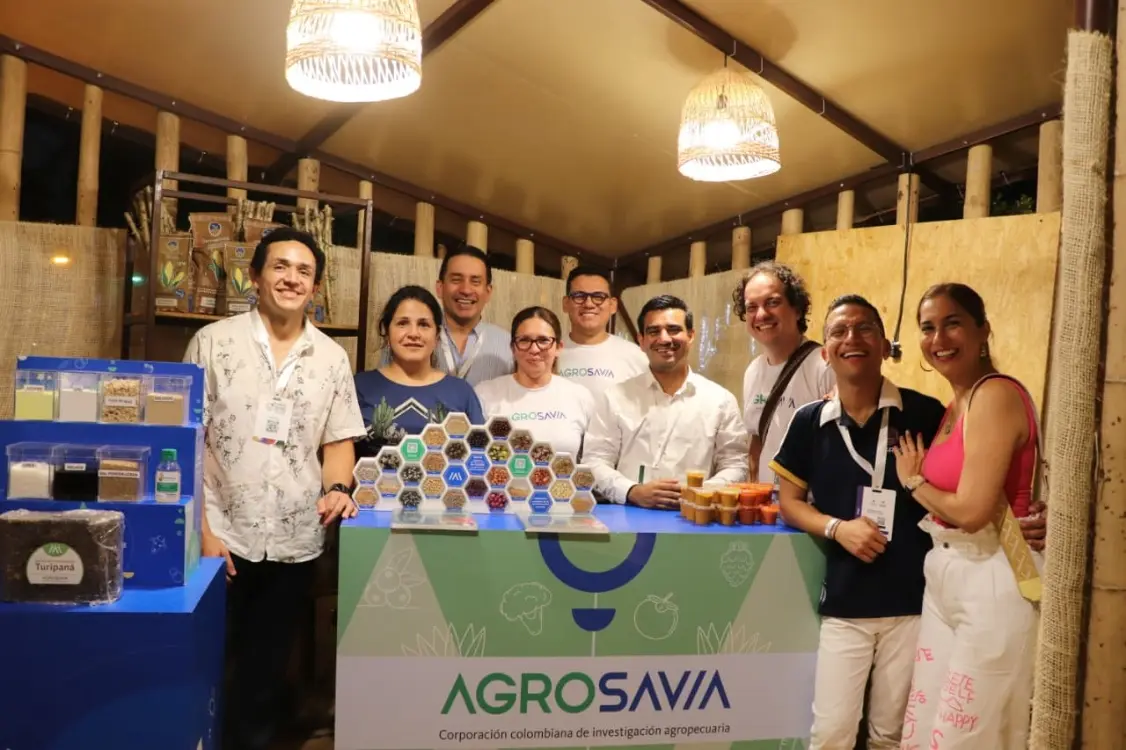
Bogotá, Capital District. March 3, 2026. Within the framework of the II International Conference on Agrarian Reform and Rural Development (ICARRD+20), held in Cartagena de Indias, AGROSAVIA carried out a comprehensive participation that integrated technology dissemination, institutional positioning, and a prominent academic agenda, reaffirming the role of public science in rural transformation.
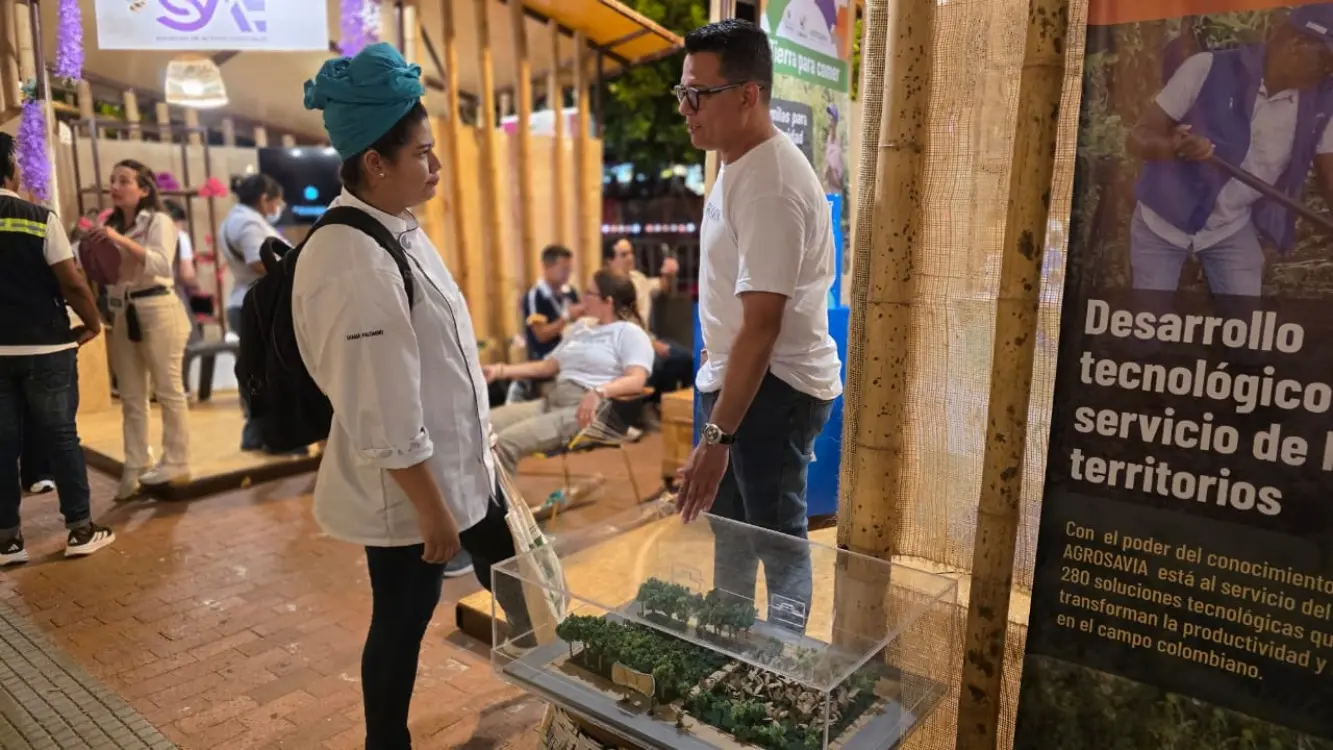
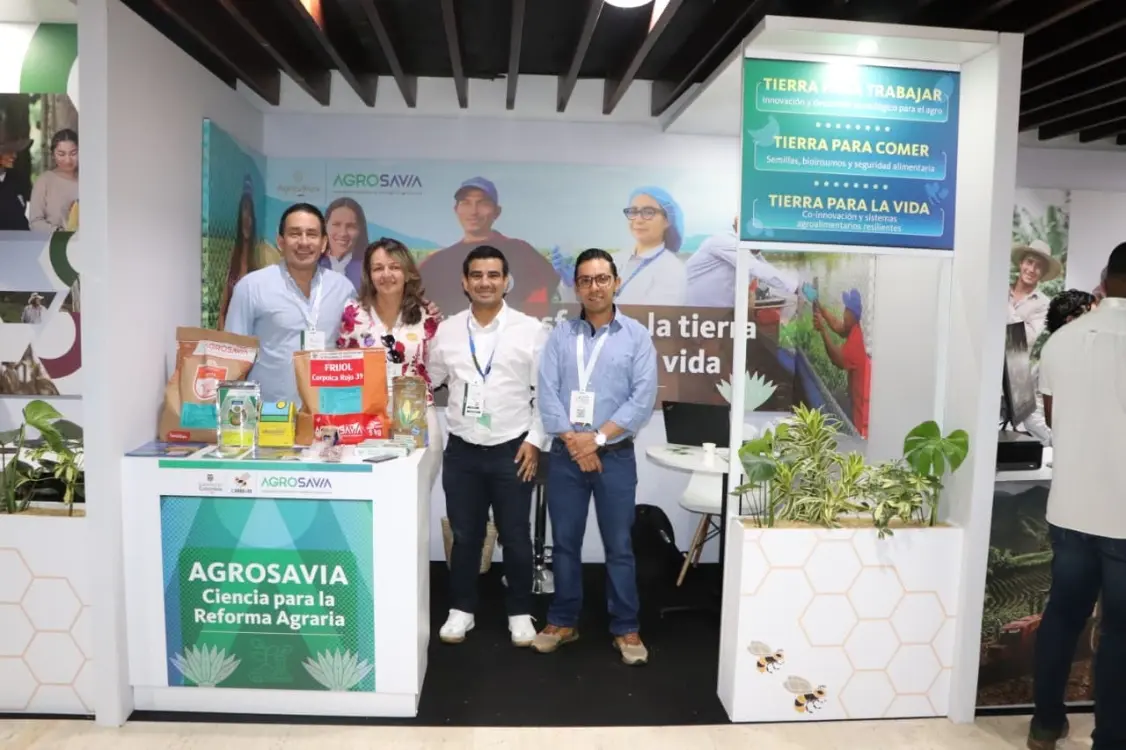
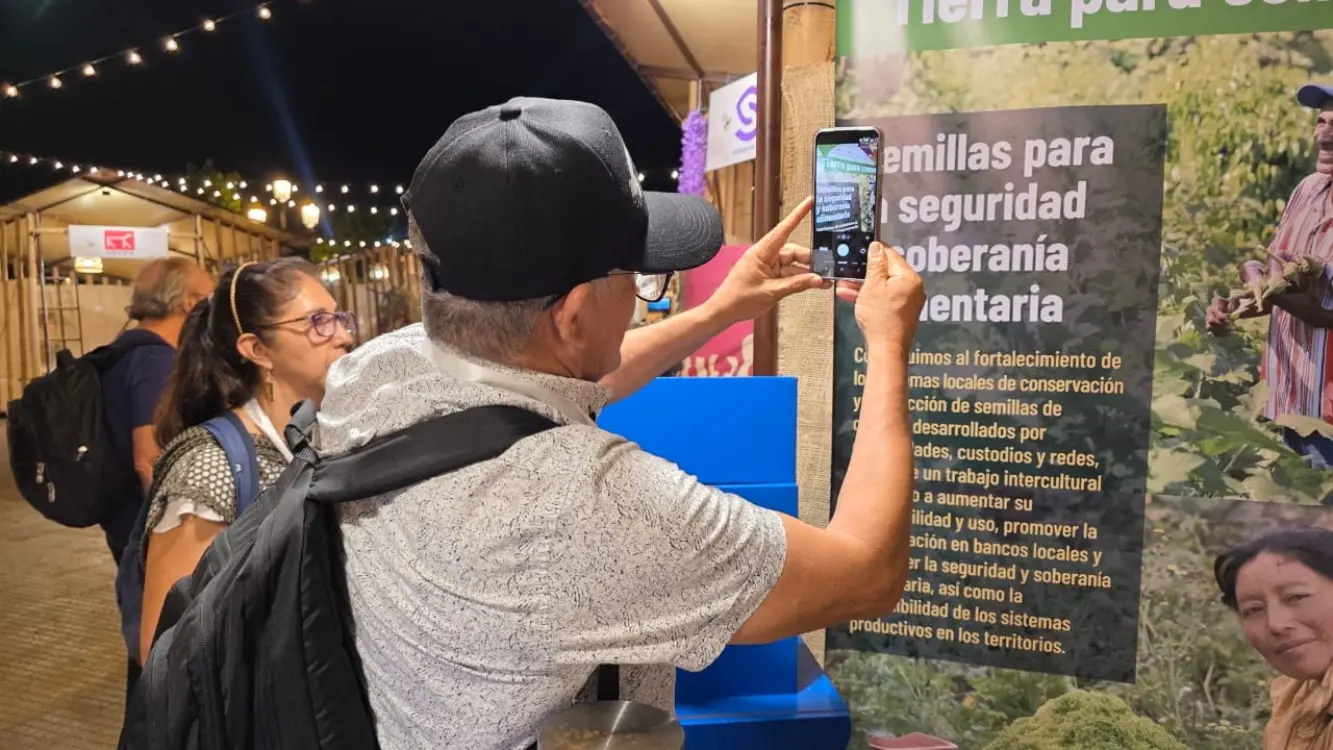
On February 24, under the theme “Land to Work,” the stand located in the “Land for All” area showcased the institution’s technological portfolio, highlighting solutions aimed at strengthening Agrarian Reform hubs, technology transfer processes, and real-life cases such as that of a producer who benefited from technology for squash (ahuyama) production with the generation of added value. At the same time, the institutional stand located at the exit point of the main auditorium hosted technical meetings with delegations and strategic stakeholders, positioning innovation and the social appropriation of knowledge as the foundation of sustainable productivity. The day created an opportunity to connect territorial experience with high-level technical dialogue.
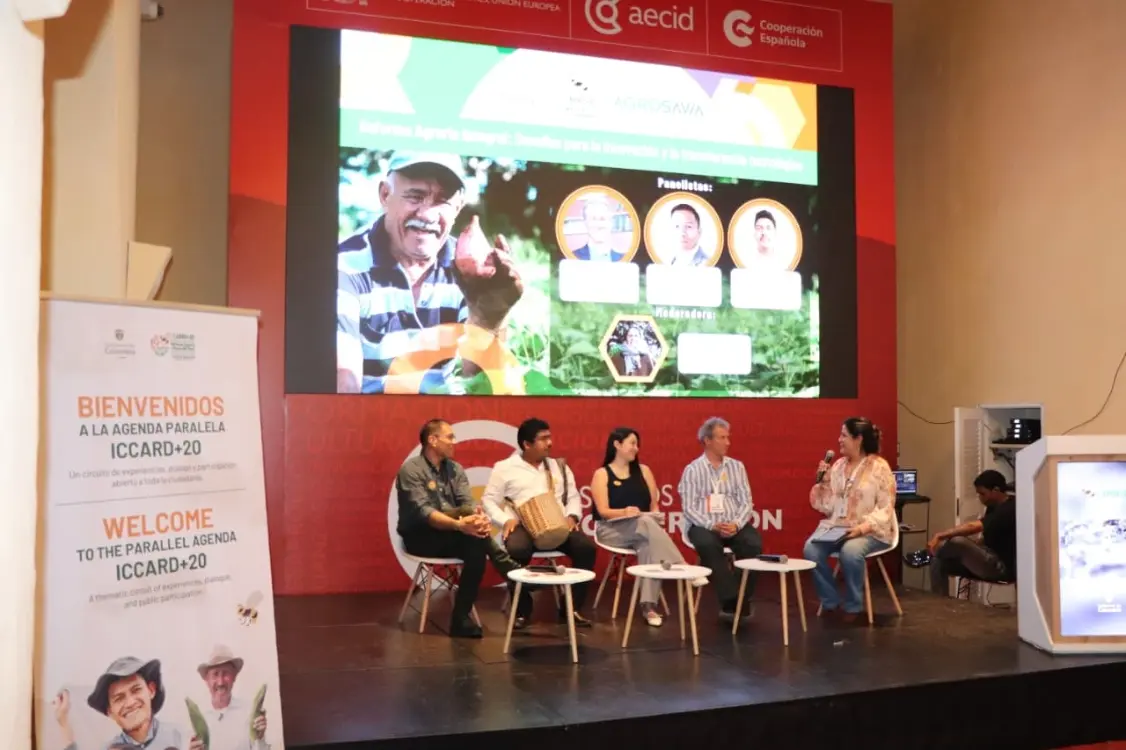
On February 25, under the theme “Land to Eat,” the stand open to the public highlighted work on quality seeds, the strengthening of the National Seed System, and the development of bioinputs as contributions to food security and food sovereignty. At the institutional stand, these same thematic areas were presented with an executive focus to decision-makers and international cooperation partners. On that same day, AGROSAVIA led the discussion forum “Comprehensive Agrarian Reform: Challenges for Innovation and Technology Transfer,” an academic space in which researchers and institutional leaders analyzed the role of science in the effective implementation of Agrarian Reform, strengthening the Corporation’s technical positioning within the official agenda of the event.
On February 26, under the theme “Land for Life,” the stand in the open area highlighted Territorial Innovation Systems (TIS) and agroecology as strategies supported by participatory research and co-innovation with rural communities. Producers involved in these processes shared experiences demonstrating territorial impact. At the institutional stand, the TIS model was explored in greater depth as a mechanism to strengthen governance, climate resilience, and sustainable development. As part of the day’s academic and diplomatic component, Miguel Serrano López, Executive Director of AGROSAVIA, participated in the Colombia–China Dialogue on land, connectivity, and rural development, a high-level space that strengthened international cooperation and enabled the exchange of experiences on agricultural innovation, sustainable land use, and productive transformation. Likewise, Juan Carlos Gallego, Director of the Palmira Research Center, took part in the panel “Territories for Life and Innovation for a Fair Use of Land,” contributing the Corporation’s scientific perspective to global debates, concluding that rural transformation occurs when research stops acting from the outside and instead integrates as an active ally within the territories.
On February 27, under the integrative concept “Land for All,” the main stand brought together technology, seeds, and agroecology into a single value proposition, presenting cases such as producers of yam and vegetables linked to territorial innovation processes. The institutional stand continued to serve as a strategic point for engagement with official delegations and multilateral organizations. As part of the day’s academic agenda, AGROSAVIA organized the panel “Transforming Rural Territories: Agroecology as a Strategy of Agrarian Reform,” consolidating its technical leadership in the international debate. That same day, Julio Ramírez, Head of the Corporation’s Seed Department, participated in the working session on ruling T-247 and in the expanded and multisectoral national roundtable on native and creole seed policy, providing technical and scientific foundations for the regulatory analysis and for the development of guidelines aimed at a more equitable governance of the country’s seed system.
Throughout the week, the simultaneous presence at both stands allowed to showcase concrete results of applied research. At the same time, the academic agenda strengthened the exchange of knowledge with national and international experts. Through this participation, AGROSAVIA reaffirms that Agrarian Reform requires not only access to land, but also access to science, innovation, and technology transfer as pillars of a more productive, equitable, and sustainable rurality.
- More information here:
- Ivan David Alba Hidalgo
- Communications, Identity and Corporate Relations Professional
- Headquarters
- Communications, Identity and Corporate Relations Advisory Office
- ialba@agrosavia.co
- AGROSAVIA