


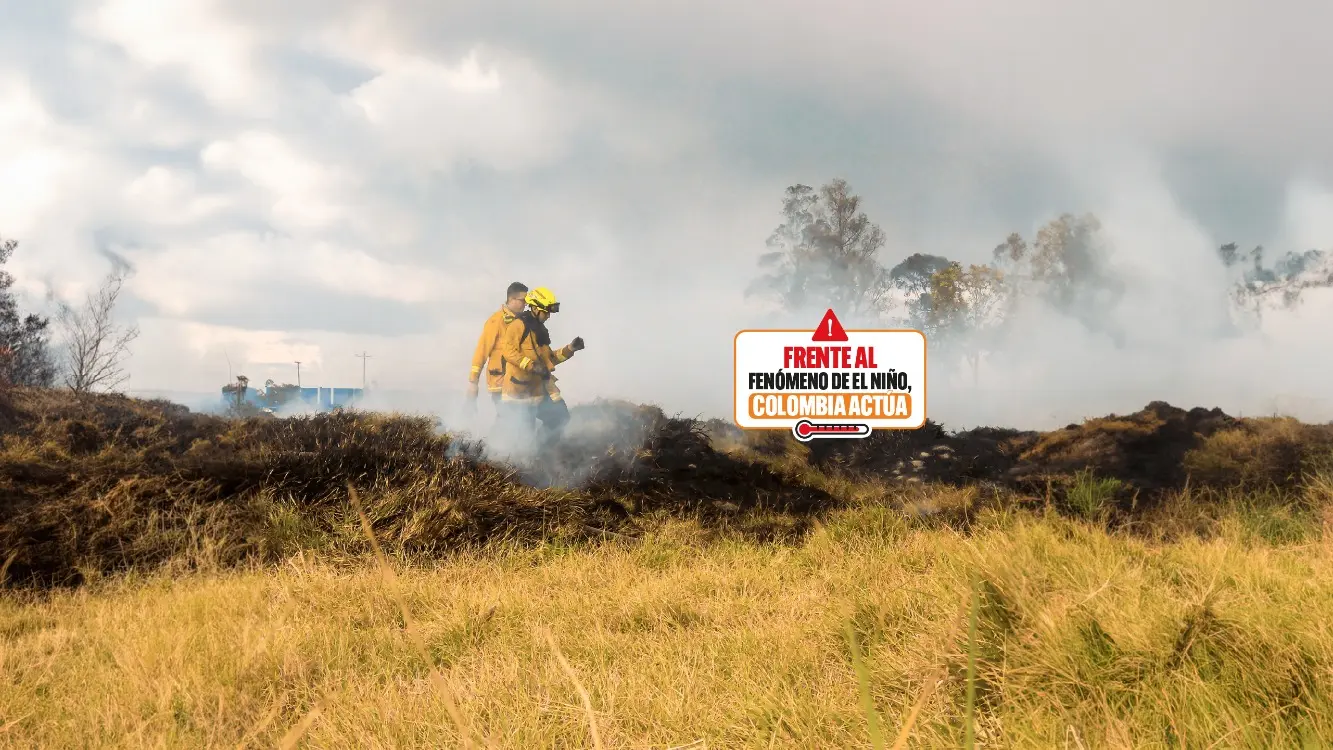
- AGROSAVIA will provide scientific information, practical recommendations, and decision-support tools to producers, technical advisors, and decision-makers to strengthen preparedness, prevention, and mitigation efforts in response to the impacts of the climate event.
Bogotá, D.C., July 22, 2026. In response to the projected intensification of the El Niño event in the second half of 2026 and its potential persistence into the first months of 2027, Corporación colombiana de investigación agropecuaria (AGROSAVIA) has launched its institutional response to the 2026–2027 El Niño event. This initiative aims to bring scientific knowledge closer to local stakeholders, enabling timely decision-making and strengthening the resilience of Colombia’s agricultural sector.
The initiative addresses the need to translate agroclimatic information into practical actions that enable producers, extension agents, producer associations, local authorities, and other stakeholders across the agricultural sector to prepare in advance for the effects of reduced rainfall, rising temperatures, and declining water availability.
Under the campaign message, "Preparing Today Protects Tomorrow’s Agriculture," the initiative will promote a culture of prevention and adaptation through technical publications, audiovisual materials, newsletters, social media content, face-to-face events, radio programs, and outreach activities across different regions of the country.
These actions will be implemented in three phases: (1) Preparedness, focused on raising awareness of potential risks and promoting anticipatory actions; (2) Response, during the El Niño event, aimed at strengthening the adaptive capacity of agricultural production systems and supporting technical decision-making; and (3) Recovery, following the event, focused on promoting strategies for rehabilitating and restoring agricultural production systems.
As part of this initiative, AGROSAVIA is making specialized technical information available to the agricultural sector, organized into six thematic areas that compile the main technical recommendations for addressing the impacts of the El Niño event:
- Efficient water resource management.
- Animal health and welfare.
- Soil health.
- Plant materials with improved adaptation to water stress conditions.
- Use of agroclimatic information systems.
- Promotion of agricultural insurance and risk management instruments.
The initiative will integrate the work of AGROSAVIA researchers, technology transfer professionals, and communication teams, who will develop tailored content based on each territory's productive and climatic conditions, strengthening support for producers and technical advisors through a territorial approach.
Key milestones include the national launch of the campaign, the regular publication of agroclimatic bulletins, the production of technical audiovisual content, the dissemination of technical recommendations through digital and community media, the organization of regional events, and continuous monitoring of the evolution of the El Niño event to adjust technical messages to changing climatic conditions.
AGROSAVIA urges agricultural producers, technical advisors, extension agents, producer organizations, agricultural associations, and local government institutions to stay informed through the Corporation’s official communication channels and to adopt technical recommendations promptly to protect crops, livestock production systems, and natural resources. Staff at AGROSAVIA’s Research and Technology Transfer Centers nationwide remain available to support territorial stakeholders by providing guidance on the Corporation’s portfolio of technologies and solutions. Stakeholders are encouraged to contact their nearest AGROSAVIA center for further information.
For technical guidance from AGROSAVIA’s National Agroclimatology Team, please contact the following researchers: Fabio Ernesto Martínez, Ph.D., Researcher (femartinez@agrosavia.co); Angela Maria Castaño, Ph.D., Researcher (amcastano@agrosavia.co); Andrés Javier Peña, Ph.D., Researcher (apena@agrosavia.co); or Gabriel Andrés Tafur, Ph.D., Researcher (gtafur@agrosavia.co).
Prevention begins before impacts occur. Actions such as storing water, protecting water sources, conserving soil cover, planning planting schedules, using regionally recommended plant materials, ensuring animal welfare, and regularly consulting agroclimatic information can make the difference between a season of significant losses and a resilient agricultural production system.
- More information here:
- Ivan David Alba Hidalgo
- Communications, Identity and Corporate Relations Professional
- Headquarters
- Communications, Identity and Corporate Relations Advisory Office
- ialba@agrosavia.co
- AGROSAVIA