


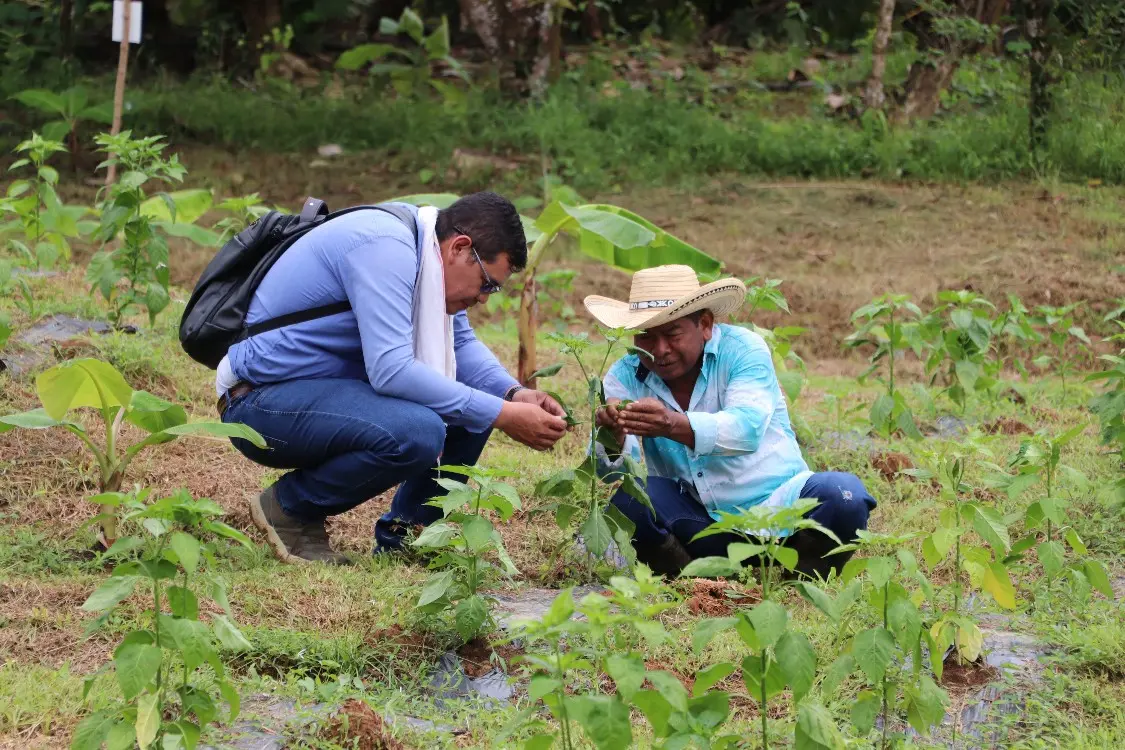
- Progress was made in a participatory process aimed at strengthening sustainable production practices in the rural territories of the department.
- Environmental, productive, and sociocultural assessments of each community were conducted to identify local conditions.
- Communities carried out experimental processes for producing organic fertilizers using local raw materials, taking advantage of agricultural residues and plant materials available on each farm.
- These actions have helped strengthen the productive and organizational capacities of farmers.
Montería, Córdoba. December 9, 2025. Through the project Implementation of Agri-Food Systems with an Agroecological Approach in the Current and Potential Peasant Reserve Zones (ZRC) of Córdoba, which is part of the National Agroecology Plan and funded by the Ministry of Agriculture and Rural Development, progress was made in a participatory process aimed at strengthening sustainable production practices in the rural territories of the department. Its execution was carried out through the Turipaná Research Center and in coordination with the Association for Peasant Development of Alto Sinú (ASODECAS, for its Spanish acronym) and the Association of Environmental Producers of Cereté and Surrounding Villages (ASOPAMCE, for its Spanish acronym).
In the case of ASODECAS, this organization promoted and led the creation of the first Peasant Reserve Zone (ZRC) in Córdoba, establishing itself as a reference in community organization, territorial defense, and the development of productive proposals aligned with local needs. Regarding ASOPAMCE, the project worked in the district of La Pozona in Cereté, where the community was a key actor in promoting diversified agri-food systems and adopting agroecological practices in this territory.
As a starting point, participatory environmental assessments were conducted to identify the environmental, productive, and sociocultural conditions of each community, allowing the design and implementation of practices tailored to the characteristics of the territory and the needs of rural families. Within this initial process, it was possible to measure the level of agroecological transition of each production unit using the Planning Instrument for Agroecological Transition at the Farm Level (IPPTA), which enabled establishing the baseline and guiding the formulation of specific action plans. These plans were built jointly with the communities and focused on strengthening practices related to diversification, sustainable soil management, agroecological pest and disease management, biodiversity conservation, and improved sovereignty.
In the participatory action-research component, “the communities developed experimental processes for producing organic fertilizers using local raw materials, taking advantage of agricultural residues and plant materials available on each farm. This strategy not only strengthened local capacities but also promoted autonomy in input production, reducing dependence on external fertilizers and improving soil health,” stated Lilibet Tordecilla, researcher at the Turipaná Research Center and Project Leader.
The implemented agri-food systems were characterized by their diversification, enabling producers to select up to ten species based on their food preferences and tastes, while also considering technical criteria such as adaptability, compatibility, crop cycle, and nutritional contribution. Under this approach, “agroforestry systems were established with cacao associated with plantain, abarco, and horticultural species such as eggplant and ají topito (AGROSAVIA Tropical material), also integrating squash as a living cover to protect the soil, conserve moisture, and support natural weed control,” added Tordecilla.
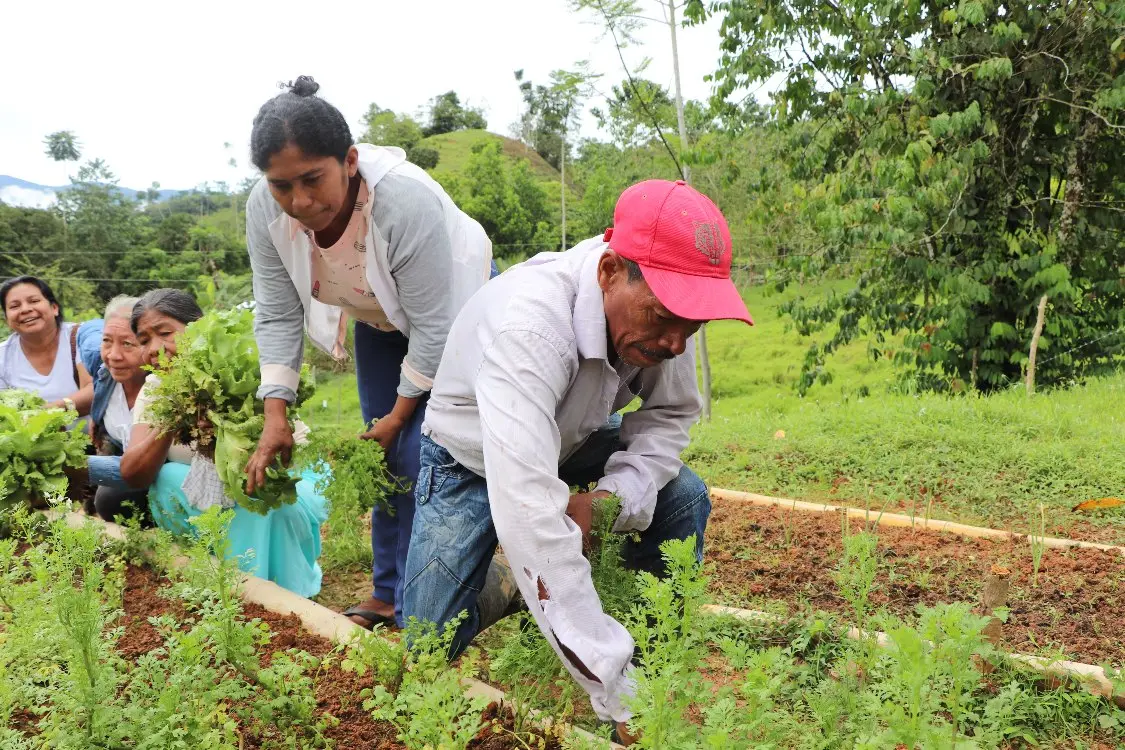
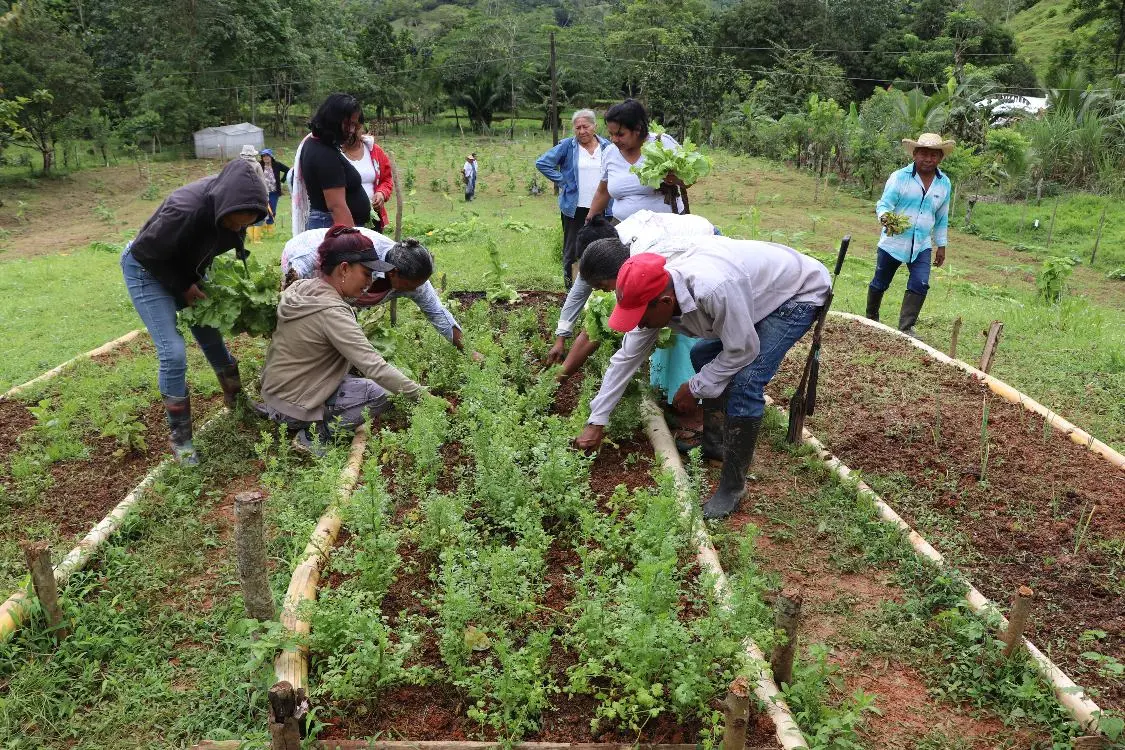
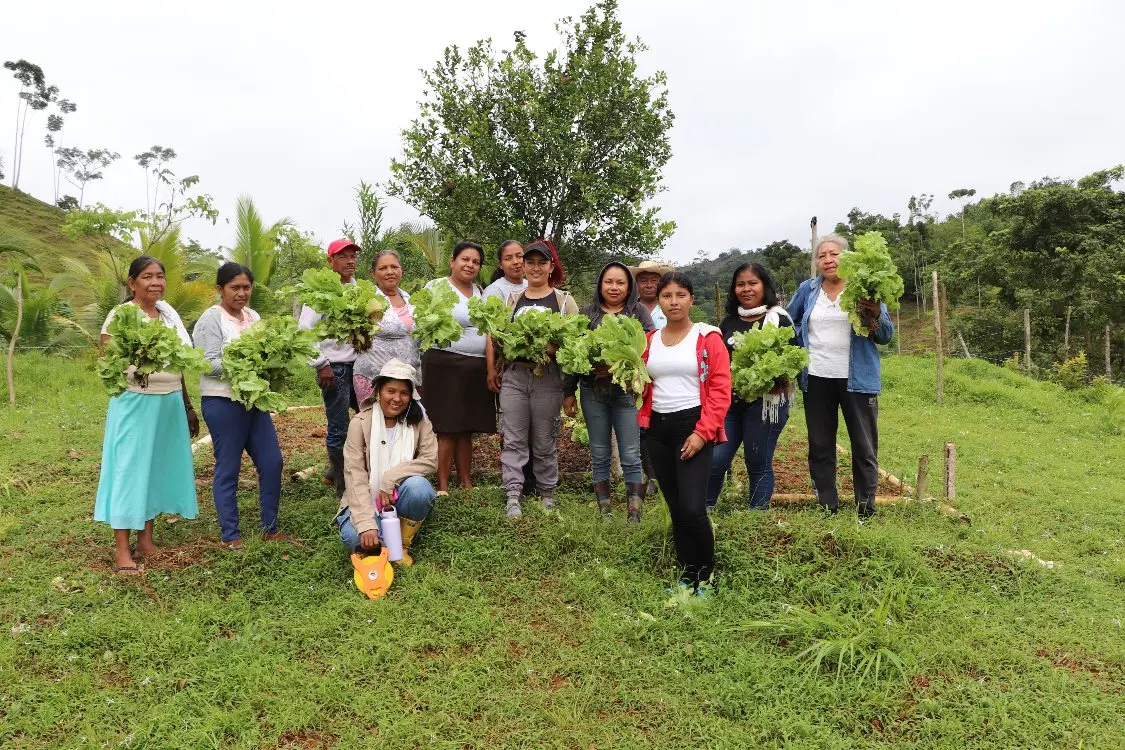
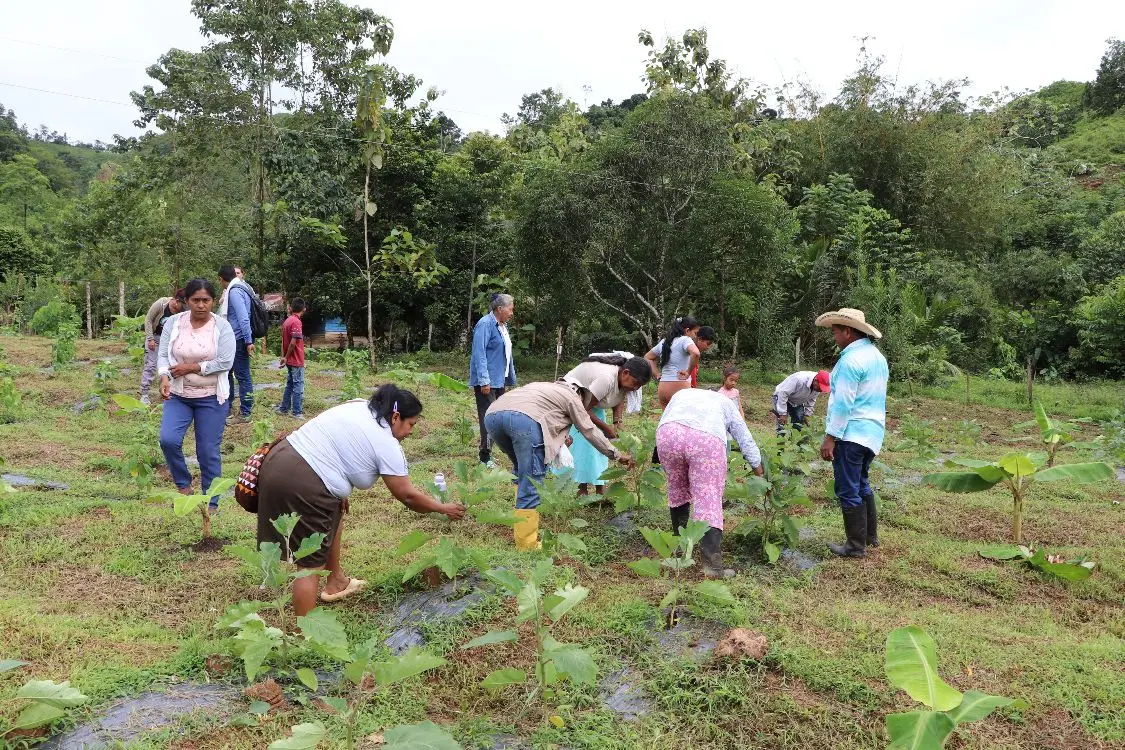
Complementarily, agroecological phytosanitary management was strengthened through the installation of physical and attractant traps, systematic monitoring, and the inventory of pests and diseases by location, which allowed risks to be anticipated and preventive management alternatives to be proposed based on system diversity. Likewise, the use of living barriers was promoted as a key strategy to mitigate wind effects, increase biodiversity, and attract beneficial insects, contributing to more resilient and sustainable systems.
Researcher Lilibet added that, within the framework of the project, seeds, seedlings, bio-inputs, materials, and tools were delivered to strengthen and ensure the continuity of agroecological processes, complemented by infrastructure such as a greenhouse for seedling production. This indicates that “these actions also strengthen producers’ technical capacities, promoting sustainable and productive practices within the community.”
Notably, training events such as workshops, field days, technical tours, and experience exchanges were held with the participation of the 40 members involved. Furthermore, producers participating in the project had the opportunity to attend the Rural Voices in Agroecology Forum, a dialogue space with partner institutions where the challenges, progress, and opportunities for strengthening agroecology in the department of Córdoba and the Caribbean region were discussed.
Taken together, these actions have strengthened the productive and organizational capacities of farmers, consolidated sustainable practices, and promoted diversified systems that contribute to food security and resilience to climate variability.
- More information here:
- Liseth Cárdenas
- Communications, Identity and Corporate Relations Professional
- Research Center Turipaná
- Communications, Identity and Corporate Relations Advisory Office
- ljcardenas@agrosavia.co
- AGROSAVIA