


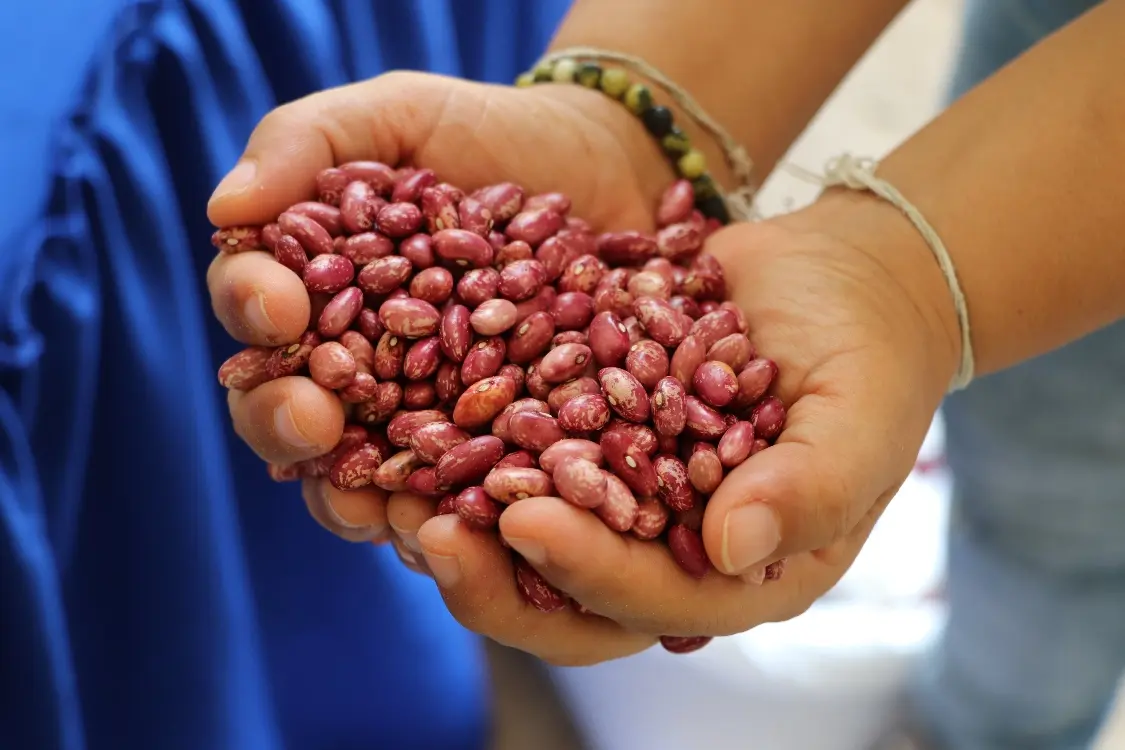
- El Carmen de Bolívar became an ideal site for the early evaluation of the acceptance of bean cultivars currently undergoing registration.
- Due to the cold front, climate-resilient beans experienced contrasting water stress, shifting from extreme drought during flowering and pod filling to rainfall above the historical average starting at the physiological maturity of the pod.
- Promising common bean genotypes surpassed the regional yields of 0.8 t/ha reported for the species in hillside areas, reaching 1.2 t/ha along with large seed size.
Montería, Córdoba. March 31, 2026. From the El Carmen de Bolívar research station, part of the project entitled: “Development of Varieties for Commercial or Smallholder Use of Drought-tolerant Beans under Sustainable Production Systems in the Colombian Caribbean” is being carried out. This project is funded by the Cooperation Initiative for Food and Agriculture between Korea and Latin America (KolFACI) and implemented by AGROSAVIA. Its objective is to identify at least one bean cultivar with high tolerance to drought and elevated temperatures (24°C at night, 800 kg/ha) under water supply below 540 mm throughout the production cycle.
Given that the Montes de María region requires production diversification to nutritionally complement yam, cassava, and other tubers with beans of high nutritional value and desirable grain market traits, “El Carmen de Bolívar became an ideal hub for the early evaluation of cultivar acceptance among producers of other semiannual and annual crops who have experienced declining productivity due to soil degradation,” stated Sergio Luis Mejía Kerguelén, Director of the Turipaná Research Center.
Within the same production cycle, climate-resilient beans were subjected to contrasting water stresses, ranging from extreme drought during flowering and pod filling to rainfall exceeding historical averages from the physiological maturity stage of the pod, driven by a cold front. As a result, the germplasm's resilience to regional climate variability and change was confirmed. According to Adriana Patricia Tofiño Rivera, Ph.D. Researcher at AGROSAVIA, “the top-performing genotypes DAA3336 and DAB 295 may serve as an alternative for restoring productivity among those affected by the Caribbean cold front. In this regard, crop rotation with beans is ideal for restoring and maintaining soil productive capacity over time.”
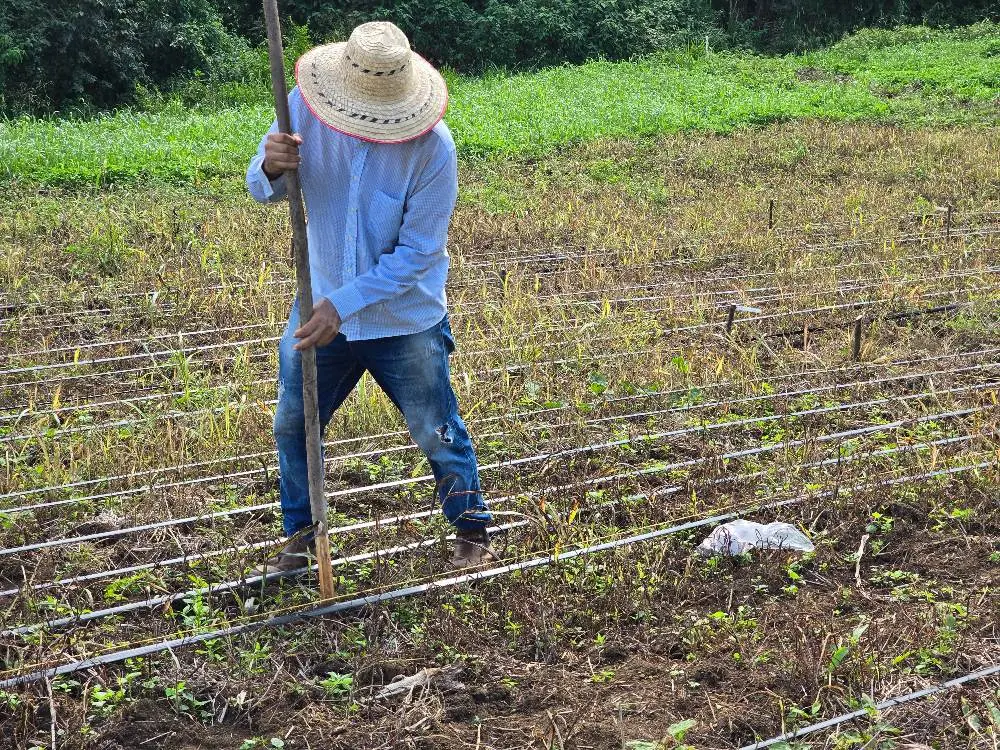
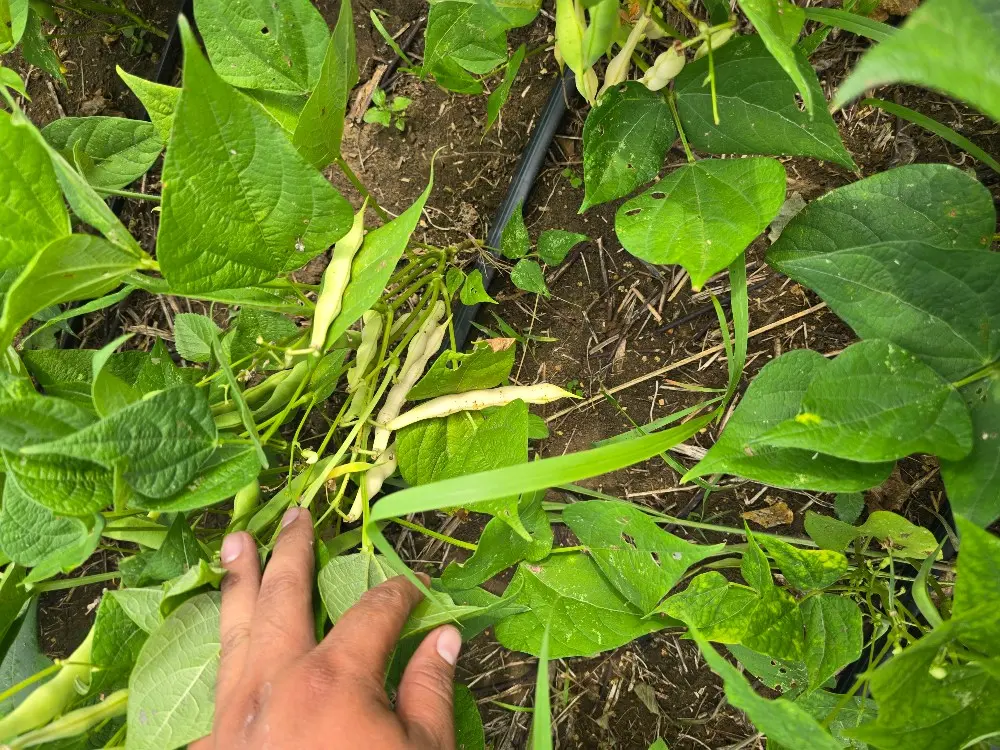
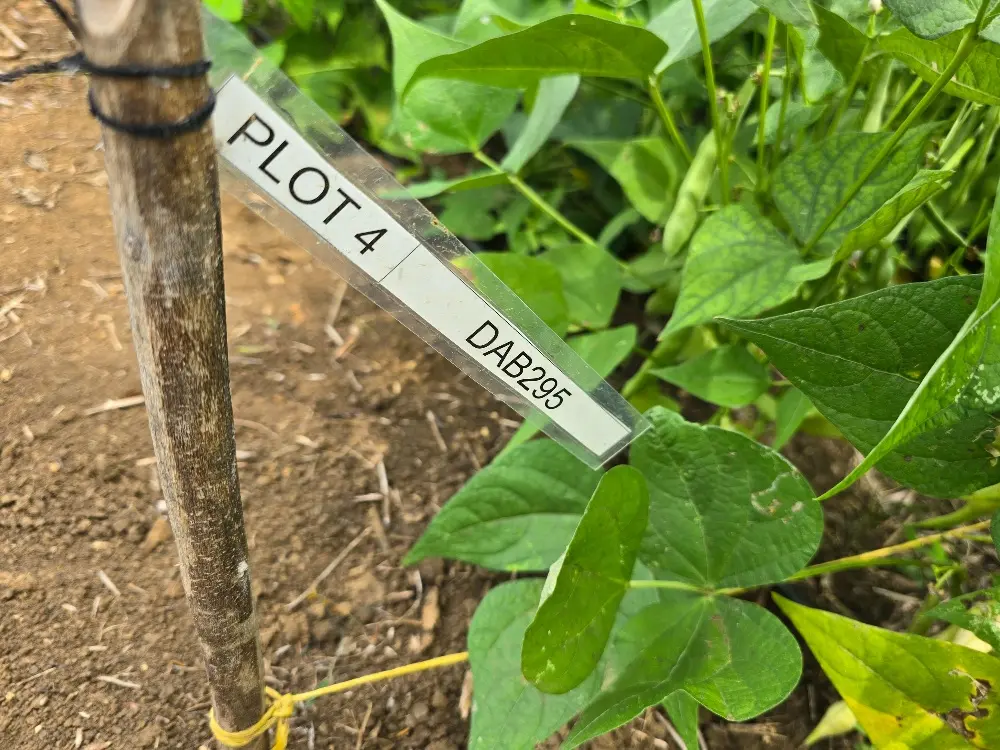
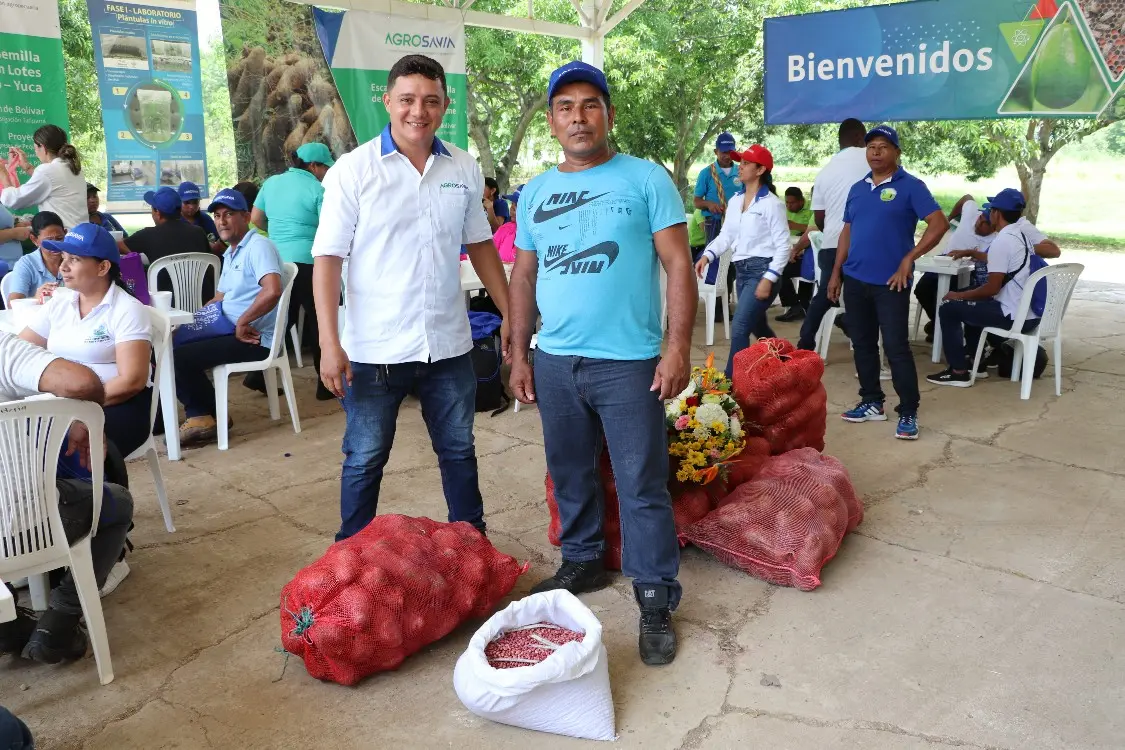
Despite the impact of the cold front, the Agronomic Evaluation Trials (PEAs) registered with ICA were successfully completed in the municipalities of El Molino and Villanueva in La Guajira, as well as El Carmen de Bolívar and Ovejas in Sucre. In these plots, promising common bean genotypes exceeded the regional yields of 0.8 t/ha recorded for the species in hillside areas, achieving 1.2 t/ha and large seed size. “It is worth noting that this would be the first bean variety registered in Colombia for life zones below 500 meters above sea level, with tolerance to drought and rainfall occurring near harvest periods, which are critical for bean quality. This trait makes them ideal for restoring production among those affected by the cold front in the Caribbean”, commented Hernando Araujo, M.Sc. Researcher at AGROSAVIA.
Tofiño added: “Based on the results of this project, there is a before-and-after scenario regarding suitable life zones for bean cultivation in the Colombian Caribbean, since, in general, common bean (Phaseolus vulgaris L.) is profitable in the region when grown above 700 meters above sea level. When this crop is established in valley, savanna, and foothill zones, it does not produce sufficient pods or grains of adequate commercial quality.”
Similarly, the El Carmen de Bolívar station was one of the locations registered with ICA for the Agronomic Evaluation Trial (PEA) during the period from November 2025 to February 2026. This activity is required for the approval of the first bean cultivar in Colombia for the Low Tropics. According to researcher Araujo, seed samples of elite common bean genotypes tolerant to climate variability have been distributed to approximately 250 Caribbean producers involved in early adoption processes of short-cycle and annual crops such as sesame, yam, cassava, and malanga, to assess their early acceptance in flatlands and foothill areas of the Caribbean. He added that “the distribution of seed samples is part of participatory strategies accompanying the release of a new bean variety currently under registration with ICA. This registration is the main outcome of the project.”
- More information here:
- Liseth Cárdenas
- Communications, Identity and Corporate Relations Professional
- Research Center Turipaná
- Communications, Identity and Corporate Relations Advisory Office
- ljcardenas@agrosavia.co
- AGROSAVIA