

- Community collaboration and water governance are making steady progress in Colombia and Peru thanks to the project “Strengthening Strategic Alliances to Foster the Creation of Hydrosocial Territories,” an initiative funded by the Spanish Agency for International Development Cooperation (AECID, for its Spanish acronym), carried out by AGROSAVIA in partnership with INIA (Peru), the Presidential Agency for International Cooperation of Colombia (APC, for its Spanish acronym), and the New Water Culture Foundation (FNCA, for its Spanish acronym).
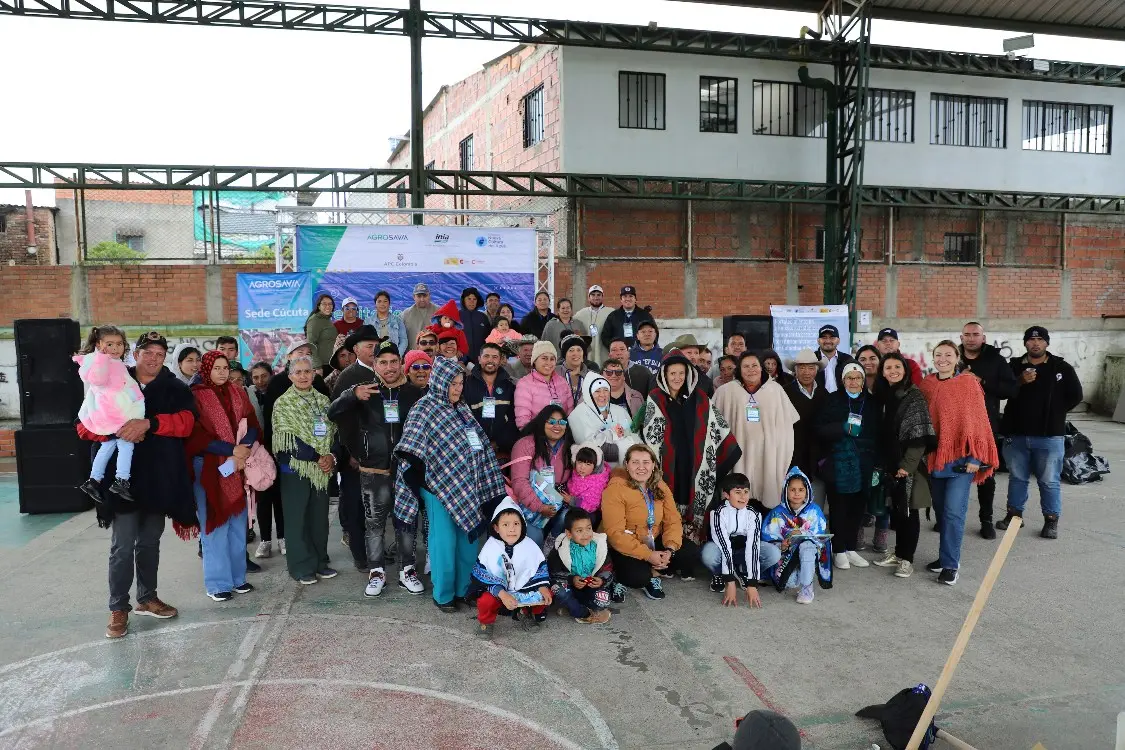
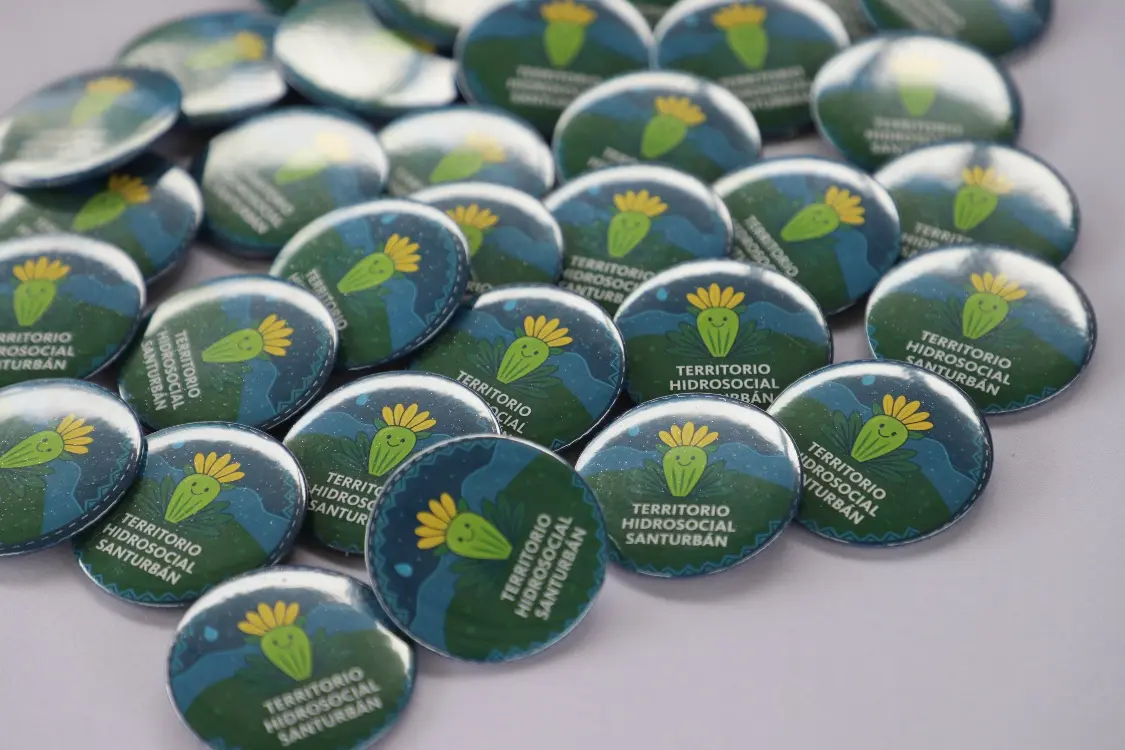
Bucaramanga, Santander. November 24, 2025. From the La Suiza – Cúcuta Headquarters, Turipaná (Córdoba), and Tibaitatá (Cundinamarca) Research Centers, Corporación colombiana de investigación agropecuaria AGROSAVIA, has supported a binational process that has taken root in four territories: Santurbán (Silos and Mutiscua) and La Mojana (Guaranda and Majagual) in Colombia; and Suyto Orco and Pariahuanca in Peru. In Colombia, 150 producers participate continuously in meetings and training spaces, and more than 400 people have taken part in expanded activities for dialogue and co-creation within the project.
Although each region has different production systems, the project does not directly intervene in these systems. Instead, it strengthens sustainable water management as a cross-cutting axis for all territorial activities. The focus is on community processes, the analysis of water dynamics, and the collective construction of capacities, recognizing that water governance influences and is influenced by the productive activities of each area.
The concept of hydrosocial territory, as defined by Boelens, is a central component of the project that understands water as part of a network in which social actors, ecosystems, infrastructures, institutions, and discourses interact, enabling the development of management models that are more fair, sustainable, and adapted to local realities. This approach is especially relevant in a context marked by climate change, pressure on ecosystems, and conflicts over water access in both countries.

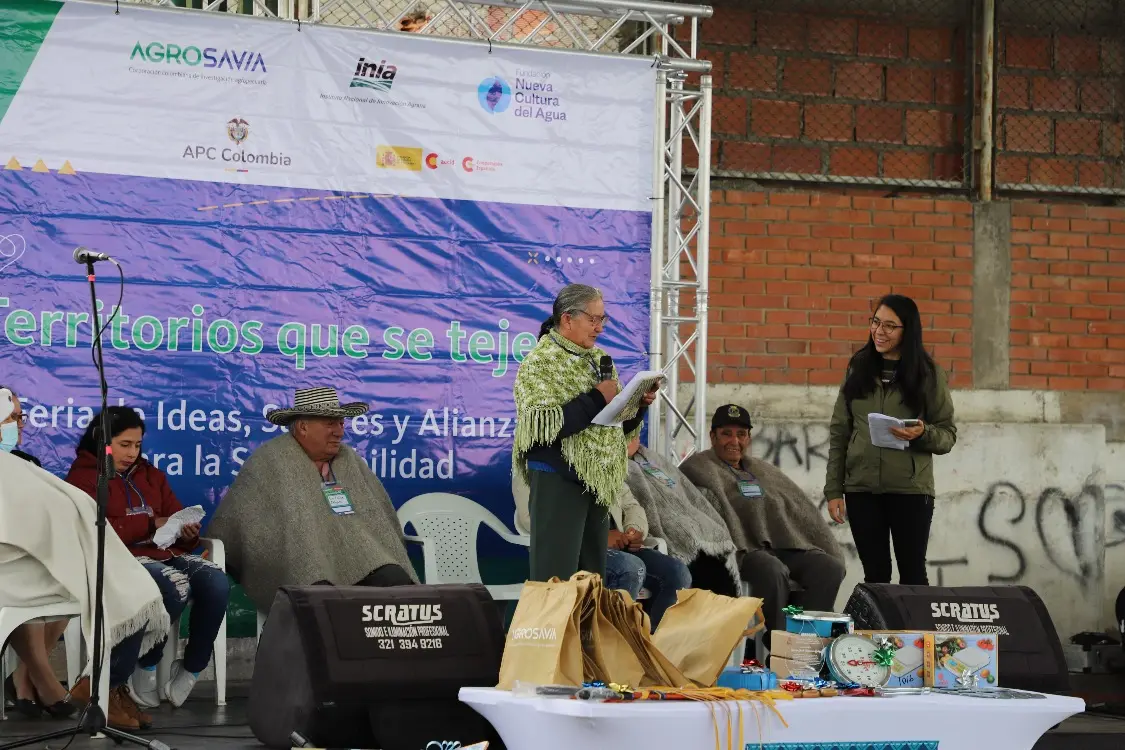
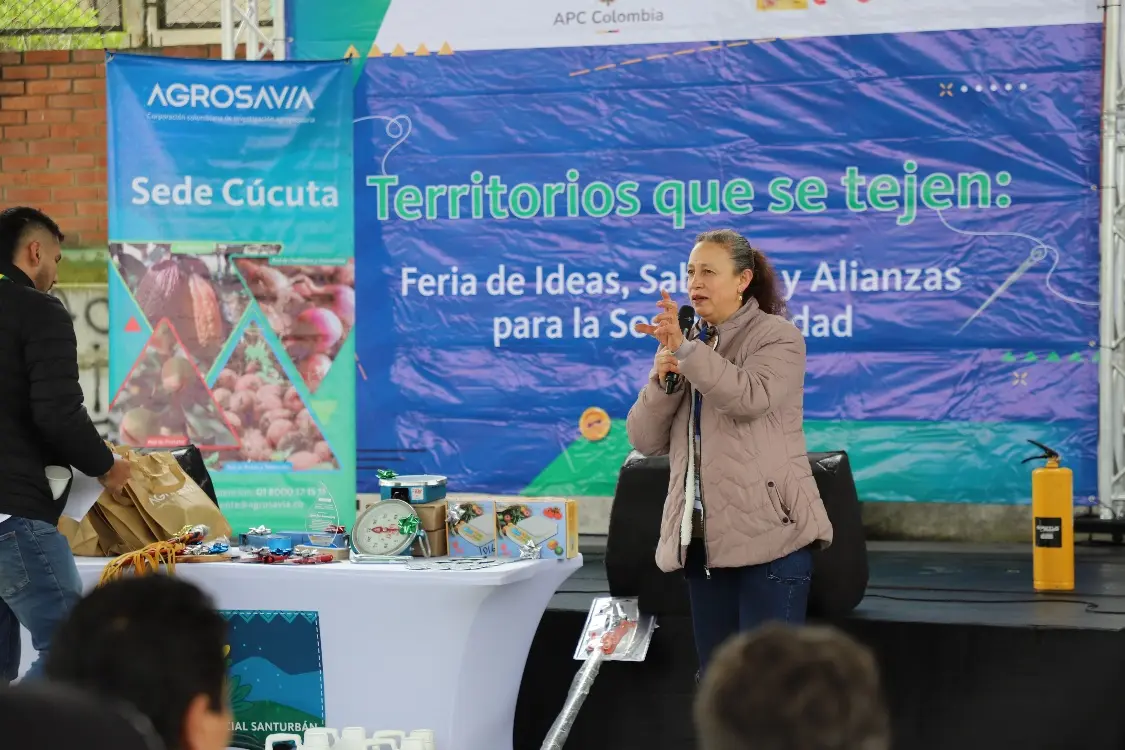

Alexandra Estefanía Fajardo Rojas, AGROSAVIA’s researcher and leader of this project, stated that among the most significant results at this stage is the consolidation of core groups within communities committed to the process and willing to implement collective water management actions. She also added that “This progress reflects the impact of the project on its main objective, which is to strengthen local water governance, improve coordination among stakeholders, and facilitate more fair, informed, and sustainable agreements. This helps address challenges such as unequal water distribution and the lack of shared responsibility in its management.”
Recently, the project’s research team carried out an internship in Spain under the guidance and support of the New Water Culture Foundation (FNCA), which enabled learning from water management experiences in territories such as the Pyrenees, the Ebro Valley, Terrassa, Toledo, and Catalonia. From these contexts, the project aims to adapt lessons related to participatory public governance, multi-actor mediation, river restoration, hydrological planning, and nature-based solutions for the integrated management of hydrosocial territories in Colombia and Peru.
From AGROSAVIA, the lead researcher concludes that this project is built with and for the communities, reaffirming the Corporation’s commitment to accompany, facilitate, and strengthen territorial processes, to recognize local knowledge and promote research that listens to and works hand in hand with those who inhabit and care for their territories.
- More information here:
- Silvia Florez Morales
- Communications, Identity and Corporate Relations Professional
- Research Center La Suiza
- Communications, Identity and Corporate Relations Advisory Office
- sflorez@agrosavia.co
- AGROSAVIA