


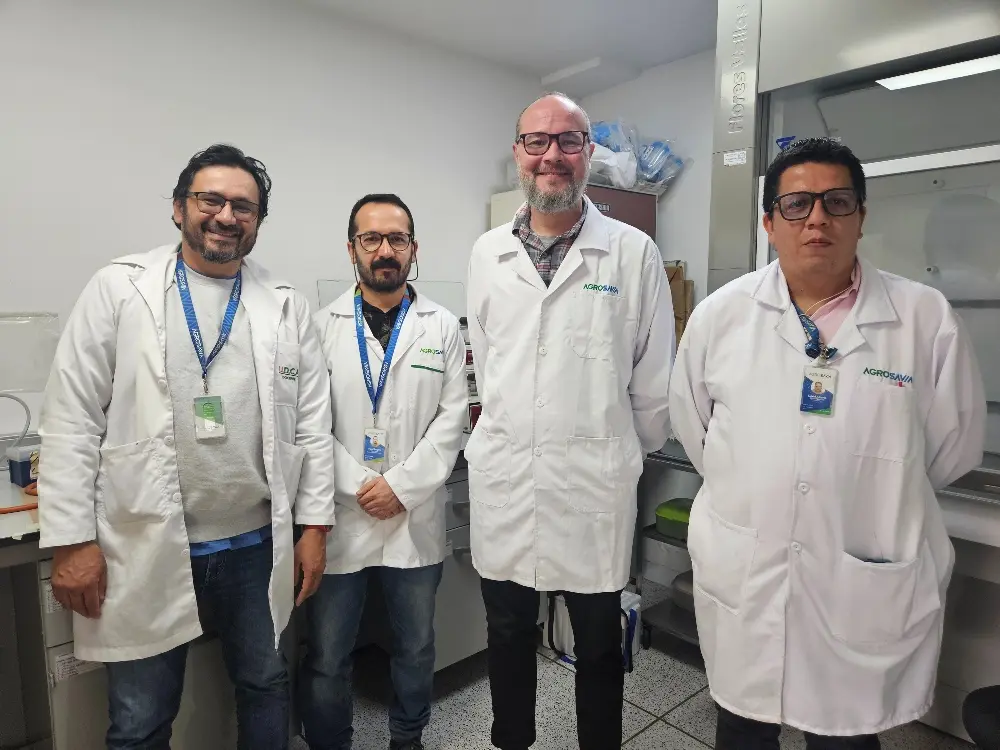
- The visit of FAO specialist consultant Guilherme Klafke to the Tibaitatá Research Center supports AGROSAVIA’s participation in a global multicenter project that seeks to harmonize diagnostic techniques for acaricide resistance. The initiative will bring practical solutions for Colombian cattle farmers and strengthen animal health in the country and the region.
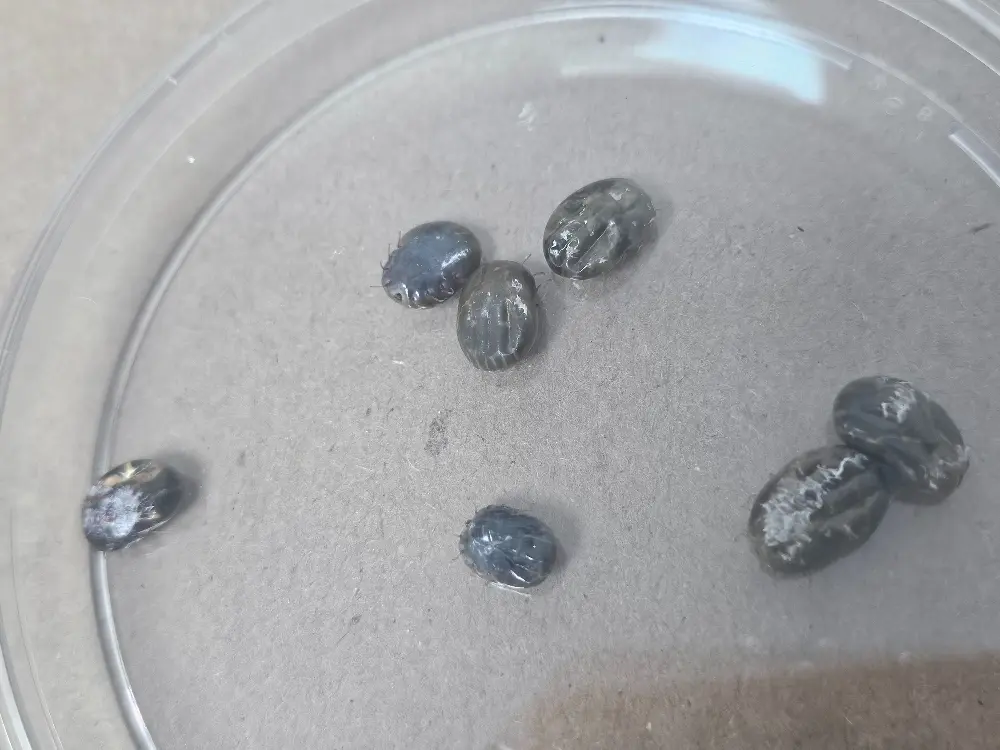
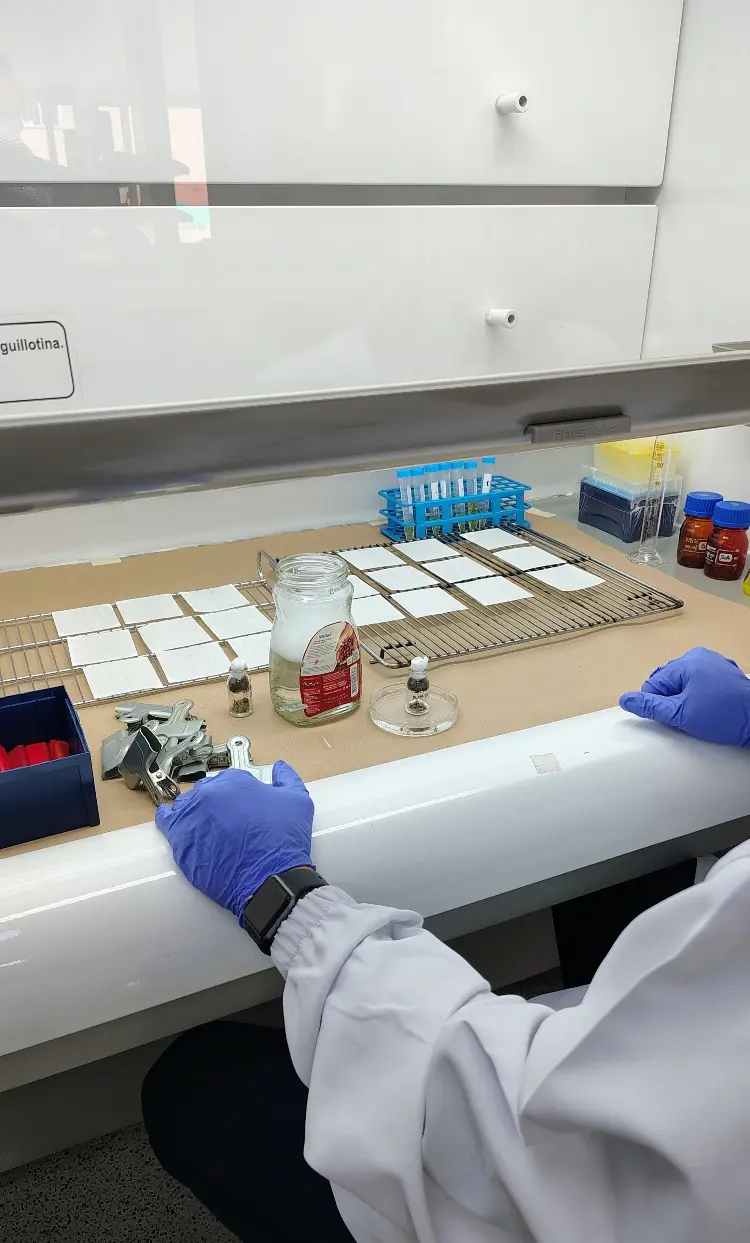
Mosquera, Cundinamarca. December 4, 2025. With the purpose of strengthening Colombian livestock production and contributing to the global management of acaricide resistance, AGROSAVIA is participating in the FAO Multicenter Study for the harmonization and validation of discriminating doses (DD) for detecting resistance in Rhipicephalus (Boophilus) spp. using the Larval Packet Test (LPT). This initiative will allow the standardization of data and methodologies among laboratories in Latin America, North America, Africa, and Asia-Pacific, and will position the Livestock Microbiology and Animal Health Laboratory of the Tibaitatá Research Center as the reference laboratory for Colombia.
According to Gabriel Andrés Tafur Gómez, Ph.D. Researcher at Tibaitatá, the project aims to generate harmonized and reproducible bioassays that reduce variability among laboratories, evaluate technical consistency, and establish reliable discriminating doses for diagnosing resistance in the common cattle tick. “This will guarantee internationally comparable results, a key aspect considering cross-border animal trade and the global circulation of acaricide products,” Tafur noted.
A key visit for the country
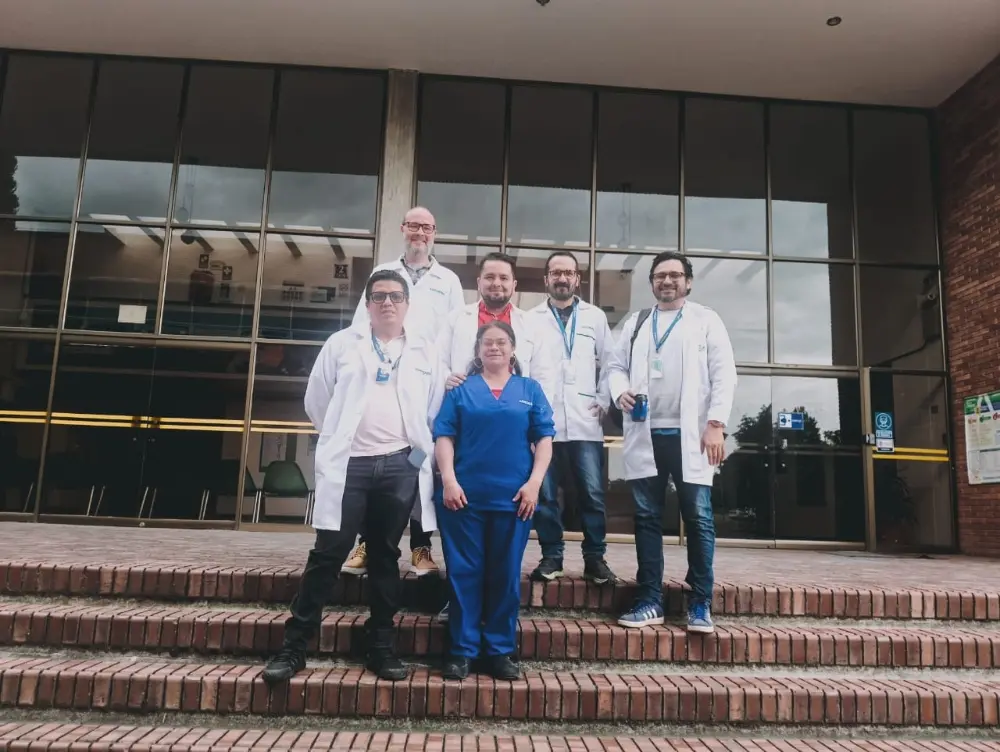
As part of this initiative, AGROSAVIA received the visit of Guilherme Klafke, renowned parasitologist, lead researcher at the Desidério Finamor Veterinary Research Institute (Brazil), and FAO Specialist Consultant on acaricide resistance. Klafke, with more than 70 scientific publications and extensive experience in tick surveillance, visited the Tibaitatá Research Center to verify the institution’s technical capacity, confirm compliance with the project’s international standards, and evaluate AGROSAVIA’s potential to meet national and regional demands.
“The visit allowed confirming the laboratory’s readiness to take on the role of reference center in Colombia and to support countries in the Andean and Caribbean regions,” added Tafur.
During Guilherme Klafke’s visit to Tibaitatá, AGROSAVIA held the hybrid event Tick control in Colombia and Brazil: acaricide resistance and public health impact, an academic forum that brought together national and international experts to analyze progress and challenges in managing this issue. The full recording of the event is available to the public and can be accessed at the following link: https://www.youtube.com/watch?v=eKft5klTZtY
Harmonizing to move forward
Unifying antiacaricide resistance detection techniques is essential to generate reliable diagnoses in a context where animal mobility and international trade facilitate the spread of resistant ticks. According to Tafur, having common guidelines will enable the design of control strategies that can be easily transferred to producers, directly impacting the productivity and sustainability of livestock systems.
The main activities of the project include:
- Quantifying bioassay variability between laboratories and strains.
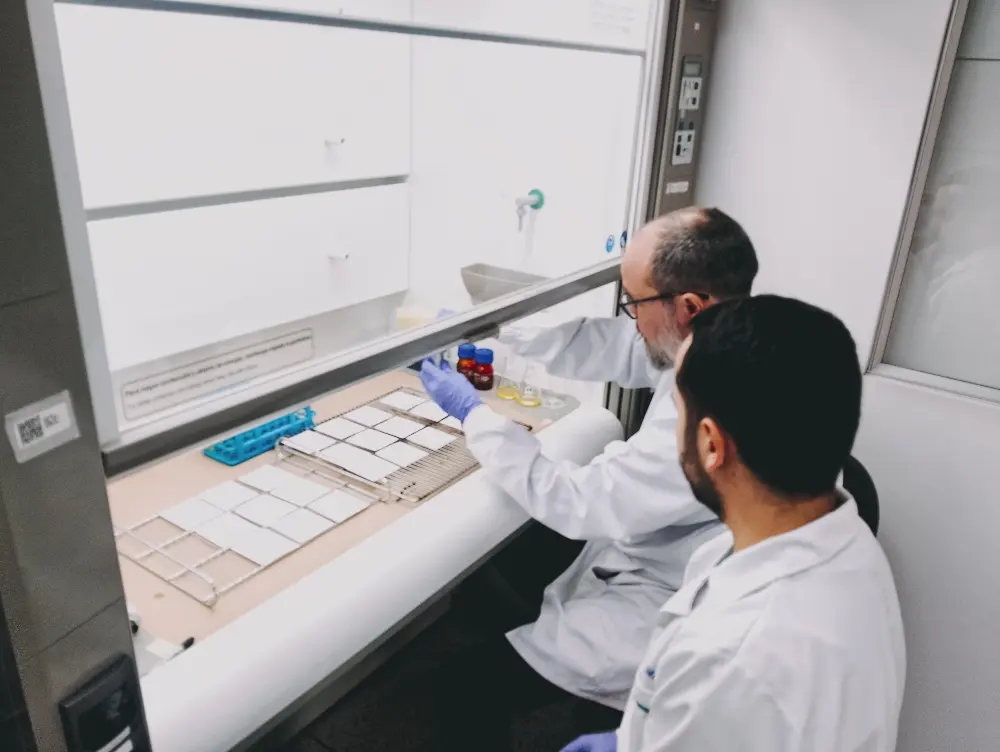
- Evaluating consistency in larval packet preparation.
- Establishing and validating DD as reference thresholds for Colombia.
- Generating a technological offering that includes resistance diagnosis, training, and specialized services for the sector.
Direct benefits for cattle farmers and the population
The results of the project will provide producers with practical tools to make informed decisions on resistance management, including:
- Proper rotation of acaricides.
- Selective use of treatments only in animals that require them.
- Reduction in the use of ineffective and non-recommended products.
- Correct application of doses and sanitary records per animal and per farm.
- Increased safety and quality of animal-derived products.
For Tafur, “all of this will help delay the emergence of resistance, improve producers’ economic outcomes, and ensure safer food for consumers.”
Through its participation in this international project, AGROSAVIA strengthens its scientific leadership in animal health and consolidates itself as a reference in the diagnosis and management of tick resistance—a challenge that decisively impacts livestock productivity and the sustainability of the sector in Colombia and around the world.
- More information here:
- María Elena Londoño Rubio
- Communications, Identity and Corporate Relations Professional
- Research Center Tibaitatá
- Communications, Identity and Corporate Relations Advisory Office
- melondono@agrosavia.co
- AGROSAVIA