


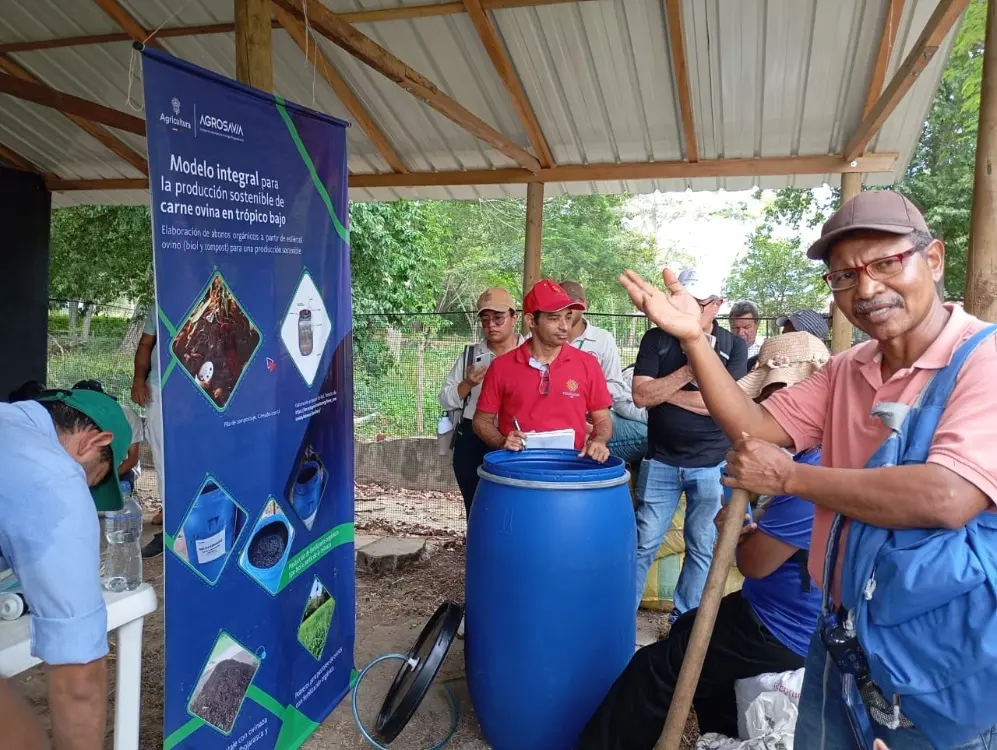
Agustín Codazzi, Cesar. December 10, 2025. Within the framework of corporate goals and results, the blended course Rural Promoters for the Sustainable Production of Sheep and Goats in the Caribbean was carried out during 2025 under the project Comprehensive Model for the Sustainable Production of Sheep Meat in Lowland Tropics. Considering the current importance of prioritized actors in the territory as users and promoters of technological offerings, the pedagogical structure of the blended course was designed through collaborative work with the Corporation’s Technology Transfer and Appropriation Coordination. This first cohort was implemented in three locations: Carmen de Bolívar (Montes de María), the northern area of the department of Cesar, and the Wayuu Provincial Indigenous Reservation in Barrancas, La Guajira.
The 40-hour curriculum was designed for male and female producers and extension agents associated with the sheep–goat production system who want to begin or continue their process as promoters of agroecological practices, the production of biofertilizers, and the promotion of bio-inputs in their territories. The course was led from the Motilonia Research Center by researcher Clara Viviana Rua Bustamante, in collaboration with researcher Luis Fernando Gómez Ramírez, research support professional Guillermo Garay Oyola, and technology transfer professional María Gregoria Ledezma Barboza. From the Carmen de Bolívar office, Turipaná Research Center, researcher Emiro Suarez Paternina supported the initiative, as did Pedro David Suarez Villota from the central office.
The general objective of the course is to strengthen the capacities of male and female promoters to lead sustainable sheep and goat production processes in the Caribbean region through the development of knowledge, skills, and agroecological practices that improve productivity, animal welfare, and environmental conservation. The program includes four modules: 1) Sustainable agricultural production; 2) General management of sheep and goat herds under the concept of sustainability; 3) Utilization of residual biomass; and 4) Integrated soil management for the production of forages and feed for small ruminants.
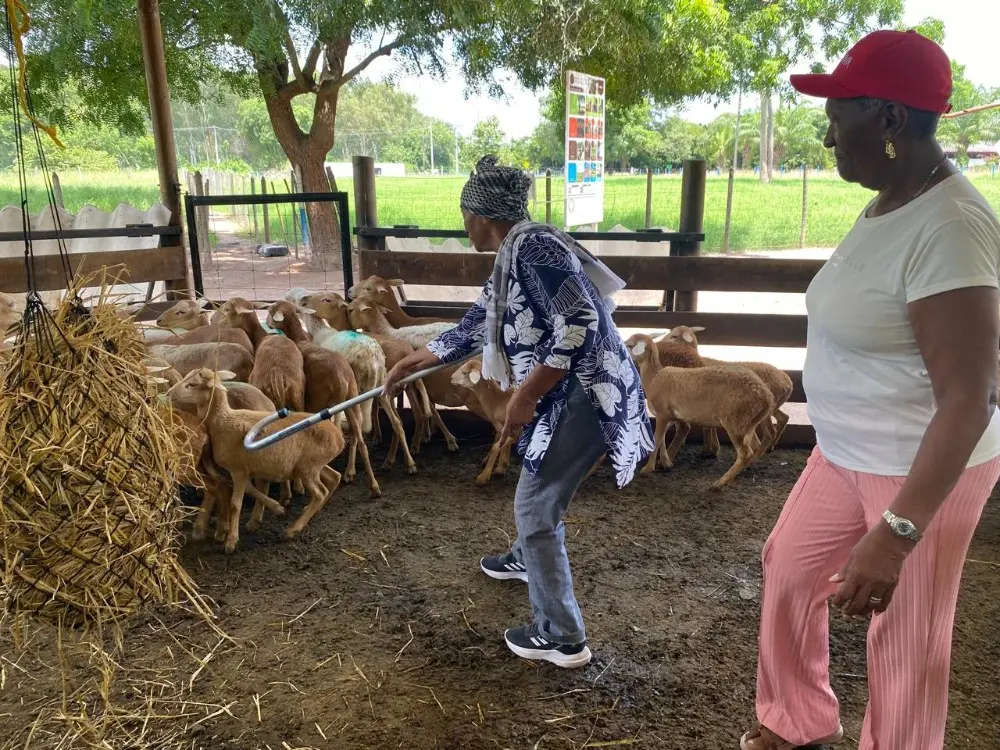
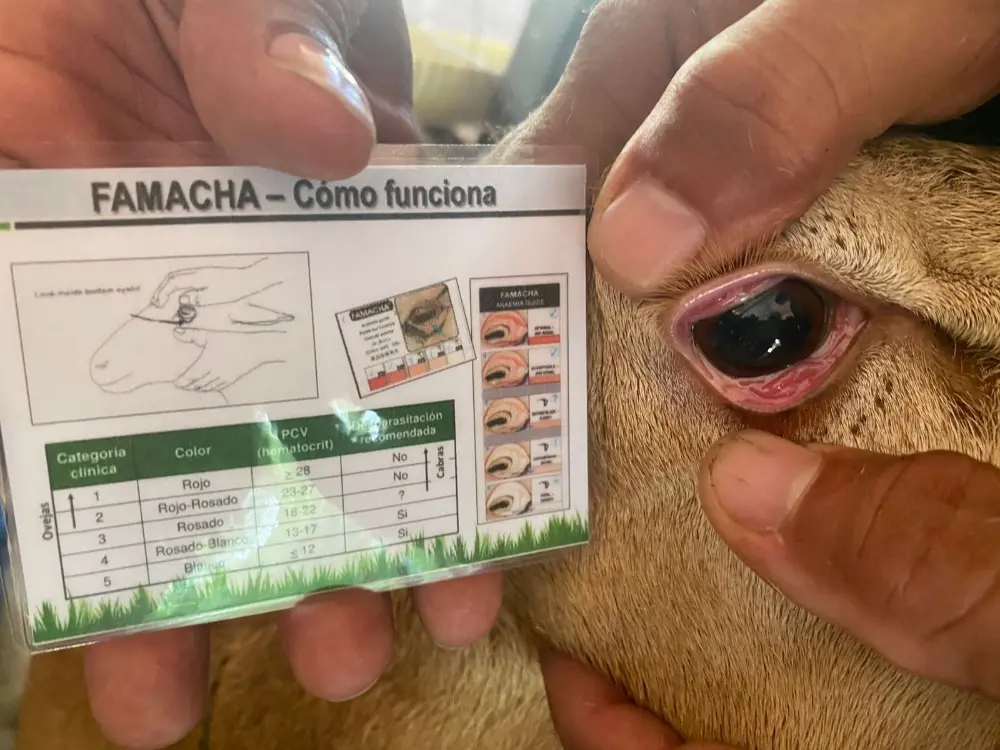
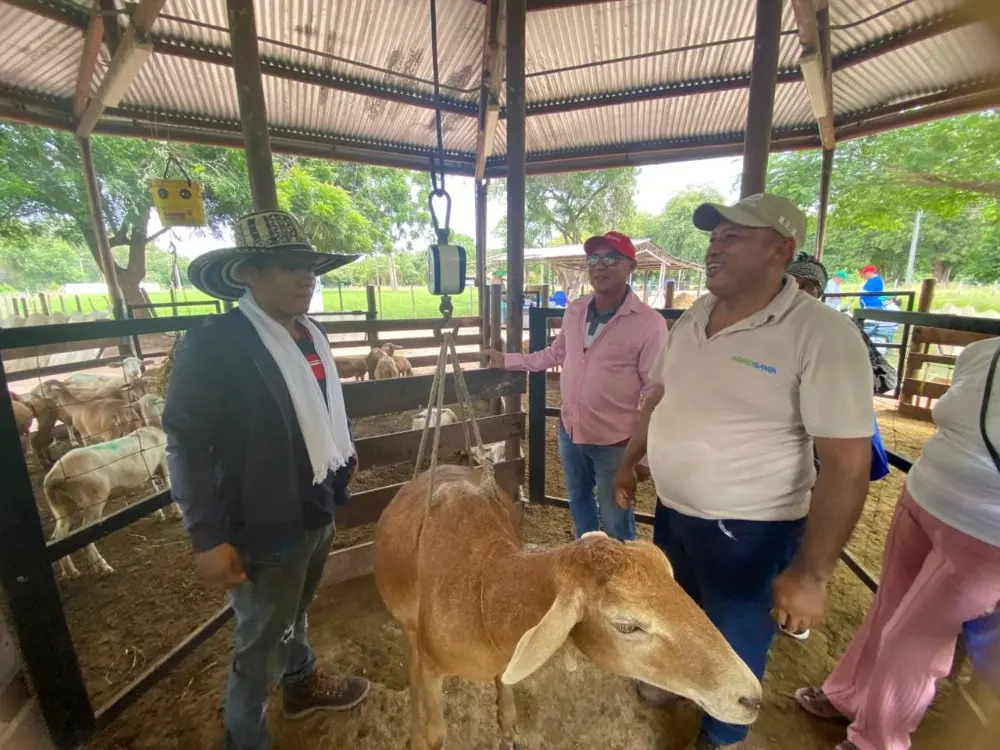
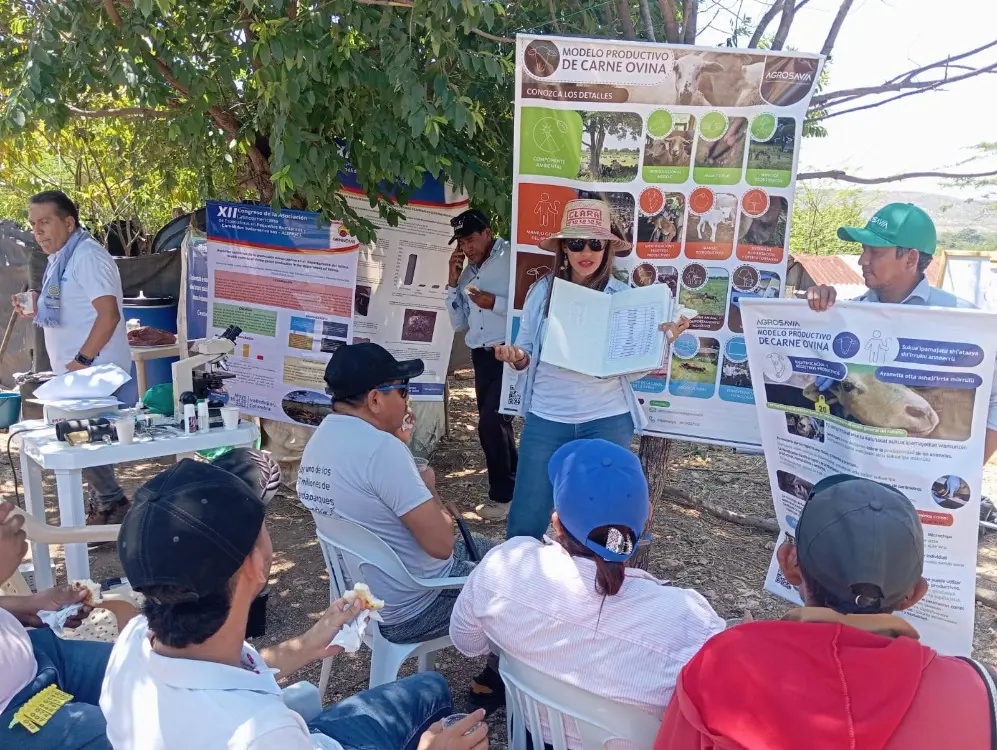
The program included a practical component that promotes “learning by doing,” where the promoter plays the leading role and the facilitator fosters dialogue among the participating farmers. Three field days were held, one in each locality, and certificates were awarded to those who met 80% of the requirements—29 participants in total—with a notably high and dynamic participation of women (45 %).
With this program, we also contribute to AGROSAVIA’s social responsibility and policy toward technical–scientific dissemination and the generation of knowledge to transform the agricultural sector. The methodology is based on the following principles:
Farmers—men and women—are the protagonists.
Farmers—men and women—develop trials and experiments on their plots.
Technicians become companions, providing professional and methodological guidance.
Farmers—men and women—exchange their concrete experiences in sustainable agriculture as promoters.
Farmers—men and women—organize themselves as promoters and experimenters.
It is important to highlight the significance of this course in strengthening capacities and knowledge for the sustainable management of sheep and goats, taking a firm step toward enabling rural promoters to undertake a process of change toward sustainability, productivity, and the dissemination of AGROSAVIA’s contributions to the sheep meat value chain in the country.
For more information on the sheep meat production model, visit the website Sheep Meat Production Model.
A second cohort of the program is expected to be carried out in 2026.
- More information here:
- Ivan David Alba Hidalgo
- Communications, Identity and Corporate Relations Professional
- Headquarters
- Communications, Identity and Corporate Relations Advisory Office
- ialba@agrosavia.co
- AGROSAVIA