


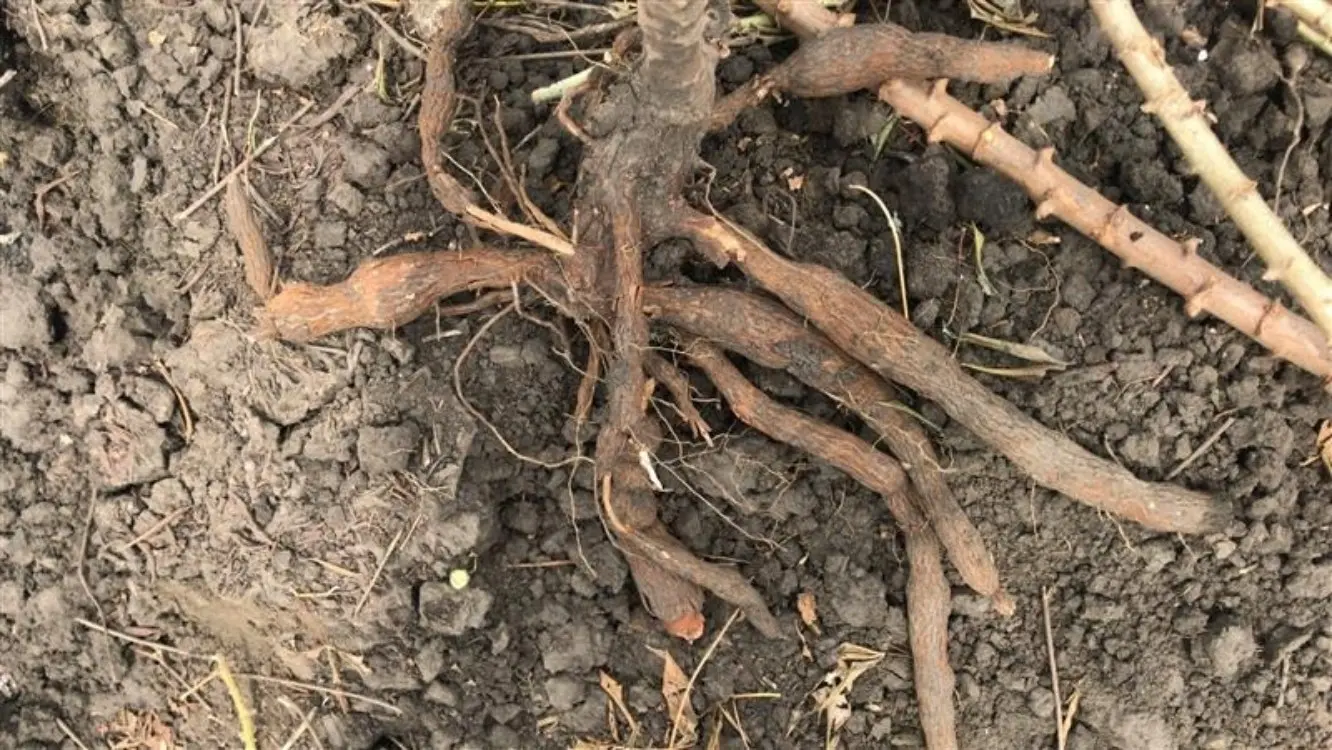
Ibagué, Tolima. January 3, 2026. Cassava, one of the most important crops for food security and the rural economy of Colombia—of which approximately 200,000 hectares are planted and more than two million tons are harvested, currently present in all departments of the country—is facing one of its greatest phytosanitary threats: the disease known as Cassava Frogskin Disease (CFD), a problem that can cause losses of up to 100% of root production and continues to represent a challenge for farmers, researchers, and even the agroindustry.
In Colombia, Cassava Frogskin Disease was first identified in 1971 in the department of Cauca; since then, it has caused losses exceeding 90% in various municipalities across the country, especially in producing regions such as Córdoba, Sucre, Valle del Cauca, Tolima, and Meta. It has also been reported in countries including Brazil, Paraguay, Venezuela, Honduras, and Costa Rica, with a probable origin in the Amazon region.
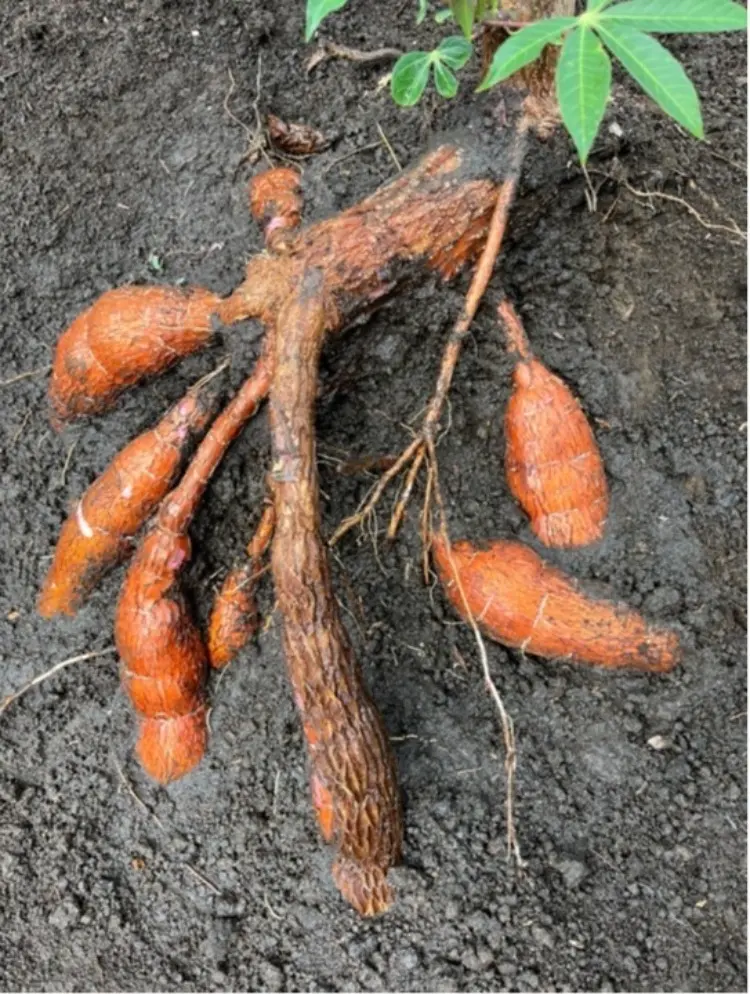
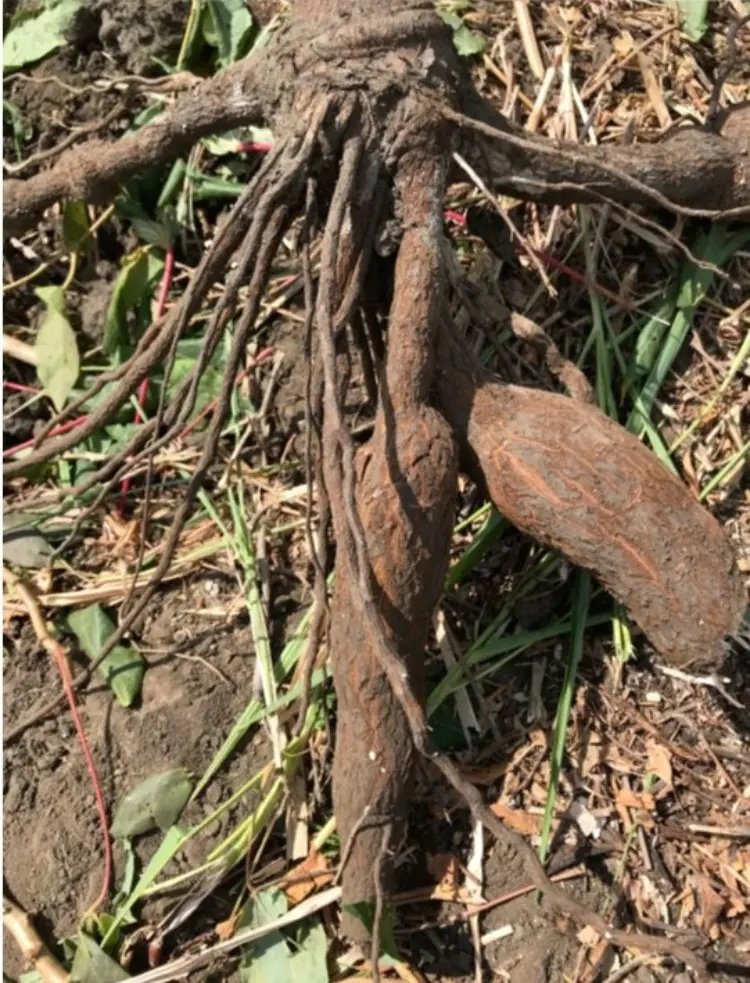
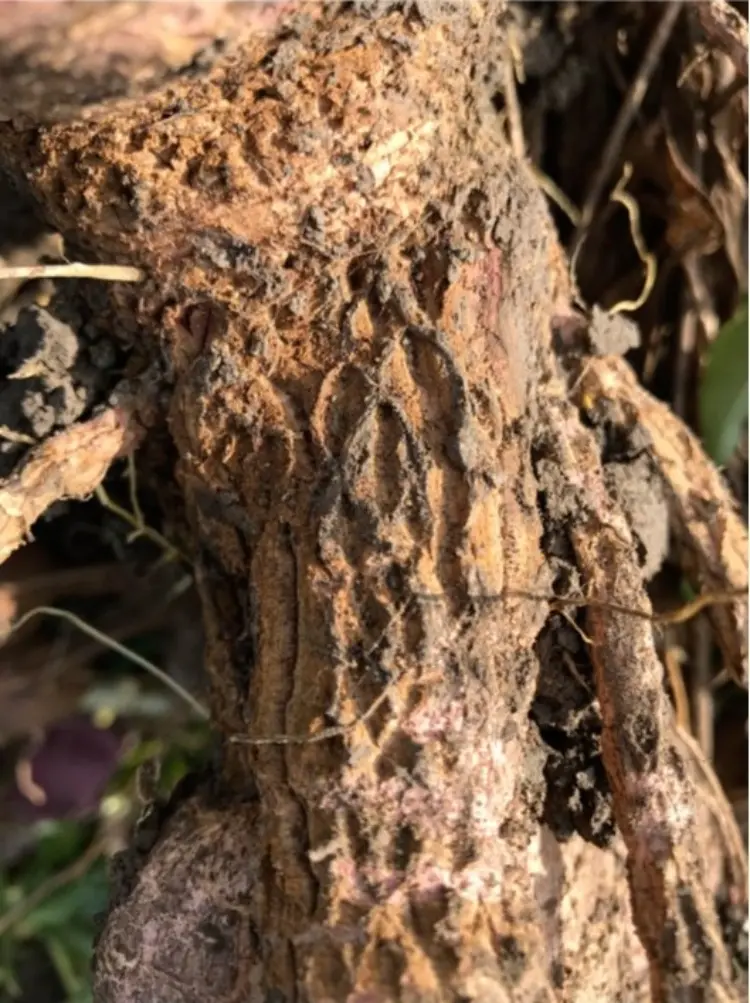
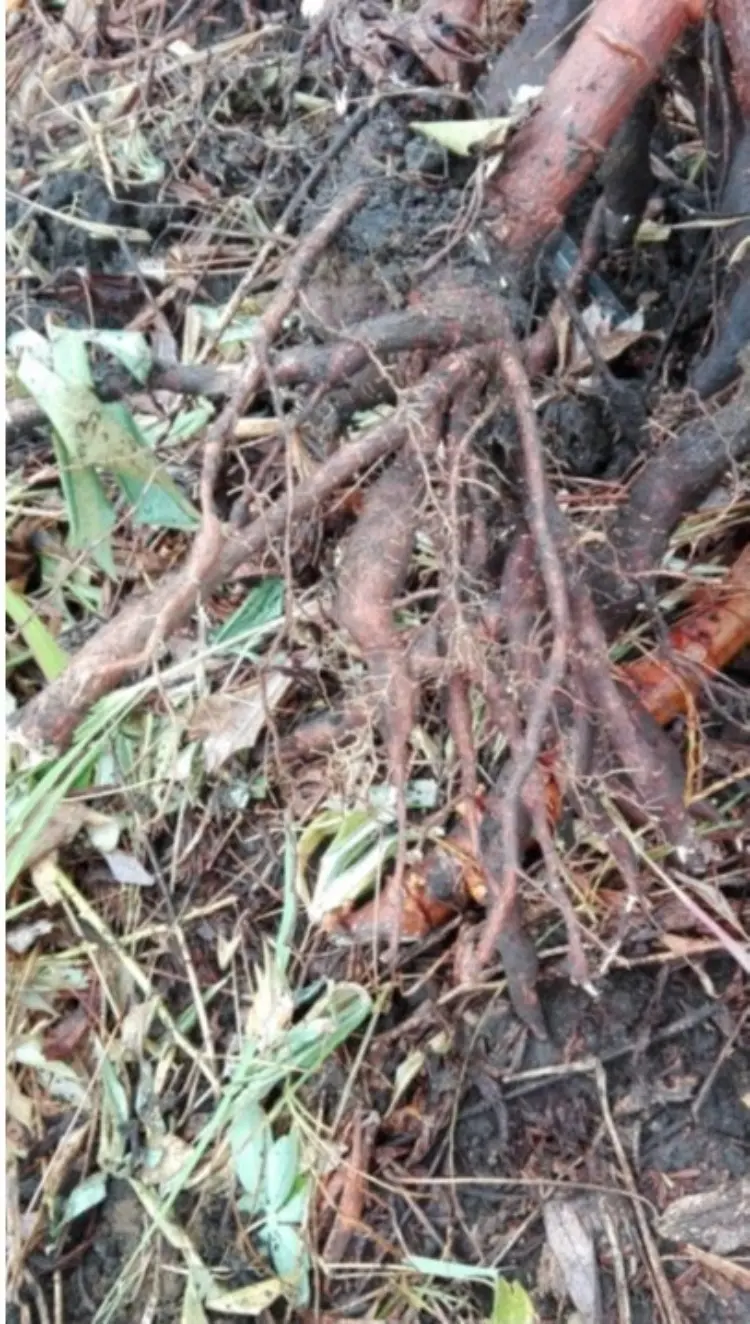
The typical symptoms appear in the roots and range from mild fissures to severe thickening and hardening of the rind, which takes on an appearance similar to cork or toad skin. In the most severe cases, the roots stop bulking, lose their capacity to store starch, and become fibrous and without commercial value.
For decades, the Cassava Frogskin Disease was thought to be caused by a single pathogen. However, recent research has shown that it is a complex disease associated with the interaction of viruses and phytoplasmas. Among the main agents identified are several viruses, such as Cassava Frogskin Associated Virus (CsFSaV) and different torradoviruses, as well as a phytoplasma belonging to the 16SrIII group.
New investigations conducted in Colombia through collaboration between AGROSAVIA and the Alliance of Bioversity and CIAT, confirmed that torradoviruses, even in single infections, can be sufficient to cause the disease, reinforcing the importance of molecular diagnosis and sanitary control of planting material.
The Cassava Frogskin Disease is systemic, meaning that it spreads throughout the plant via the sap. Its main route of dissemination is the use of contaminated cuttings as vegetative seed, a common practice in cassava cultivation. A single diseased plant can rapidly multiply the problem, since cuttings obtained from it can be used to plant ten or more new plants, states researcher Jaime Alberto Marín.
Likewise, it has been shown that the disease can be transmitted by insect vectors, such as whiteflies and leafhoppers, although the exact relationship between each pathogen and its vector is still under study.
Because the disease usually does not show symptoms in the aerial part of the plant, molecular diagnosis has become a fundamental tool. Through laboratory and molecular biology techniques such as RT-PCR and qPCR, researchers can detect viruses and phytoplasmas in apparently healthy plants, thus ensuring the production of pathogen-free planting material.
Among the main management strategies established by researchers to help producers reduce the risk of losses in their crops due to this disease are the following:
- Use of certified, healthy seed, preferably derived from indexed vitroplants.
- Positive selection of mother plants, carefully inspecting the roots at harvest.
- Immediate removal of diseased plants and their stems to prevent dissemination.
- Periodic renewal of planting material, at least every three cycles.
- Control of insect pests and proper nutritional management of the crop.
- Use of varieties with tolerance or resistance, certified by responsible institutions.
The Cassava Frogskin Disease remains one of the main phytosanitary constraints of cassava cultivation in Colombia, especially due to its silent nature and high spread capacity. Nevertheless, advances in research, molecular diagnostics, and the development of resistant materials offer a clear pathway to reduce its impact.
Ladies and gentlemen, farmers: the adoption of good agricultural practices, together with access to planting material of sound sanitary quality, will be key to protecting cassava productivity, an essential crop for food, industry, and the livelihood of thousands of rural families in the country.
Relevant information on this topic can be found in the manual “Frogskin disease in cassava: diagnosis, prevention, and control.” The manual can be consulted here: https://doi.org/10.21930/agrosavia.manual.7408690
- More information here:
- Jorge Sarasty Petrel
- Communications, Identity and Corporate Relations Professional
- Research Center Nataima
- Communications, Identity and Corporate Relations Advisory Office
- jsarasty@agrosavia.co
- AGROSAVIA