


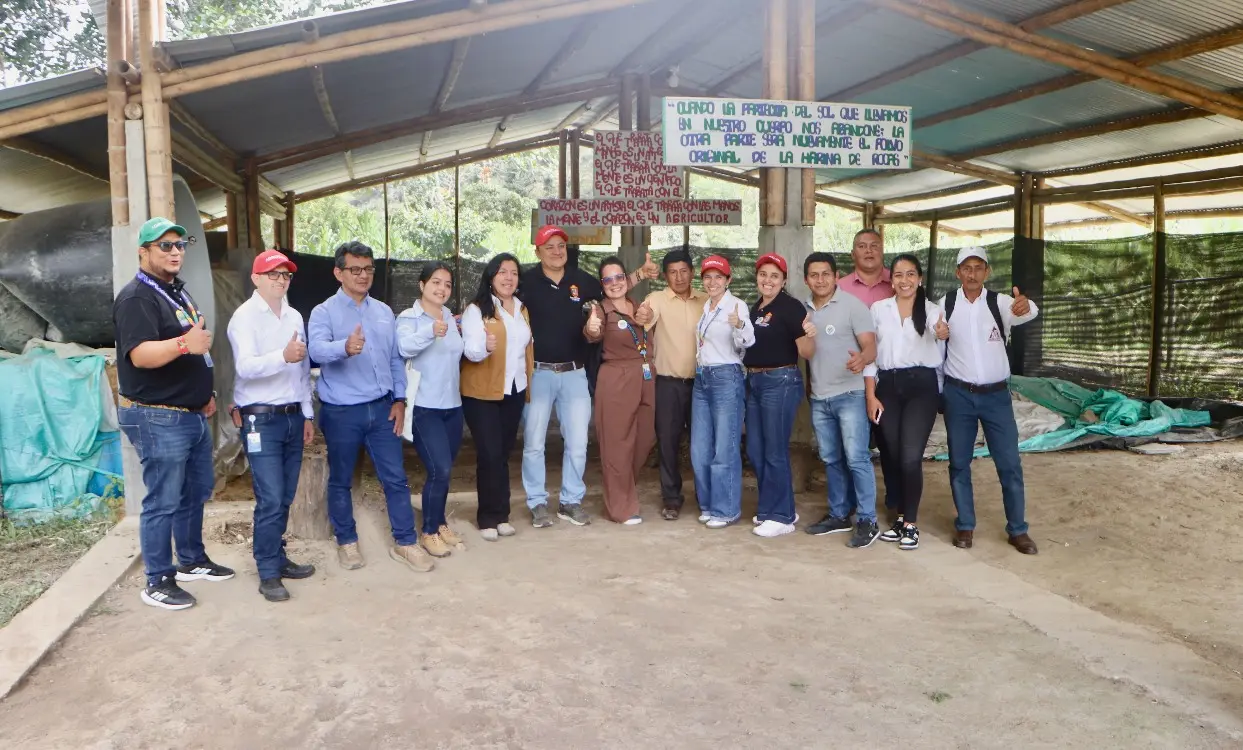
- More than 12,000 students have been embraced by this mission: nearly half are women, 10.9% are Indigenous people representing 30 ethnic groups, and 17.6% are Afro-descendants. Rural Colombia is diverse, and its dreams are just as vibrant.
Florencia, Caquetá. June 18, 2026. Inzá is defined by its mountainous character. It is a municipality located in the Tierradentro region, in eastern Cauca, deep within the Central Andes mountain range of Colombia. Amid mist-covered hillsides and steep slopes, it is internationally recognized for the Tierradentro National Archaeological Park, a place where ancestral communities inhabited the darkness with dignity and has been designated a UNESCO World Heritage Site.
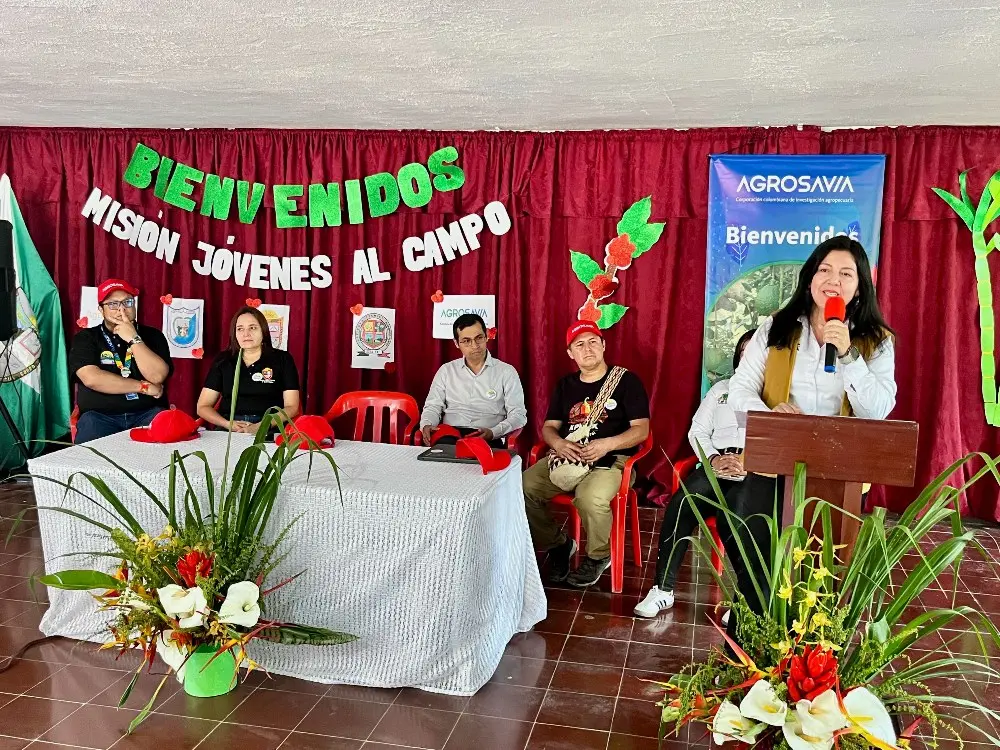
Yet Inzá not only preserves silence beneath the earth. It also cultivates hope above the surface. This remarkable territory became home to the National Strategy, “Mission: Youth to the Countryside,” a program led by the Ministry of Agriculture and Rural Development that, with the technical expertise of AGROSAVIA—Corporación colombiana de investigación agropecuaria—plants the seeds of the future where others see only absence.
Its mission, seemingly simple yet profoundly significant, is to create opportunities that encourage young people to remain connected to rural territories, transforming the need to leave into a decision to stay. This is achieved by strengthening learning environments, introducing technologies tailored to local conditions, and building collaborative networks among rural schools nationwide.
On this occasion, AGROSAVIA focused its efforts on three educational institutions that represent three promises for the future: Promoción Social Guanacas Educational Institution, Sagrada Familia de Nazareth Educational Institution, and the JIISA YAT Agricultural Technical Institute in Santa Rosa de Capicisco. AGROSAVIA listened to their voices, aligned with their aspirations, and, step by step, jointly prioritized the spaces to be transformed and strengthened.
In Guanacas, the sugarcane sector will find its own learning hub. With the unwavering support of the local community, a training environment dedicated to panela agroindustry will be established, supported by AGROSAVIA’s technical and scientific guidance. New sugarcane varieties will be introduced and evaluated in collaboration with the educational community, and accompanied by a continuous process of knowledge transfer. Within its biofactory, laboratory analyses will place science at the service of ancestral knowledge to standardize bioproducts. And because agriculture also requires the right tools, the school will receive equipment to improve field operations, facilitate data collection, and enable evidence-based decision-making in agricultural production.
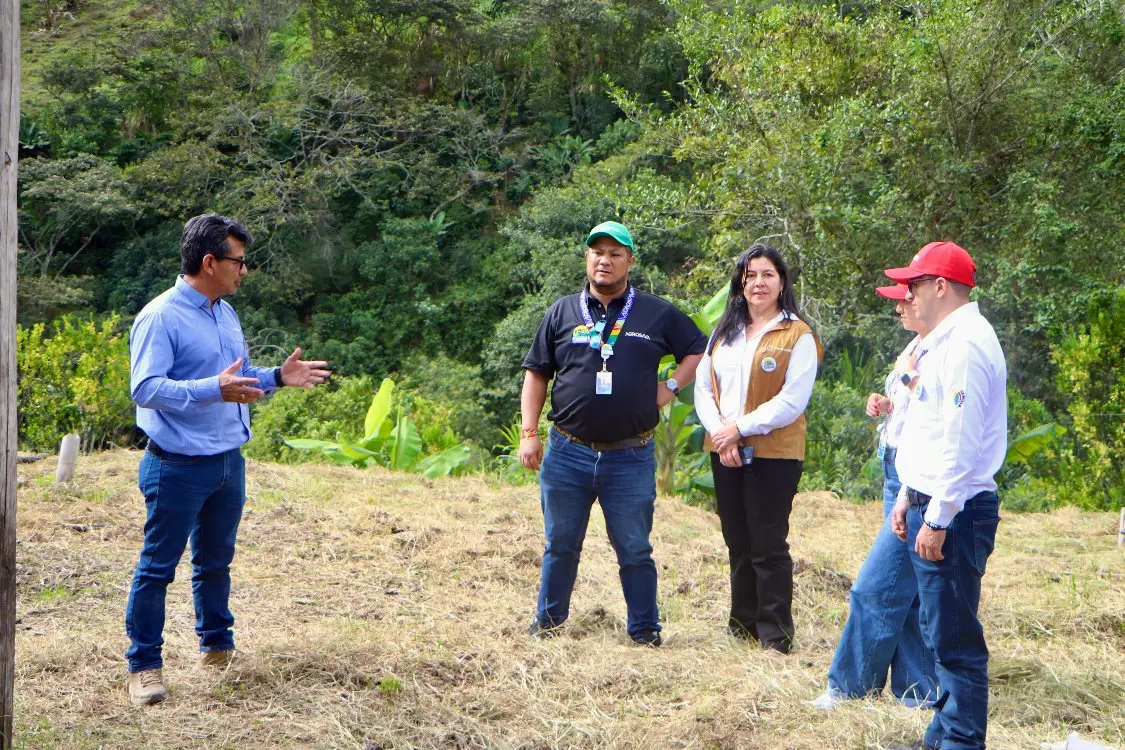
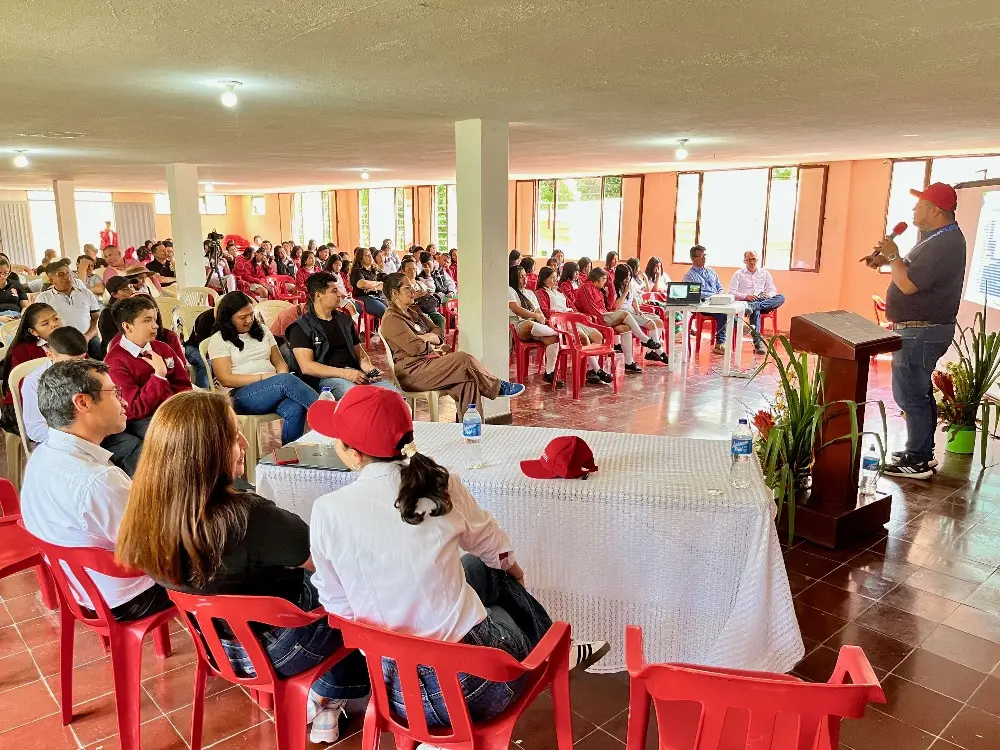
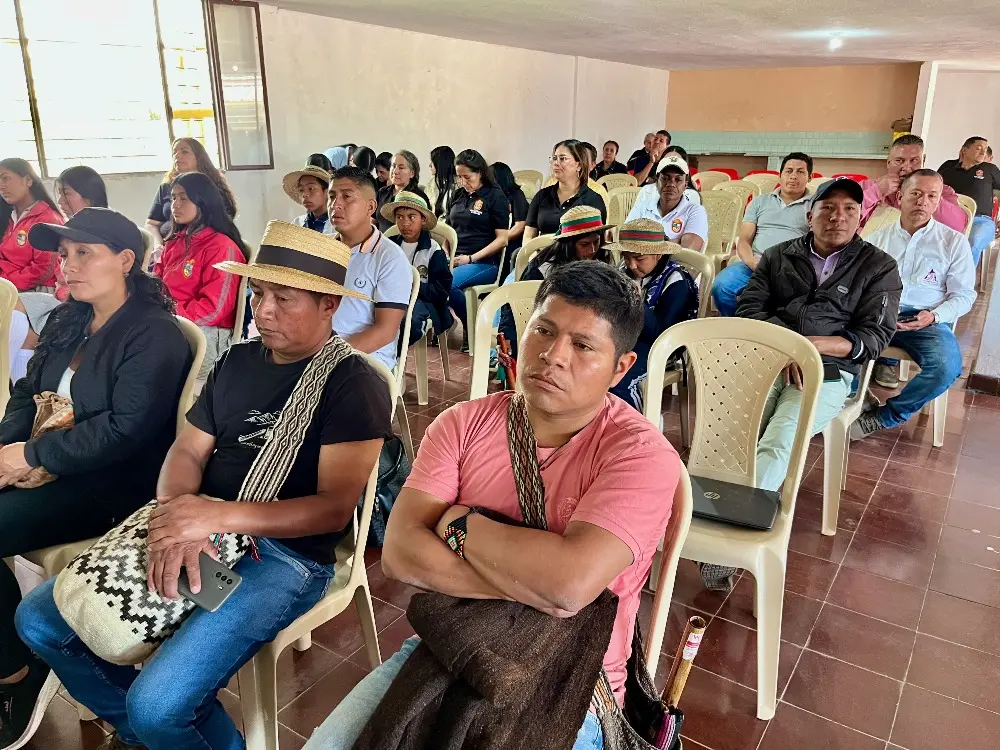
At JIISA YAT, the Seed House will become the heart of the initiative. In partnership with the Regional Indigenous Council of Cauca (CRIC), the physical infrastructure will be developed, while AGROSAVIA will provide furniture and supplies to strengthen community-based conservation, training, and research processes. Native and traditional seeds are more than a source of food; they represent memory, identity, and resilience. AGROSAVIA’s role is not to impose solutions, but rather to integrate knowledge systems, promote knowledge management, and jointly develop productive solutions with the educational community and territorial stakeholders through dialogue and consensus-building.
At Nazareth, AGROSAVIA is contributing the expertise of its highly qualified human talent to strengthen technological processes that serve the agricultural sector. Here, the institution’s existing work in mechatronics converges with agro-environmental approaches. A dedicated space will be established for the propagation and acclimatization of regional plant species. A sensor-monitored composting system will demonstrate that decomposition can be understood through precise scientific processes. Mechatronics, applied to the local agroecosystem, will cease to be a distant concept and become a practical, everyday tool in the service of life and sustainable production.
Today, more than COP 244 million is taking root in three rural schools in Inzá. It is more than a financial investment; it is the seed that AGROSAVIA and the Ministry of Agriculture and Rural Development are carefully planting in the educational landscapes of Guanacas, Nazareth, and Santa Rosa de Capicisco. Every peso is transformed into laboratories, seed houses, smart composting systems, and greater efficiency in panela production through the adoption of improved varieties. Where many see limitations, these resources create opportunities: they enhance educational spaces, inspire vocational aspirations, and strengthen the most important territory of all—the dreams of rural youth. In this way, young people no longer imagine a future elsewhere; instead, they begin to build, with their own hands, the place where they choose to remain.
The strategy Mission: Youth to the Countryside did not begin yesterday. It has strengthened nearly 91 rural educational institutions across 27 departments and 83 municipalities throughout rural Colombia. More than 12,000 students have been impacted by this initiative: nearly half are women and the remainder men; among them, 10.9% are Indigenous people from 30 different ethnic groups, and 17.6% are Afro-descendants. Colombia’s rural landscape is a mosaic of cultures, identities, and resilience, and all are included within this mission.
Strengthening productive educational environments is not merely a technical undertaking. It is an act of commitment to rural territories, a commitment clearly embodied by AGROSAVIA’s team at the Popayán Research Center, who support this important mission in Inzá with dedication and purpose. When young people learn by doing, they cease to be spectators of their future and become active participants in shaping it. They plant, harvest, program, work, and make decisions. In doing so, they establish roots, often without realizing it. Teachers then become guiding beacons—connecting schools, communities, and the world of work; fostering vocational development; and building bridges that no one should have to cross alone.
Thus, in Inzá and in every territory where AGROSAVIA supports local development processes, the countryside ceases to be a place people feel compelled to leave behind. Instead, it becomes a place of opportunity and hope—where it is worthwhile to stay, adopt technology, and innovate.
- More information here:
- José Dario Ule Rodriguez
- Communications, Identity and Corporate Relations Professional
- Office Florencia
- Communications, Identity and Corporate Relations Advisory Office
- jule@agrosavia.co
- AGROSAVIA