


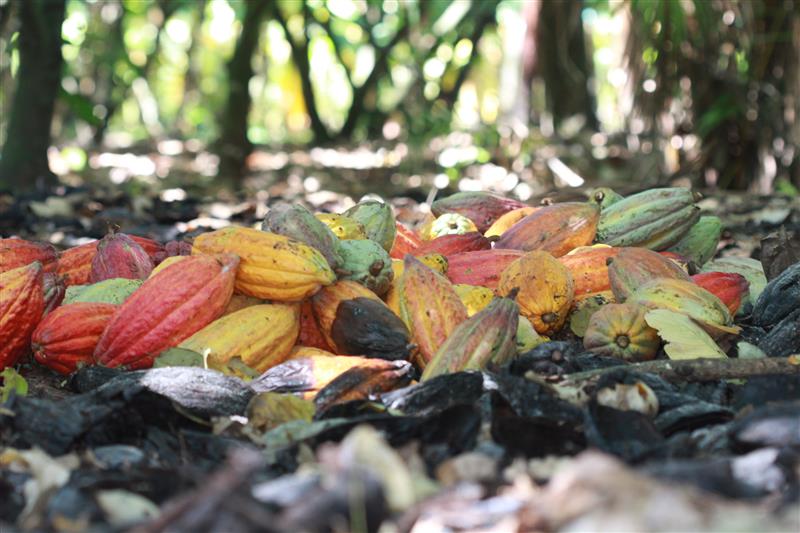
Villavicencio, Meta. January 21, 2026. Researchers from AGROSAVIA conducted a study on 28 cacao farms in Arauca, providing new evidence on how on-farm management decisions and the surrounding landscape context influence arthropod dynamics, pest and disease incidence, and cacao yield. The research integrated three key scales—management (pesticide use), microhabitat (shade and ground cover), and landscape—to understand their combined effects on cacao agroecosystems.
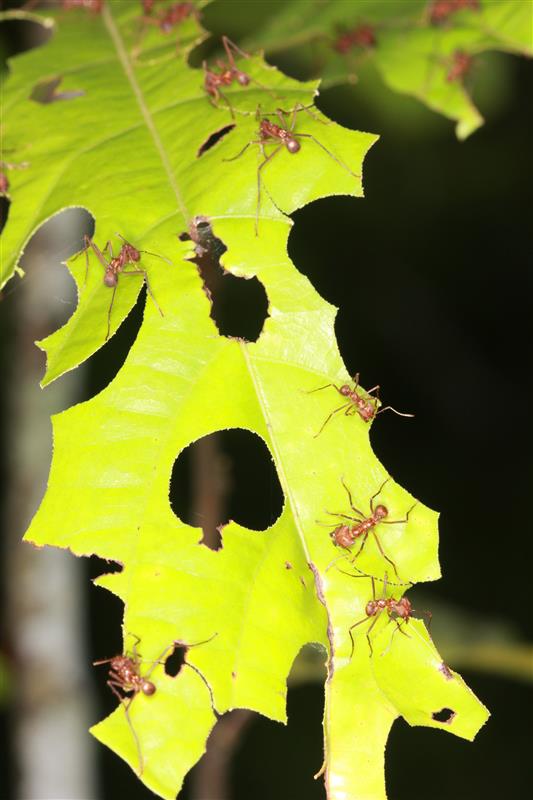
Among the main findings, the study showed that farms with higher pesticide use exhibited a significantly greater abundance of herbivorous insects (≈ +93%), while the reduction in defoliation was only minimal. This result suggests potential unintended effects on biological control, whereby intensive chemical use might be weakening the natural regulation of pests.
Regarding shade management, very dense canopy cover was associated with higher defoliation and greater disease damage to pods, particularly when shade exceeds approximately 70%. This finding reinforces the importance of adjusting shade levels to balance the benefits of the agroforestry system with the crop’s sanitary risks.
At the landscape scale, the results were encouraging: in more diverse landscapes, measured using the Shannon Diversity Index (SHDI), a lower abundance of herbivores was observed, highlighting the value of environmental heterogeneity in naturally reducing pest pressure.
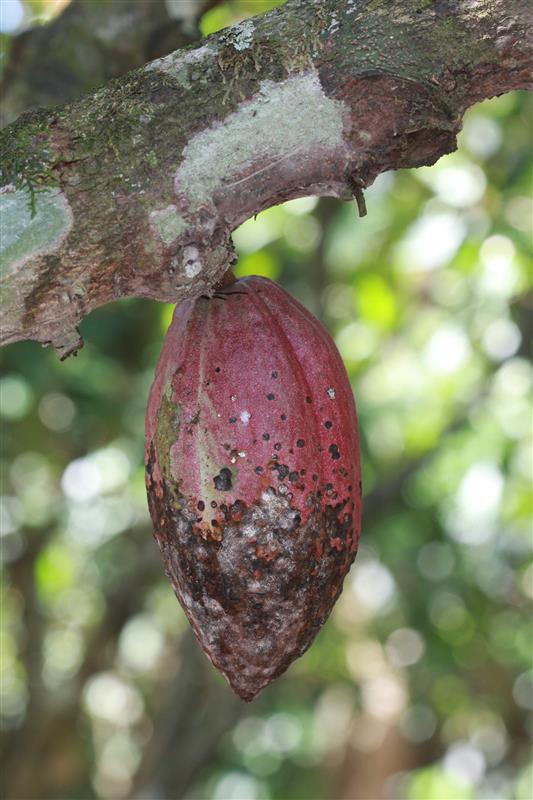
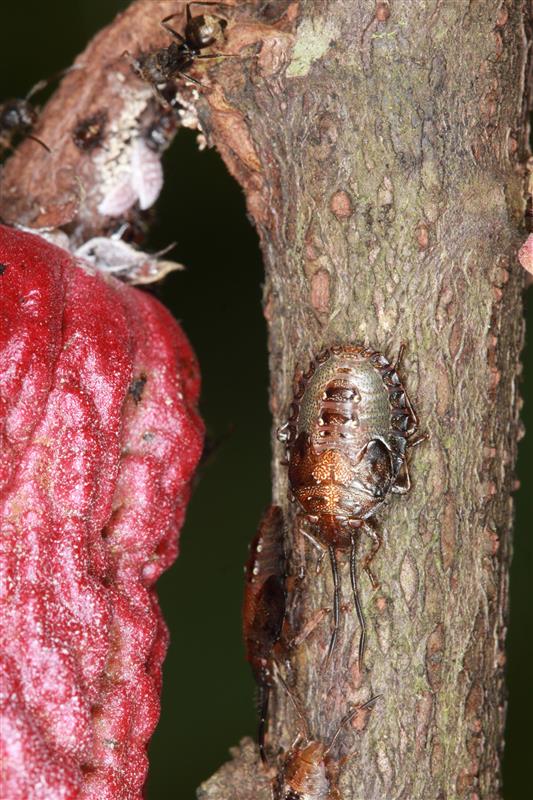
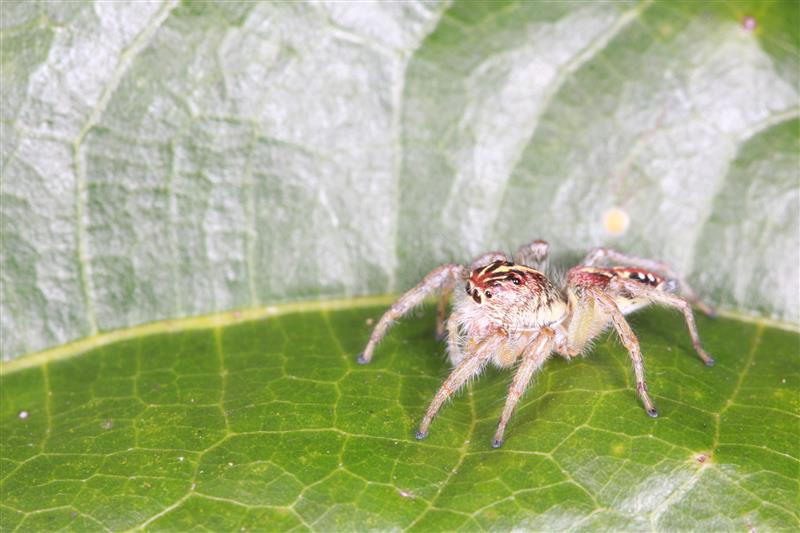
The study also analyzed the role of ground cover. Leaf litter was associated with a slight decrease in disease damage, whereas the presence of decomposing pod husks was linked to increased damage, possibly because they act as inoculum reservoirs. This result underscores the importance of sanitation practices and residue management on farms.
Finally, the researchers identified that cacao yield decreases drastically as defoliation and pest damage to pods increase, with losses exceeding 50% when comparing low-damage versus high-damage scenarios. In contrast, disease damage did not show a clear direct effect on yield, which could be explained by producers' application of preventive cultural practices.
Overall, this study highlights that the sustainability and productivity of cacao in Arauca depend on integrated strategies that combine more rational pesticide use, appropriate shade management, good sanitation practices, and the conservation of diverse landscapes. The results provide key inputs to guide technical recommendations aimed at strengthening sustainable cacao production and the well-being of producers in the region.
The study titled “Effects of pesticide use, microhabitat structure, and landscape diversity on arthropod communities, pest–disease dynamics, and yield in cacao agroecosystems,” was carried out by Bladimir Guaitero, Diego Fernando Cuero-Plaza, David Ricardo Hernández-Angarita, Hebert Camargo-Tamayo, Carolina Pisco-Ortiz, Edwin Rodríguez, Paola Zuluaga, Mario Porcel, and Yeisson Gutiérrez, and published in the international scientific journal Agriculture, Ecosystems and Environment (Elsevier). The publication is available for consultation through the ScienceDirect platform.
- More information here:
- Darlin Conrado Mosquera
- Communications, Identity and Corporate Relations Professional
- Research Center La Libertad
- Communications, Identity and Corporate Relations Advisory Office
- dconrado@agrosavia.co
- AGROSAVIA