

- The Ministry of Agriculture and the Motilonia Research Center of AGROSAVIA, are working jointly in science and territory to disseminate and implement the Public Policy on Agroecology in the Northern Caribbean region, convening local producer organizations.
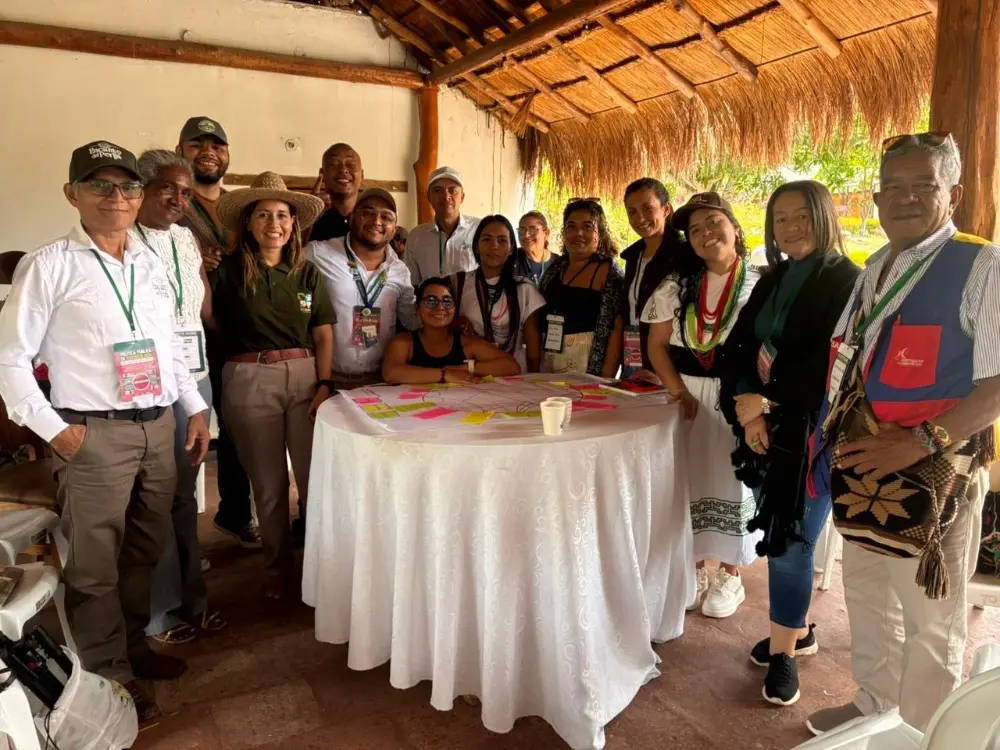
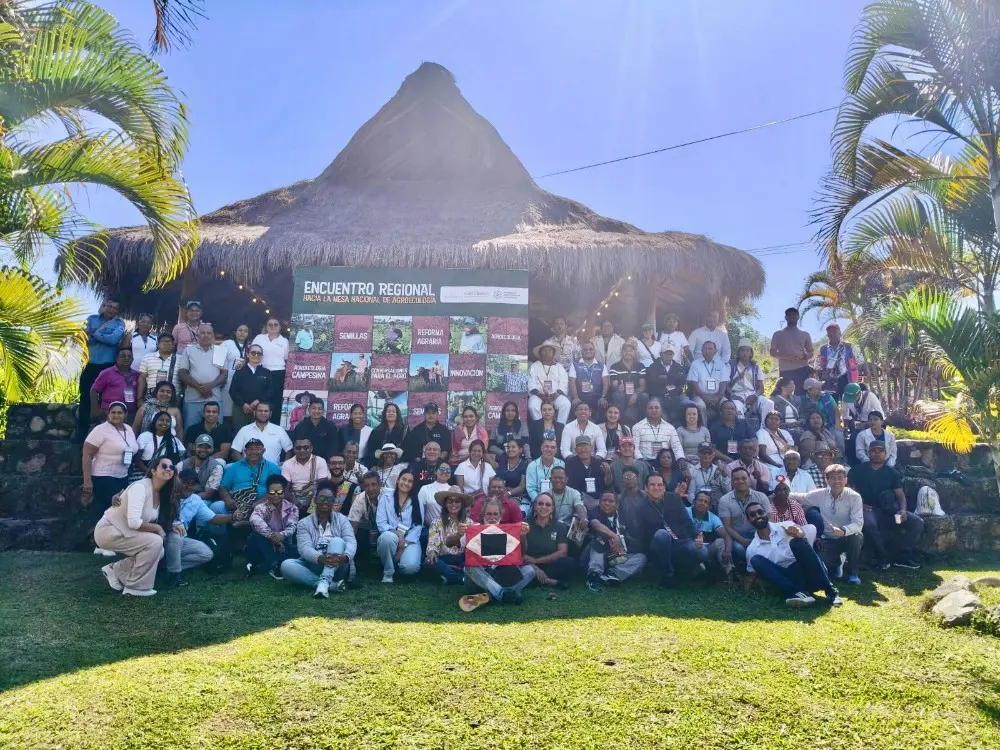
Agustín Codazzi, Cesar. February 25, 2026. The Northern Caribbean Agroecology Summit, organized by the Ministry of Agriculture and Rural Development (MADR) with the support of AGROSAVIA, was held in the municipality of Pueblo Bello, located in the Sierra Nevada de Santa Marta, where the Motilonia Research Center is consolidating a Territorial Innovation System (TIS).
Over three days, a strategic space was established to advance the implementation process of the Public Policy on Agroecology (PPA) and to deepen its principles and approaches with communities from the departments of Cesar, Magdalena, La Guajira, and the Archipelago of San Andrés, Providencia, and Santa Catalina.
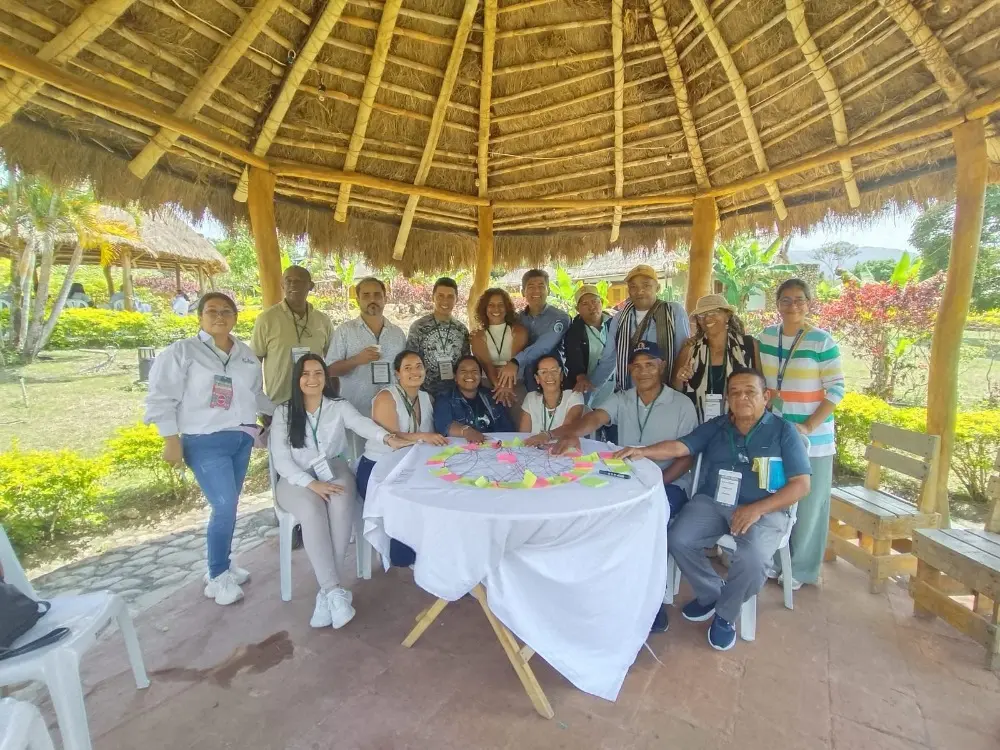
The event brought together associations, peasant organizations, ethnic peoples, researchers, and institutions at both regional and national levels, consolidating itself as a forum for dialogue and advocacy aimed at transforming agri-food systems in the Colombian Caribbean.
Ph.D. researchers from the Motilonia Research Center—Juan Guillermo Cubillos, Adriana Tofiño, and Zulma Cruz—participated alongside the MADR team in presenting the guidelines established in the public policy on agroecology, outlined below:
- Agroecological knowledge management.
- Agroecological production and transition.
- Agroecology-based distribution, exchange, marketing, and consumption.
- Agrobiodiversity, biocultural systems, and the climate crisis.
- Governance of the Public Policy on Agroecology.
Within the framework of the summit, a panel discussion on Agrarian Reform: context and process for building the Mandate, the Ten-Year Agrarian Reform Plan, and the CONPES was held, led by MADR. Additionally, institutional programs and actions were presented by entities such as Parques Nacionales Naturales de Colombia, Fondo para el Financiamiento del Sector Agropecuario (FINAGRO), Instituto Colombiano Agropecuario (ICA), and the Autonomous Regional Corporations of Cesar and La Guajira—CORPOGUAJIRA and CORPOCESAR—strengthening inter-institutional coordination in the region.
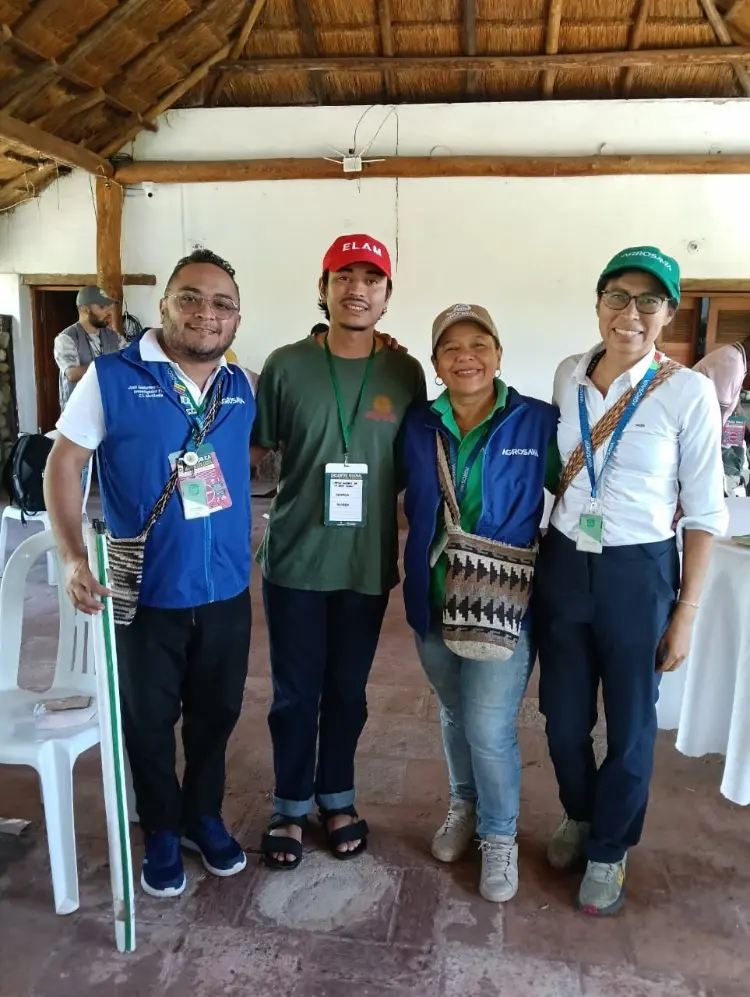
Ph.D. Juan Guillermo Cubillos presented AGROSAVIA’s actions, highlighting the distinctive feature and experience in the co-creation of projects with an agroecological approach alongside ethnic communities—the four Indigenous peoples of the Sierra Nevada de Santa Marta, the Yukpa, Wayuú, and Afro-Colombian and Raizal community councils—within its area of influence in the departments of Cesar, La Guajira, and the Archipelago of San Andrés, Providencia, and Santa Catalina. He also presented the actions of the Caribia Research Center, which operates in the departments of Magdalena and Atlántico, and shared the strategic vision and technological portfolio of the Motilonia Research Center.
Carmen González, leader of the summit and a member of MADR’s Innovation Directorate agroecology team, invited collective reflection with the question: What should the Public Policy on Agroecology accomplish on my farm, in my community, organization, or institution, and how can I contribute to its implementation through my work? This exercise generated participatory proposals to link agroecology with Agrarian Reform in the territories. The participation of Ekile Torres, an ethnic-focused Research Assistant at the Motilonia Research Center and a member of the Arhuaco people, who delivered the opening remarks, was key to strengthening intercultural dialogue by facilitating message interpretation in the native language and promoting more inclusive participation of Indigenous communities.
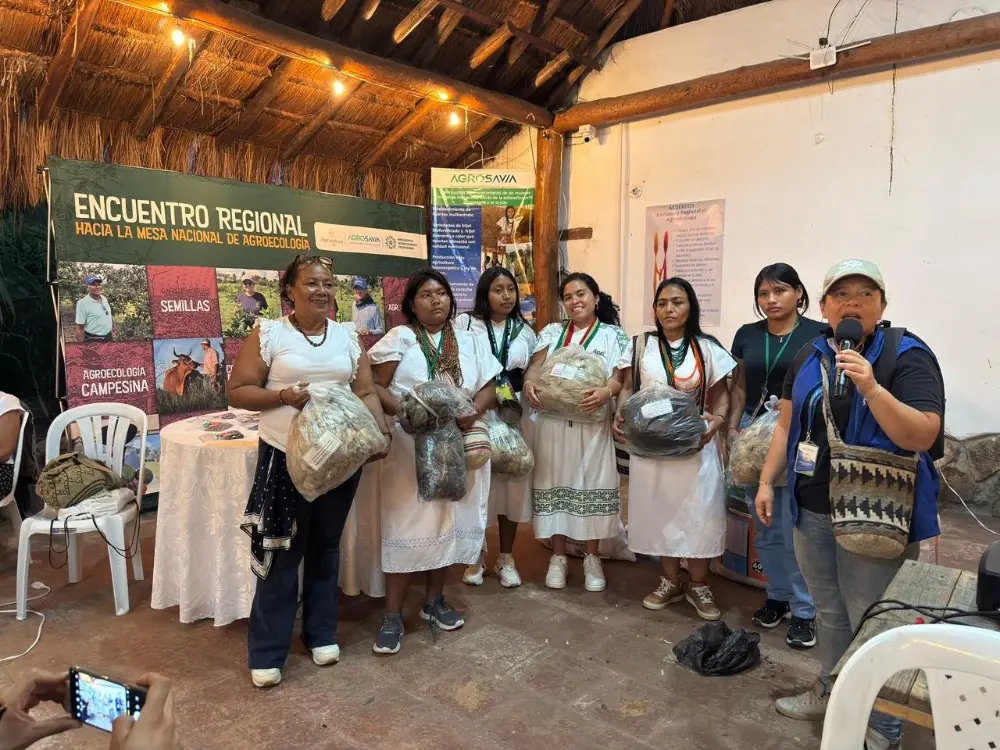
During the seed exchange and marketing session, AGROSAVIA distributed 280 kg of biofortified bean seed and climate-change-tolerant bean seed produced by the ASPROCEMA association from the municipality of El Carmen de Bolívar and the Catatumbo region within the framework of the KoLFACI project led by Researcher Adriana Tofiño. This collaboration connects Peace agri-food corridors and fosters complementarity among ecoregions promoted by the Public Policy on Agroecology. In the same vein, AGROSAVIA promoted the integration of agricultural systems by providing sheep wool to women artisans to validate the quality of the traditional ovine nucleus in the Sierra Nevada, under the leadership of Researcher Clara Rúa, encouraging the incorporation of the Peasant, Family, Ethnic, and Community Agriculture (ACFEC) approach and a gender perspective as pillars of the agroecological transition.
As a contribution to strengthening regional capacities, MADR delivered bibliographic materials on agroecological practices in agri-food systems: Chromatography; Images of Soil Life and Destruction; and Shit à la Carte: A New ABC of Organic Agriculture, bringing extension agents and producers closer to soil knowledge and practical techniques for its recovery and sustainable management.
The summit concluded with the autonomous assembly of organizations, during which Agroecological Engineer Camilo Andrés De la Hoz, representative of the ASOCAMPO organization, was elected as delegate of the Northern Caribbean Region to the National Agroecology Board, reaffirming the region’s commitment to the participatory construction of the Public Policy on Agroecology and the sustainable transformation of the Colombian countryside.
- More information here:
- Griselda Gómez Gámez
- Communications, Identity and Corporate Relations Professional
- Research Center Motilonia
- Communications, Identity and Corporate Relations Advisory Office
- gmgomez@agrosavia.co
- AGROSAVIA