


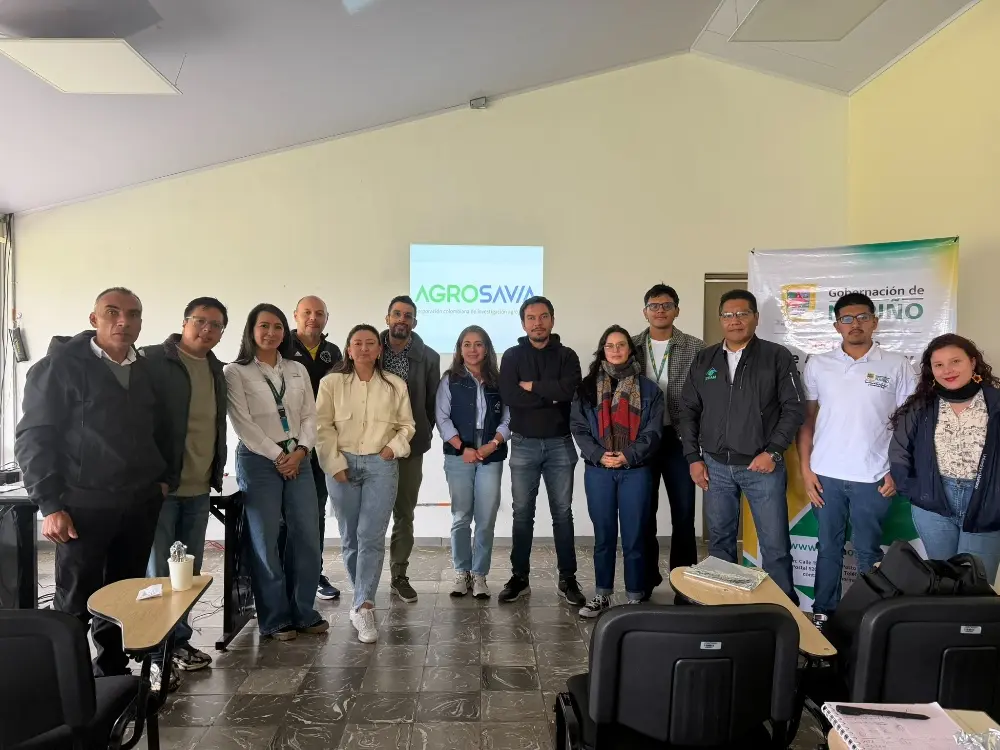
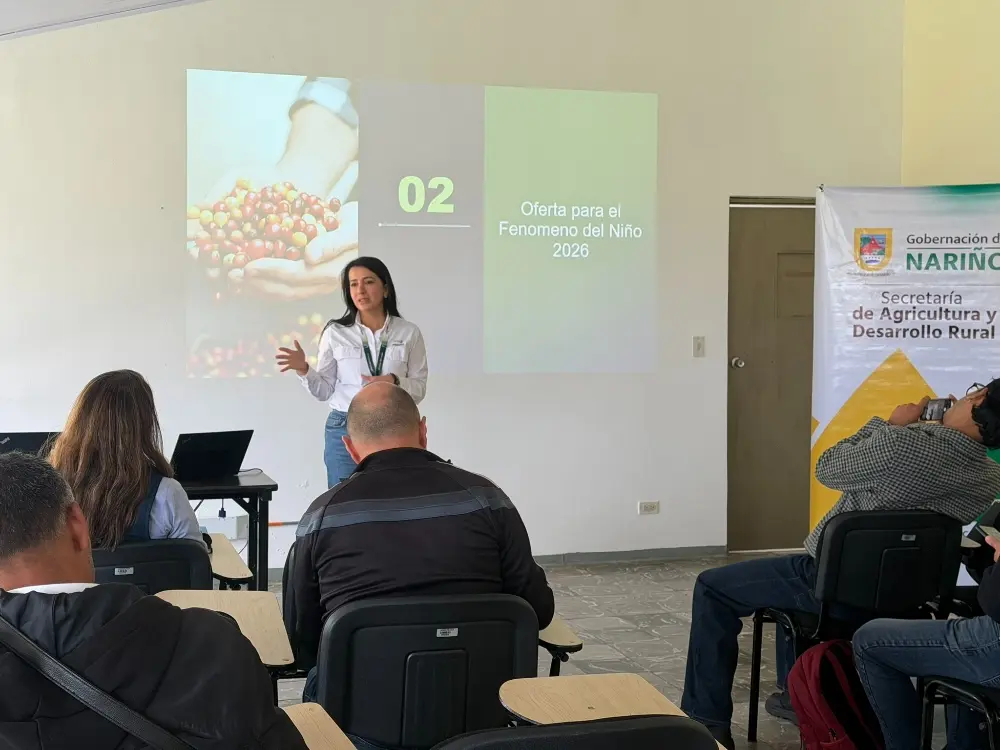
- In response to the need for the agricultural sector to better prepare for the various impacts of climate variability—particularly during the current period, characterized by a "Strong" to "Very Strong" El Niño event (commonly, though inaccurately, referred to as a "Super El Niño")—which is expected to bring a wide range of challenges, the Agroclimatic Technical Roundtable (MTA) for the Department of Nariño convened its June–July session.
- These technical roundtables aim to strengthen agroclimatic knowledge management by integrating historical climate analysis from previous years for the same period, seasonal climate forecasts, and technical recommendations and field experiences to support better decision-making for agricultural production system management.
Pasto, Nariño. July 24, 2026. The Agroclimatic Technical Roundtables in Nariño are coordinated by the Government of Nariño through its Secretariat of Agriculture and Rural Development, in collaboration with IDEAM, AGROSAVIA, and various regional stakeholders. Their purpose is to transform technical information into informed production decisions by farmers, agricultural technical advisors, and extension professionals.
What Does Promoting Climate Culture Mean?
Beyond simply understanding weather and climate forecasts, climate culture seeks to raise awareness among farmers, technical advisors, agricultural extension professionals, and decision-makers about their socioecological environment and the changes occurring within it. This enables them to reduce socio-environmental conflicts and implement informed measures for prevention, mitigation, and adaptation, such as deciding when to plant, how and when to apply fertilizers, how to manage irrigation efficiently, how to prepare soils, and how to respond to drought conditions, among many other agricultural practices.
A Data-Driven Analysis
During this month's Agroclimatic Technical Roundtable, three key components were discussed to integrate a data-driven culture and information management into agricultural decision-making across Nariño:
Climate Outlook: IDEAM presented an analysis of meteorological conditions observed over the past two months over the past 30 years, along with seasonal projections for July and August. The data indicate that the Andean region of the department is expected to experience significantly drier conditions than those historically observed for this time of year, highlighting the urgent need to implement preventive measures.
Agroclimatic Information Management Tools: AGROSAVIA showcased several technological platforms developed within the framework of Colombia's National Agricultural Innovation System (SNIA) for agricultural information management, including SIEMBRA, LINKATA, and the Colombian Agricultural Digital Library. In addition, the MAPA and AGRORAC agroclimatic information systems were presented through a guided demonstration of their navigation and data retrieval functionalities.
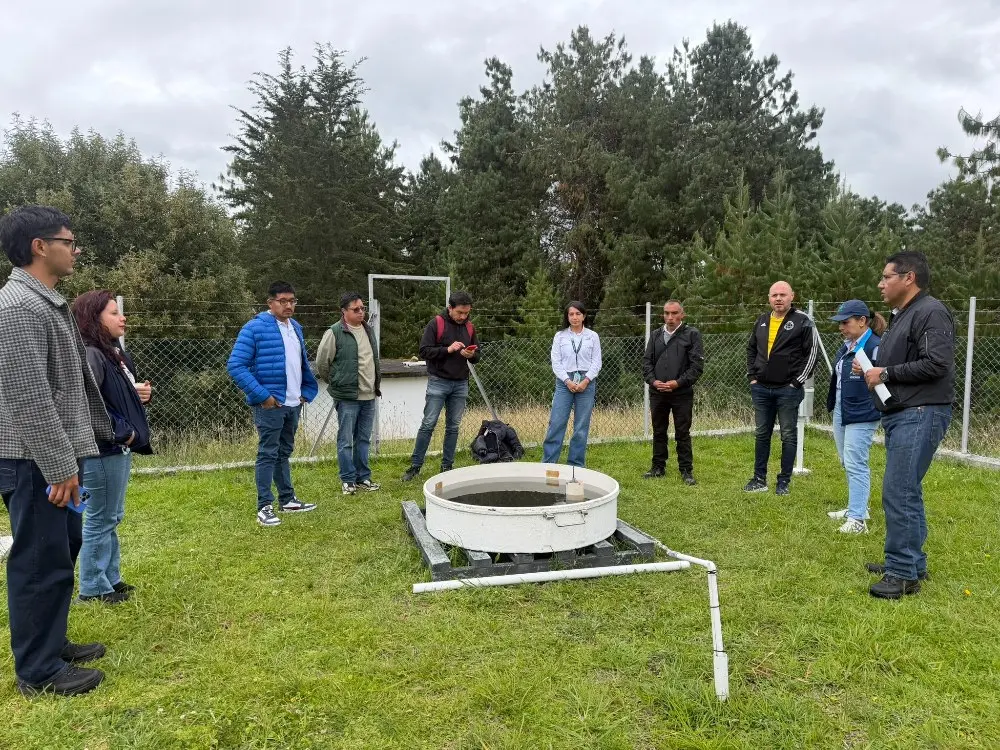
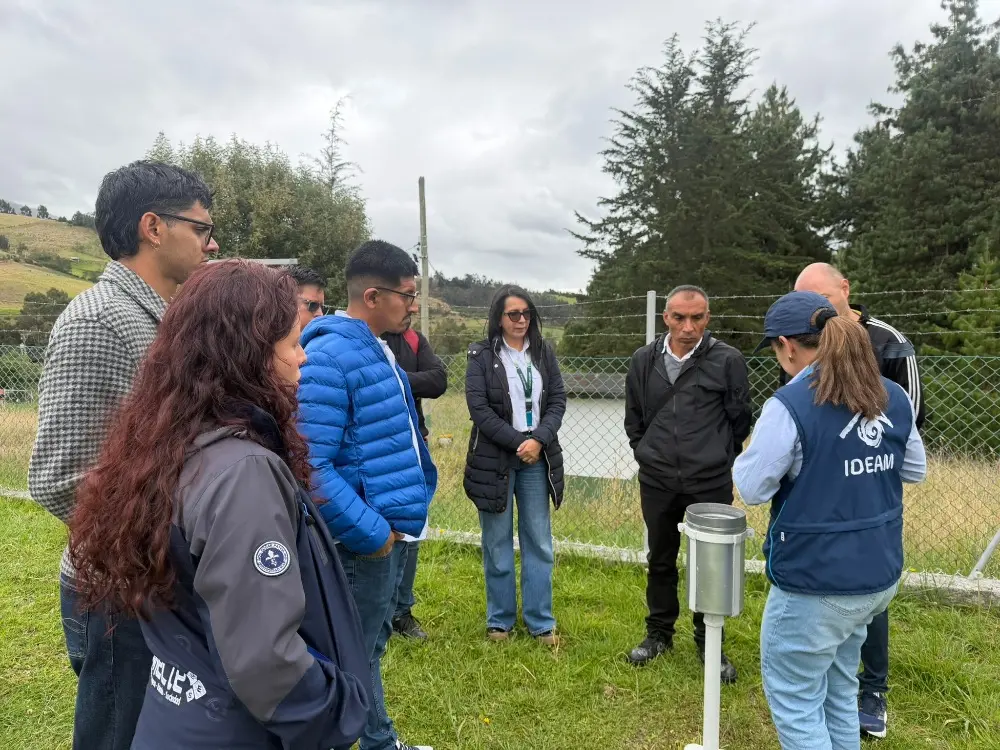
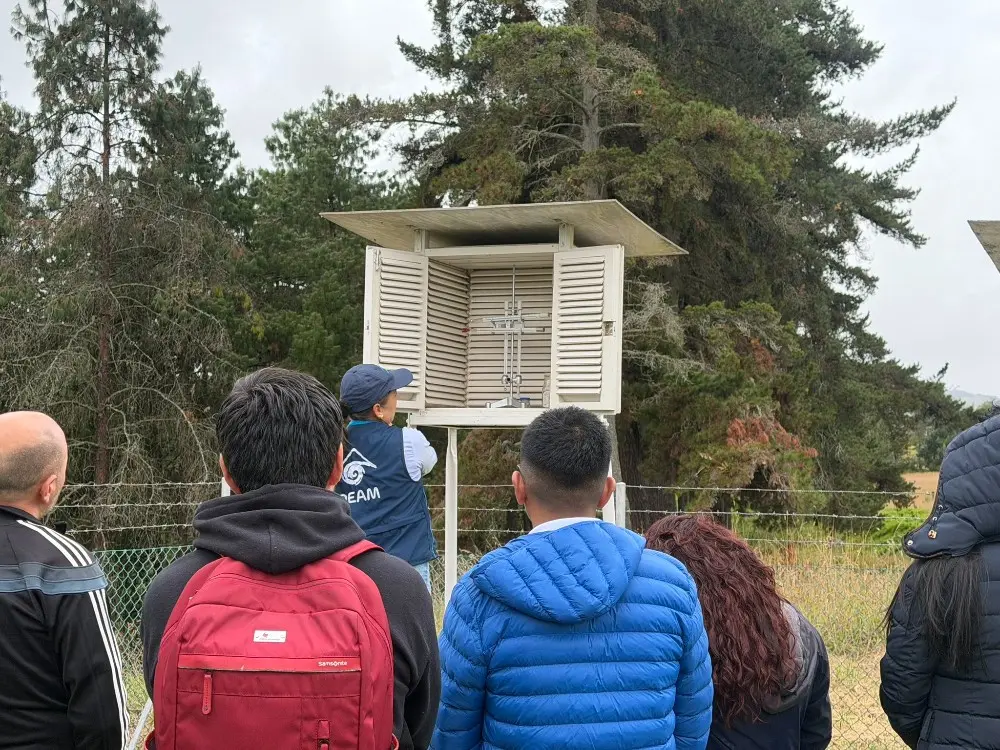
Assessing Data Culture in the Field: The event concluded with a technical visit to the IDEAM climate monitoring station located at the Obonuco Research and Technology Transfer Center. Participants gained firsthand knowledge of the instruments used to monitor and record climatic variables, reinforcing the importance of a data-driven culture—understanding what the data represent and why accurate data collection is the essential first step toward protecting agricultural production.
A Shared Commitment
"These technical roundtables are essential for moving from uncertainty to planning. Our goal is for farmers not only to receive information but also to become active participants in managing the risks affecting their production systems," emphasized participants and organizers during the event.
This interinstitutional collaboration encourages all stakeholders in Nariño's agricultural sector to access, disseminate, and apply the monthly Agroclimatic Bulletin, one of the main outputs of these technical sessions. The bulletin offers region-specific technical recommendations based on seasonal climate forecasts. Effective information management remains one of the most powerful tools for adapting to climate-related challenges. We invite all stakeholders to explore the resources available on our digital platforms and to join this knowledge-based approach to agricultural risk management.
- More information here:
- Mónica Milena Burbano
- Communications, Identity and Corporate Relations Professional
- Center for Research and Technology Transfer Obonuco - El Mira
- Communications, Identity and Corporate Relations Advisory Office
- mmburbano@agrosavia.co
- AGROSAVIA