

- This activity was carried out within the framework of the Conservation and Sustainable Use of Natural Resources Project (KfW–HeCo Colombia).
- The initiative aims to strengthen the management of protected areas and improve connectivity across priority ecological corridors, contributing to the protection and sustainable use of natural resources, including biodiversity and ecosystem services.
Florencia, Caquetá. June 23, 2026. Along the banks of the majestic Fragua River, also known as Fragua Chorroso, whose name still echoes the memory of an ancient forge, lies a landscape where history and nature converge. Derived from the Latin fabrica, a forge is the place where fire tempers metal and the hammer shapes tools. The word took root in this Amazonian land as a powerful symbol: here, AGROSAVIA is also forging life—with the same strength, dedication, and patient craftsmanship of a blacksmith.
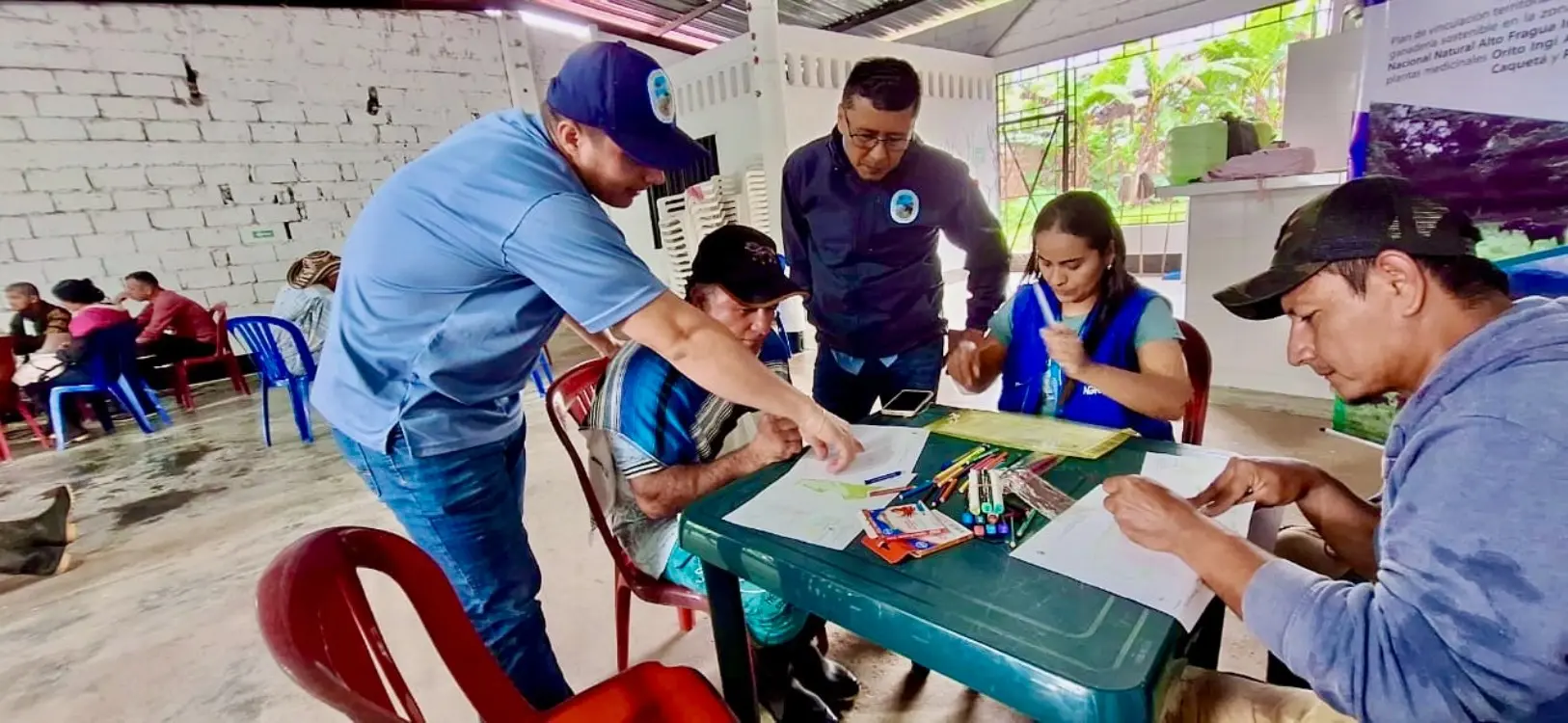
In this landscape of forests and rivers, within the buffer zone of Alto Fragua Indi Wasi National Natural Park, 66 producers from the municipalities of Belén de los Andaquíes and San José del Fragua, Caquetá, participating in the project, gathered for the workshop entitled "Participatory Farm Planning and Investment Plan Agreement." This activity is part of the Andean–Amazon Sustainable Livestock Engagement Plan, implemented by AGROSAVIA through its research team at the Florencia–Costayaco Research Office, in partnership with Colombia's National Natural Parks System. The initiative is financially supported by the Government of Germany through the Federal Ministry for Economic Cooperation and Development (BMZ) and the German Development Bank (KfW), within the framework of the Herencia Colombia (HeCo) program.
Throughout the workshop, producers mapped their farms using participatory planning tools, working with maps and pencils in hand. They identified areas for conservation, designated zones for sustainable production, and, most importantly, jointly agreed on the investments required to implement the Sustainable Systems for Conservation (SSC).
The actions resulting from this collective planning process are ambitious: establishing silvopastoral systems that integrate trees, forage, and livestock; restoring degraded pastures; subdividing paddocks using solar-powered fencing systems to improve grazing efficiency; upgrading livestock infrastructure to support better herd management; strengthening animal health and nutrition; and, perhaps most importantly, protecting and managing with care the areas designated to conserve and restore strategic ecosystems.
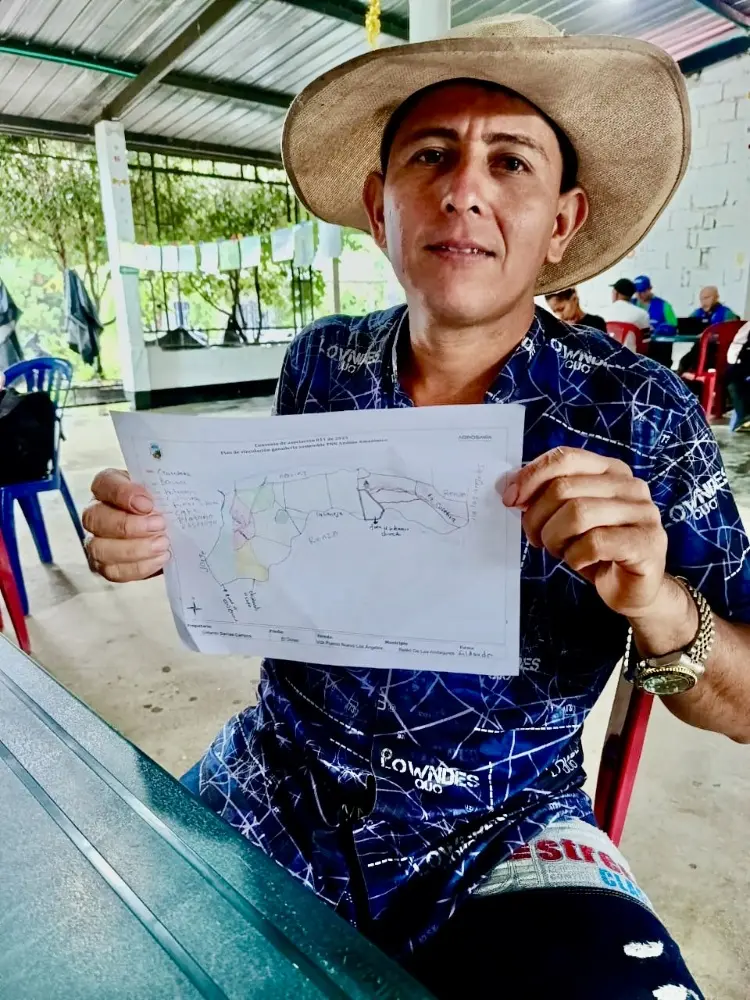
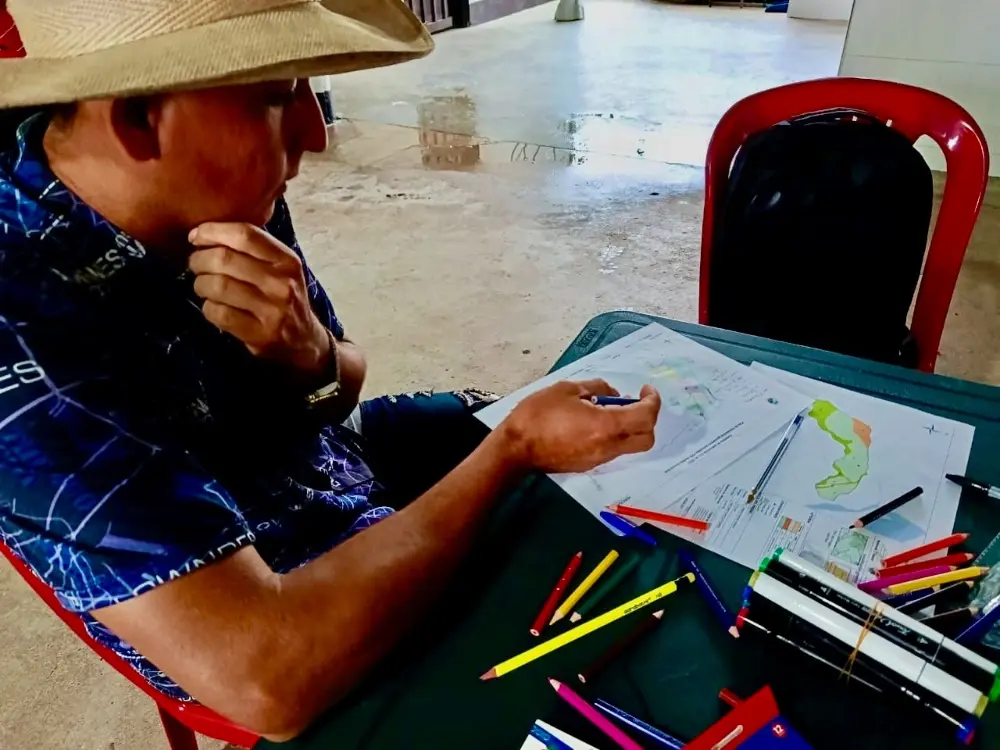
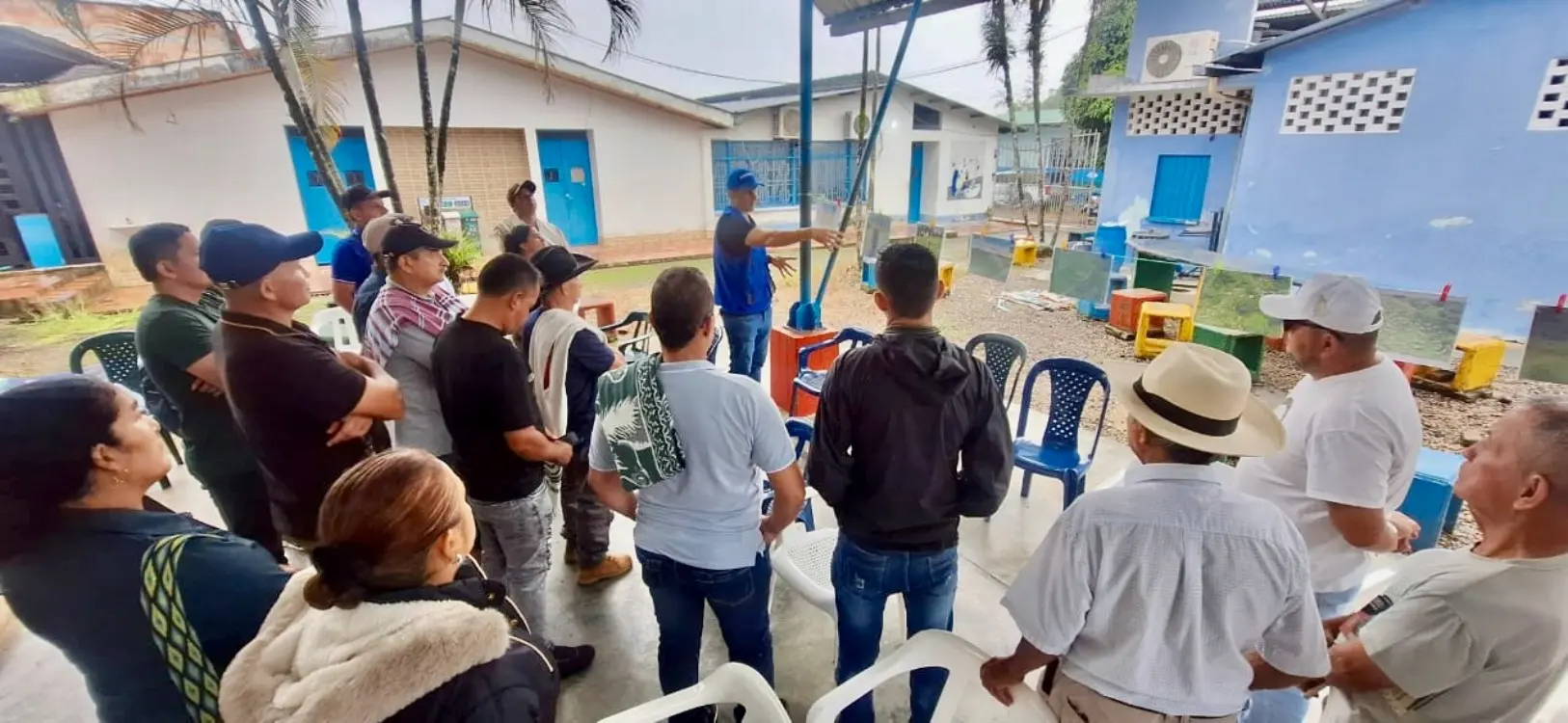
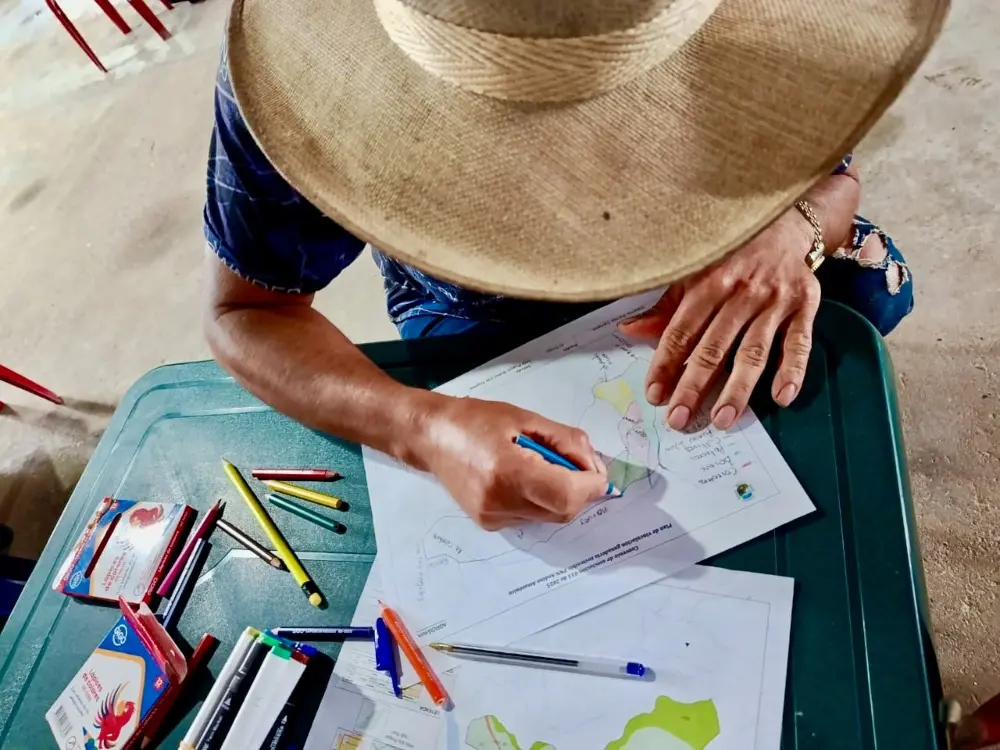
The commitment extends beyond this territory. In Belén de los Andaquíes, where the Pescado River serves as the municipality's main watershed and ecological heart—a lifeline and symbol of the natural heritage of this Andean–Amazon transition region—another 23 producers participated in the same process. Working together with maps and planning tools, they identified priority areas for conservation and sustainable production and agreed on the financial investments needed to implement the Sustainable Systems for Conservation (SSC), bringing this shared vision into action.
In both territories, the priority actions speak the same language: silvopastoral systems integrating trees, forage, and livestock; pasture restoration; paddock subdivision; improvements to livestock infrastructure; strengthened animal health and nutrition; and the protection of areas designated for the conservation and ecological restoration of strategic ecosystems.
In this way, the project goes beyond technical interventions. It safeguards essential ecosystem services—including clean water, clean air, and healthy soils—restores ecological connectivity across a biodiversity-rich landscape, and strengthens the long-term sustainability of rural livelihoods within the area of influence of Alto Fragua Indi Wasi National Natural Park.
Within this context, AGROSAVIA is doing more than conducting research—it is transforming realities. Through the Andean–Amazon Sustainable Livestock Engagement Plan, the Corporation is demonstrating that livestock production systems can be successfully transitioned toward regenerative models, where productivity and natural resource conservation are no longer seen as competing objectives but as mutually reinforcing priorities. Every silvopastoral system established, every paddock strategically subdivided, and every hectare set aside for ecological restoration stands as tangible evidence that productive landscapes and tropical forests can coexist in harmony.
In this way, AGROSAVIA is not only forging new productive practices; it is forging, from the watersheds of the Fragua and Pescado rivers, a future in which livestock production becomes a tool for water resource protection, a corridor for biodiversity conservation, and a sustainable livelihood for the families who call this land of forests and rivers their home.
- More information here:
- José Dario Ule Rodriguez
- Communications, Identity and Corporate Relations Professional
- Office Florencia
- Communications, Identity and Corporate Relations Advisory Office
- jule@agrosavia.co
- AGROSAVIA