


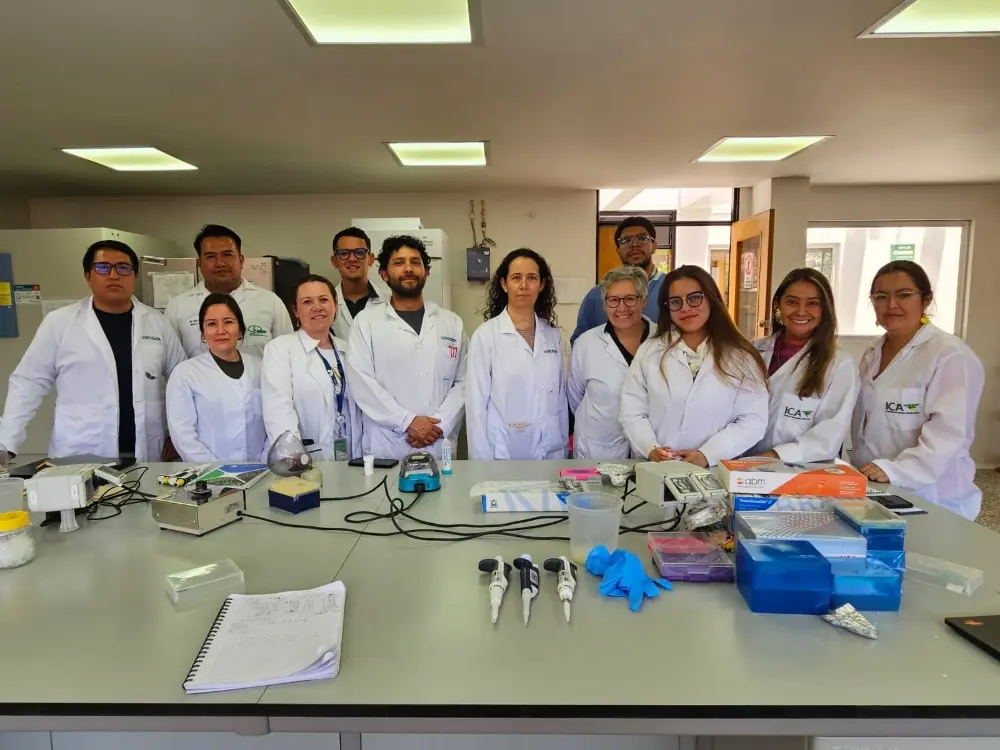
- With the support of FONTAGRO, researchers from Colombia, Ecuador, Peru, and Chile participated in a workshop to strengthen the detection of phytoplasmas, pathogens associated with the disease known as purple top, which threatens potato crops and other solanaceous species in the Andean region.
Mosquera, Cundinamarca. March 4, 2026. Researchers from South America gathered at Universidad Militar Nueva Granada and AGROSAVIA`s Tibaitatá Research Center to strengthen their capacities in the detection of phytoplasmas—microorganisms associated with the disease known as potato purple top—which in recent years has become a growing concern for agriculture in the Andean region.
The meeting, funded by FONTAGRO, brought together specialists from AGROSAVIA and the Colombian Agricultural Institute (ICA, for its Spanish acronym) of Colombia, INIAP of Ecuador, INIA of Peru, INIA of Chile, and Universidad Militar Nueva Granada. Over several days, participants exchanged methodologies and experiences to improve the diagnosis of these pathogens.
The disease initially appeared in Ecuador and has subsequently been reported in the department of Nariño, with indications of possible expansion to other countries in the region. Its impact can be devastating for potato production, a crop that is essential to the economy and food security of millions of people in Latin America.
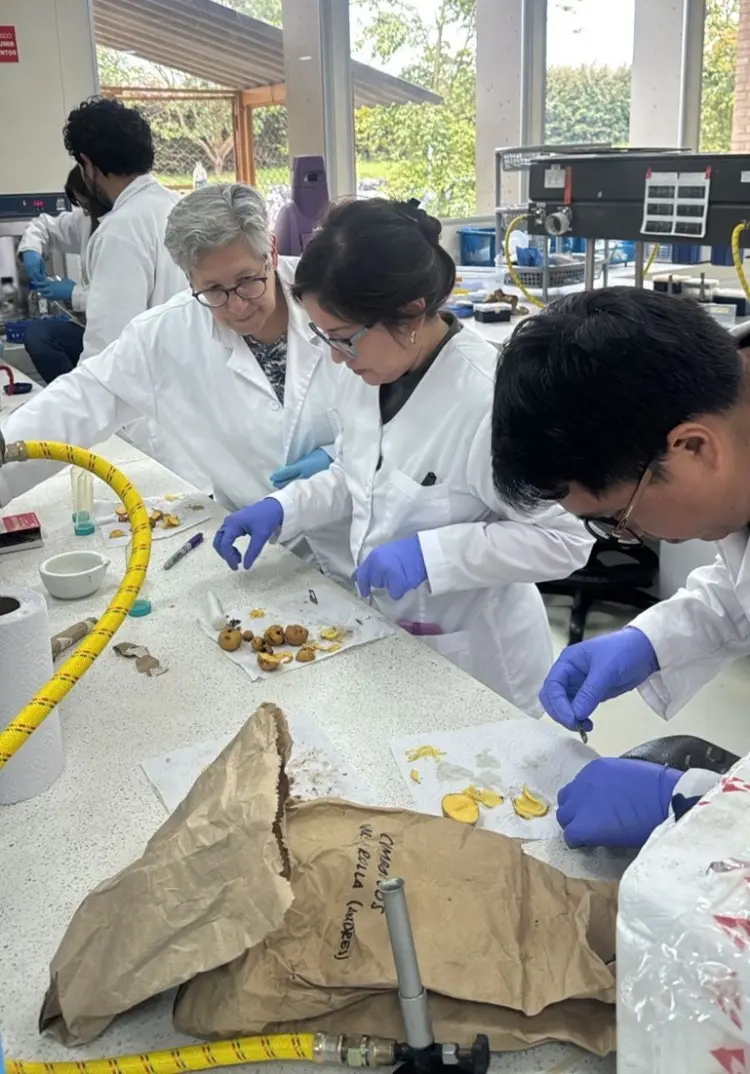
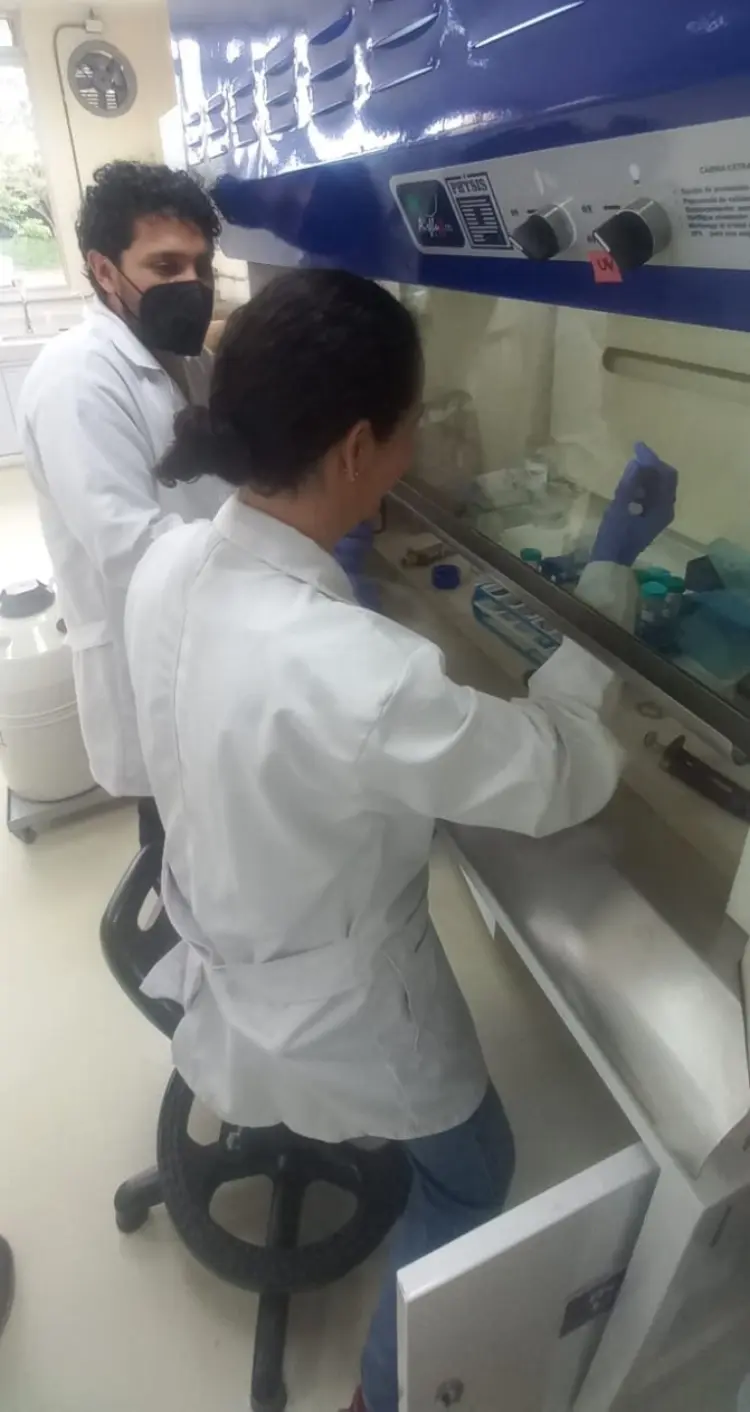
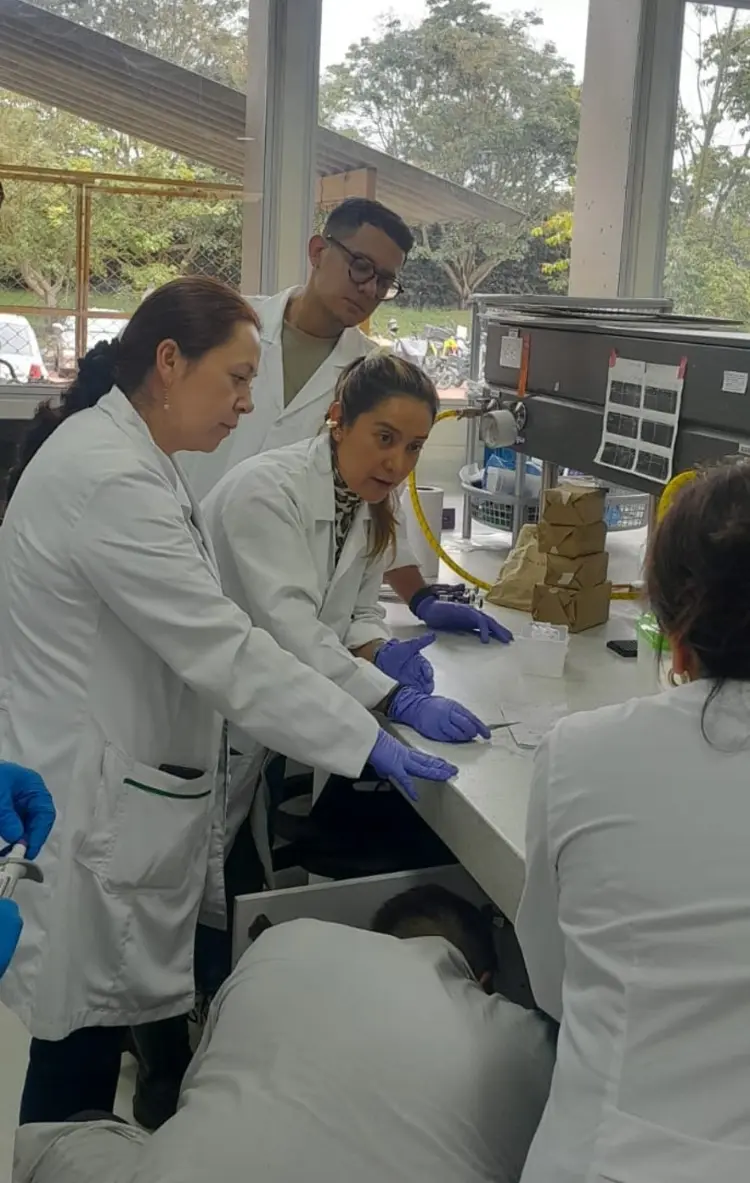
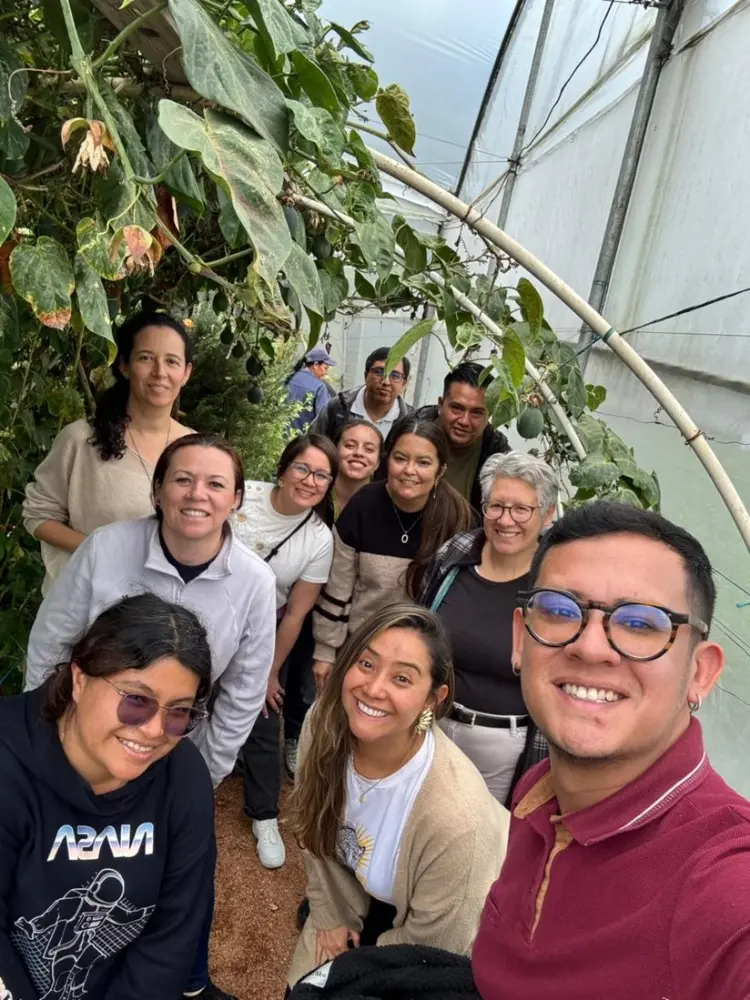
According to Dr. Liliana Franco Lara, Professor at Universidad Militar Nueva Granada, one of the main challenges is that the pathogens associated with this disease, such as phytoplasmas and the bacterium Liberibacter, remain poorly understood and difficult to study. The researcher explained, “These pathogens are still largely unknown, and there is very limited information about them. In the case of phytoplasmas, we have developed expertise over many years on how to detect them, because they are widely distributed in the Sabana de Bogotá region in trees, grasses, and crops such as potato and strawberry,” the researcher explained.
Franco Lara highlighted that knowledge exchange among institutions and countries is key to addressing this scientific and productive challenge. “It has taken me nearly 20 years to acquire this experience. If that knowledge is shared, others can start from a more advanced point and solve the problem more quickly,” she noted.
During the workshop, researchers worked on standardizing methodologies for the molecular detection of these pathogens across different crops in the Solanaceae family, such as potato, chili pepper, and cape gooseberry. These advances will allow to improve diagnostics, better understand the epidemiology of the disease, and design management strategies to reduce its impact in the field.
In addition to strengthening technical capacities, the meeting helped consolidate scientific collaboration networks across the region. “When we share our experiences, we not only learn from one another; new ideas, projects, and partnerships also emerge that will allow us to work together in the future,” the researcher concluded.
- More information here:
- María Elena Londoño Rubio
- Communications, Identity and Corporate Relations Professional
- Research Center Tibaitatá
- Communications, Identity and Corporate Relations Advisory Office
- melondono@agrosavia.co
- AGROSAVIA