

- Design of productive strategies that strengthen food security and food sovereignty through an agroecological approach, tailored to the realities and needs of each region, while integrating intercultural dialogue processes.
- The strategy is being implemented across four strategic areas throughout the national territory: the Andean region, the Pacific-Insular region, the Amazon region, the Caribbean region, and the Magdalena Medio region.
Florencia, Caquetá. May 6, 2026. Deep in the heart of Caquetá, where rivers and mountains merge into a single breath of rainforest, food security fights a silent battle against neglect, climate challenges, and inequality. There, where the land preserves memories of wounds and harvests, Corporación colombiana de investigación agropecuaria - AGROSAVIA - has chosen to plant a flag of science rooted in the spirit of the countryside. In partnership with the Ministry of Agriculture, the project "Development of Productive Strategies for Food Security and Food Sovereignty with an Agroecological Approach," which is a bridge connecting the laboratory and the rural trails, ancestral knowledge and technical precision, is making progress.
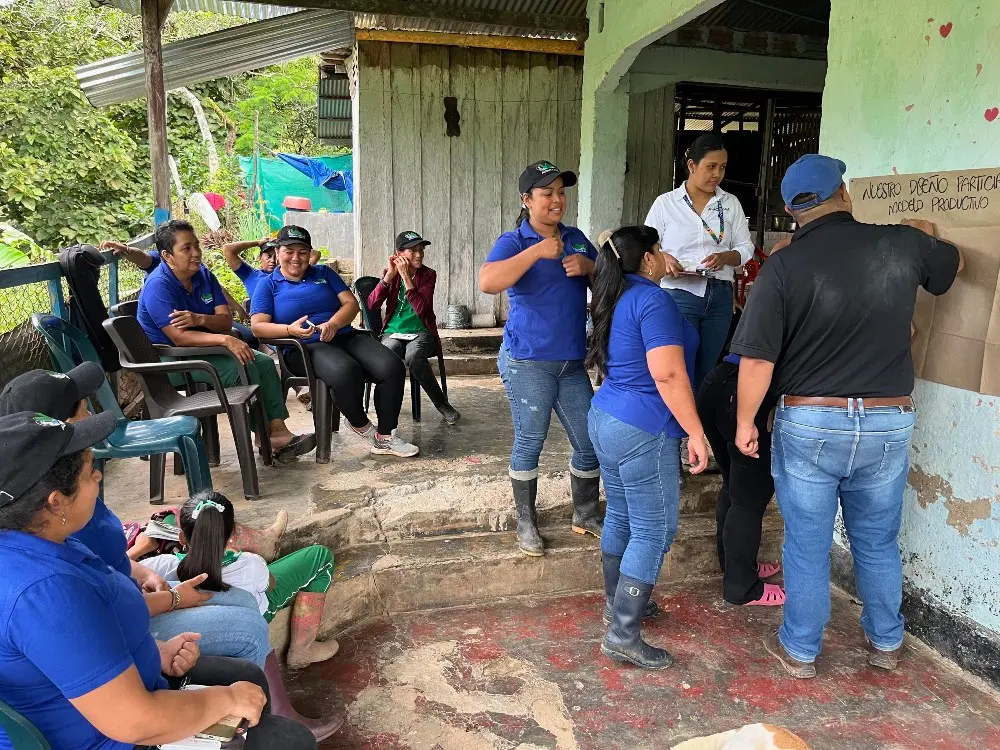
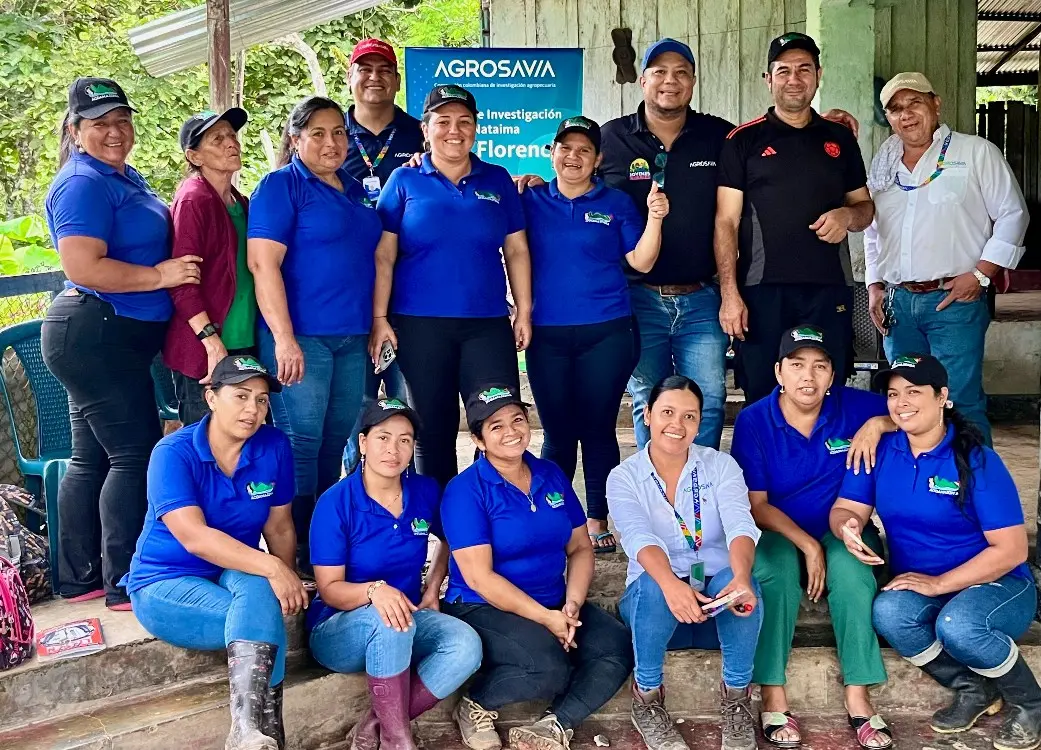
This is how the research group from the Florencia Costayaco Office reached the village of Las Damas, a name that is no coincidence. There, where mud stains both boots and dreams take root, they met the Rural Women of the Amazon Association Las Damas (ACDAMAZONIA): women who sow, produce, and make decisions. Women who, with hands marked by fertile soil, are breaking the historical chains that denied them access to resources, knowledge, and recognition.
They are the guardians of the world's lungs. In their hands, agrochemicals have no place: only fertilizers that carry the scent of the forest, crop rotation systems that mirror nature's cycles, and an unwavering belief that the land can produce without poison. Without ever calling themselves such, they are builders of peace. Because in a region scarred by armed conflict, producing without destroying is an everyday act of resistance; cultivating the land means weaving together the community, trust, and the power of the spoken word once again.
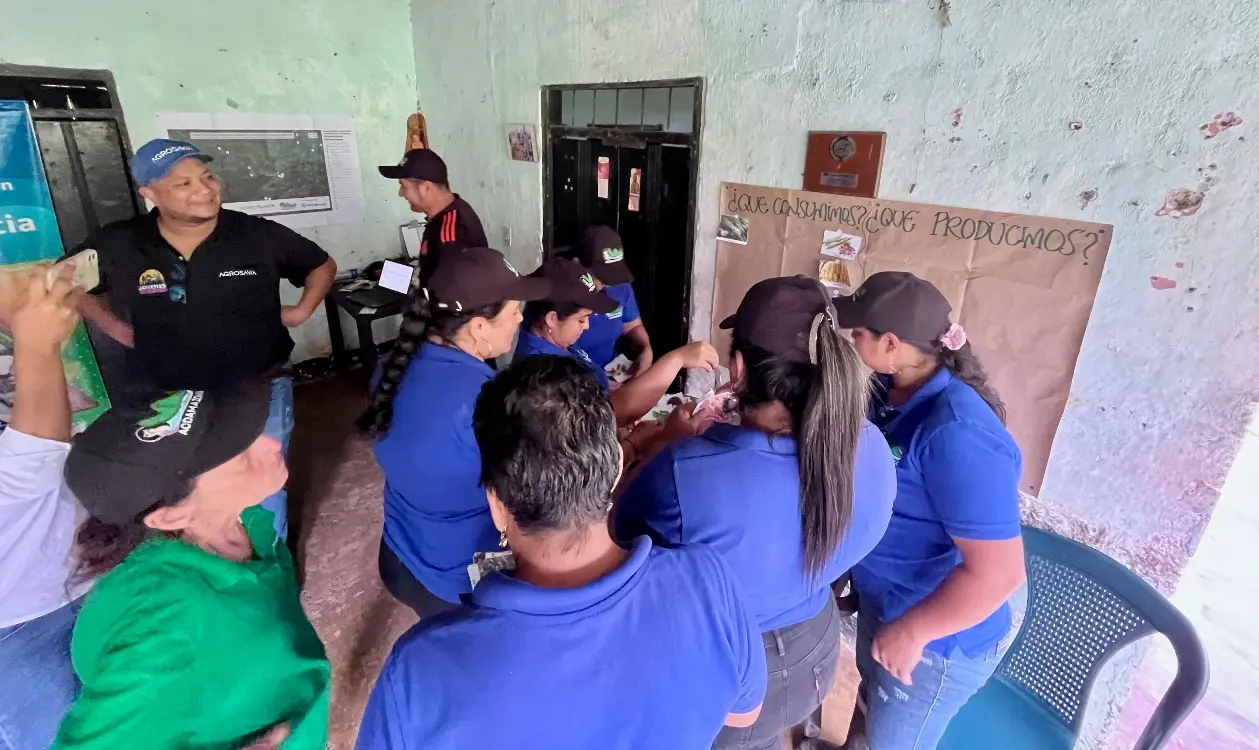
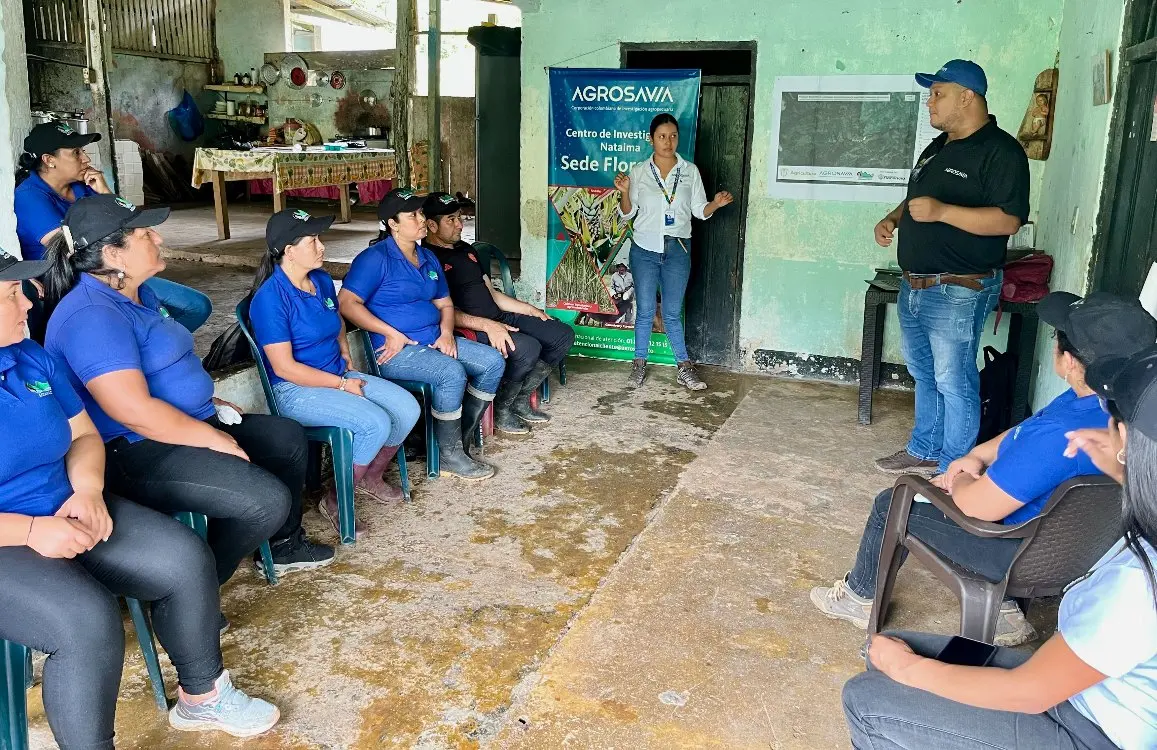
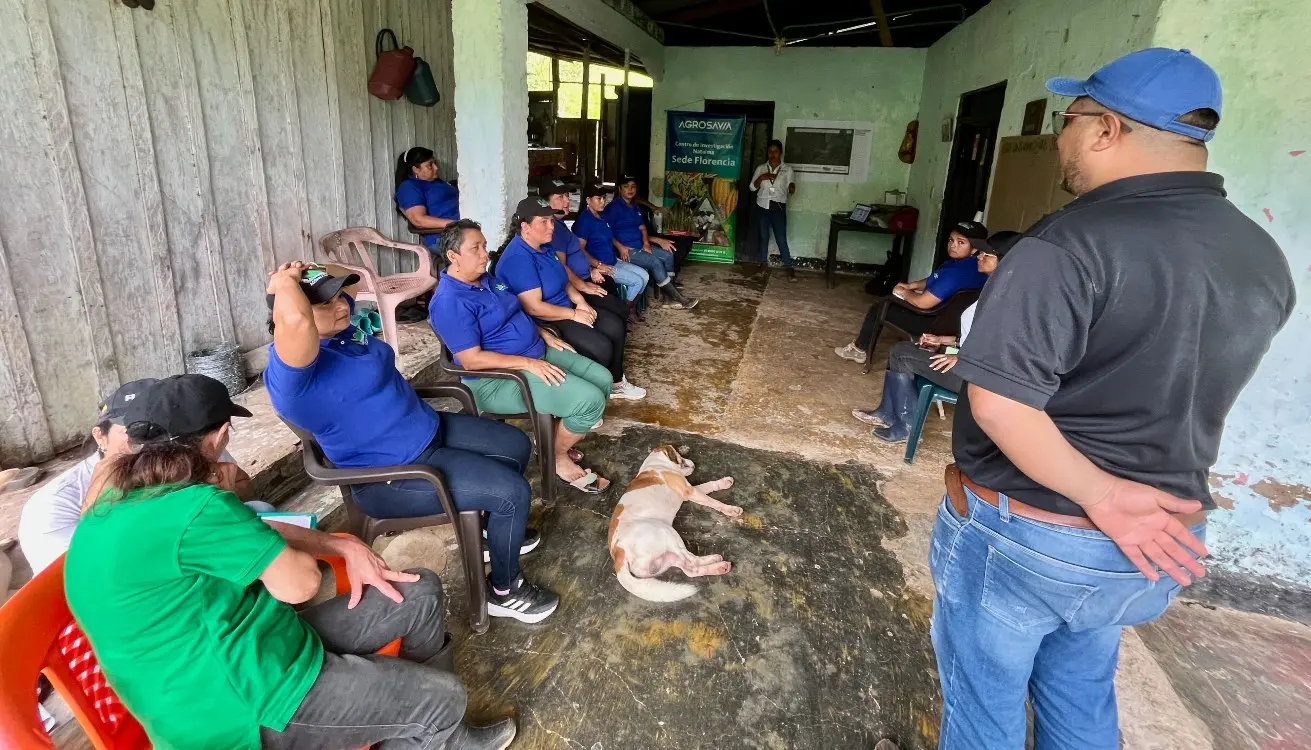
AGROSAVIA's work is not that of a scholar issuing directives from behind a desk, but of a traveler who learns while teaching. It does not transfer technology: it co-creates it. Thus, standing beside the furrows, the dialogue between researchers and rural women gives shape to three treasures:
- Territorial agroecological models that are not born from abstract maps, but from shared labor and respect for every climate and every culture.
- Participatory implementation and evaluation, where the field notebook carries two signatures: the scientist's and the farmer's, both observing the same planted furrow.
- Dissemination tools to ensure that what is learned in one corner of the Amazon does not fade into oblivion, but instead travels, like seeds carried by the wind, to other soils across Colombia.
And at the center of it all, it is they—rural women, as the driving force, as both root and blossom. Because what is happening in Las Damas is not a minor initiative: it is living proof that innovation and tradition can rest together beneath the same palm-thatched roof. And that when rural women take hold of decision-making power, the entire territory becomes fairer, more resilient, and more sovereign.
- More information here:
- José Dario Ule Rodriguez
- Communications, Identity and Corporate Relations Professional
- Office Florencia
- Communications, Identity and Corporate Relations Advisory Office
- jule@agrosavia.co
- AGROSAVIA