


Mosquera, Cundinamarca. February 17, 2026. You may have heard this term recently, so let us explain it in simple terms. Bioeconomy is essentially a new name for a way of producing based on biological resources: living organisms, their products, biological processes, or knowledge derived from biology, all aimed at generating value—that is, income. In short, it encompasses any activity that harnesses nature to create economic well-being, under one fundamental principle: doing so sustainably to ensure it endures and prospers over time.
This vision has been promoted both in the European Union and across the Americas as a key strategic approach. The objective is for everyone—producers, traders, and consumers—to benefit from biologically based production throughout the entire value chain that brings food from the field to the table.
It is important to clarify that this is not the only way of doing things. There is also “circular economy,” which seeks to reuse materials repeatedly (often synthetic ones), and “green economy,” which ensures that economic activities do not harm the environment. However, when what we reuse is biological, we are referring to a circular bioeconomy (Figure 1).
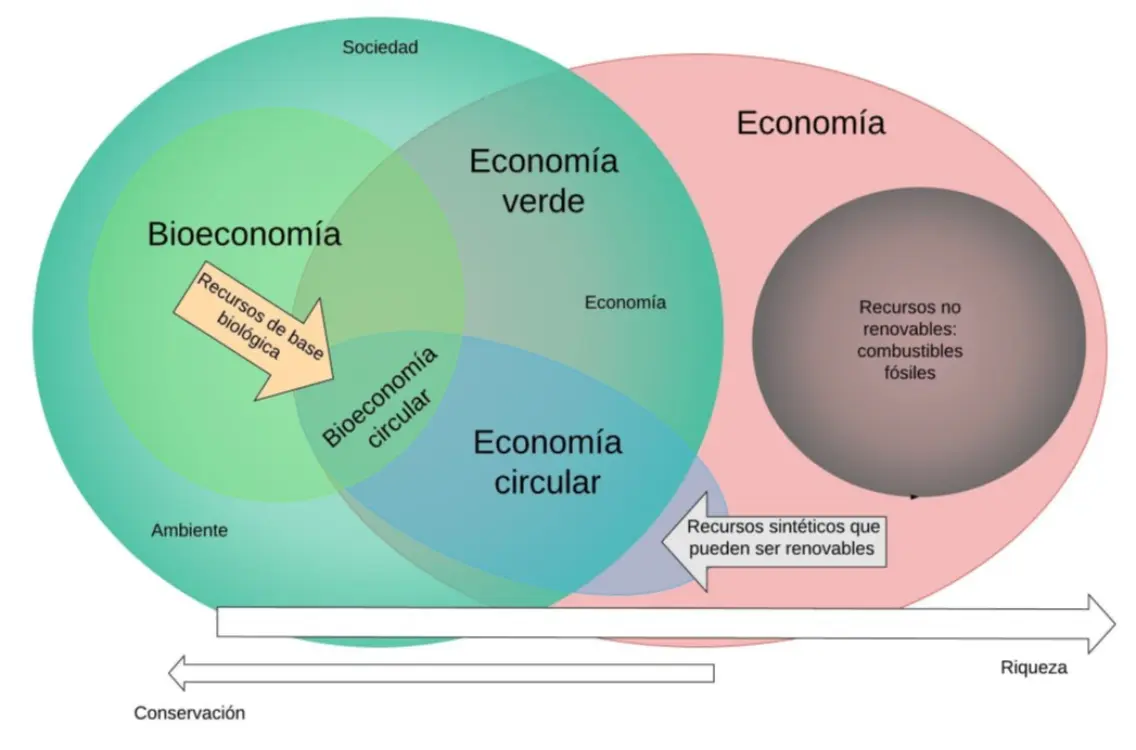
Figure 1. Venn diagram illustrating the relationship between bioeconomy, circular economy, and green economy. Source: Pulido-Blanco and Núñez (2026).
The opportunity for Colombia
In Colombia, the 2019 Mission of Experts (Misión de Sabios) identified bioeconomy as a major opportunity for the country to leverage its vast richness and biodiversity to produce more and better. We know that “we have it all,” but the first step is to determine precisely what we have to understand how to use it effectively.
With this in mind, AGROSAVIA adopted a measurement tool used in countries such as Costa Rica and by organizations like IICA. To ensure proper implementation, we first piloted and refined it with the support of partners in the Dominican Republic by assessing their coffee value chain. Once validated, we applied it here in our own country.
What did we find in our fields?
We assessed the potential of key value chains: greenhouse-grown tomatoes in Boyacá and Cundinamarca, as well as avocados and passion fruits (maracuyá and gulupa) in Meta, Tolima, and Huila.
The findings were revealing. For example, we discovered that 5% of harvested tomatoes are lost, excluding plant residues or greenhouse waste. Currently, these “surplus” tomatoes are often discarded or wasted. Through a bioeconomy approach, however, they can be transformed into higher-value products—from natural dyes and oils to animal feed (concentrates) for cattle and swine.
Boyacá and Cundinamarca generate sufficient surpluses to support the development of these new products, and, most importantly, Cundinamarca has the technical expertise and processing equipment required. The same applies to other crops: valuable oils can be extracted from avocados, and passion fruit production can foster bio-tourism, just as coffee has successfully done.
At your service
We now know the what and the how; with adequate financing, we will be able to define the who to establish these new rural industries. All of this knowledge has been documented in our publications.
When we learned to use the tool and assessed the potential of the Dominican Republic’s coffee value chain (Figure 2).
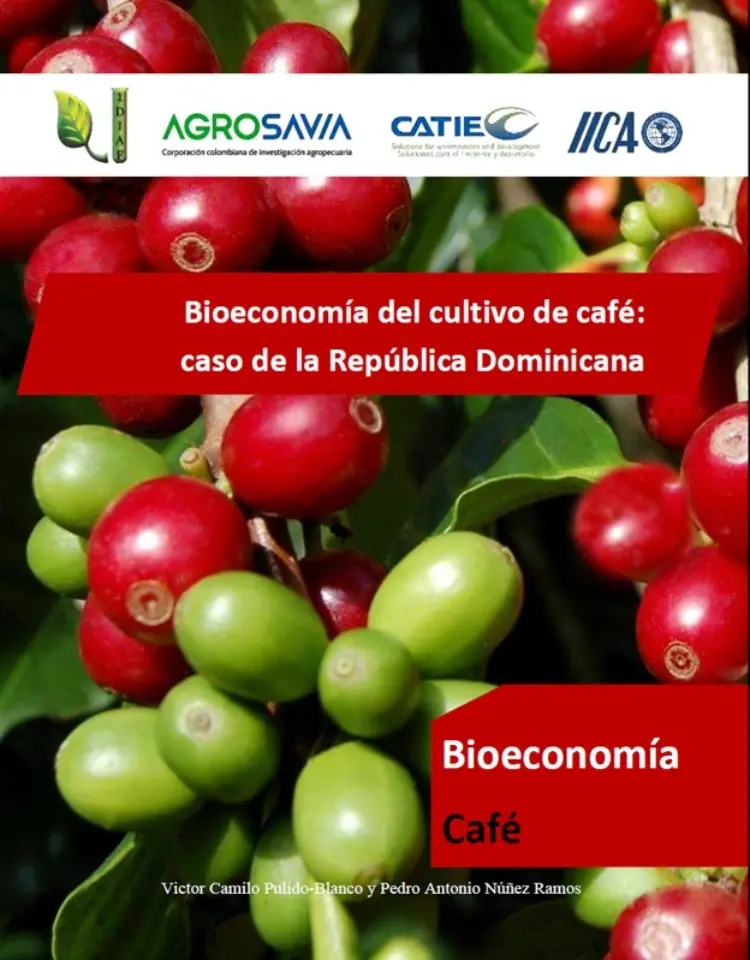
Figure 2. Cover of the Coffee Bioeconomy book. Source: Pulido-Blanco and Núñez (2026).
And to you, producer friend—whether you grow potatoes or cereals, or raise dairy and beef cattle—you must know that we also have recommendations tailored to your production system. At AGROSAVIA, we are pleased to work together with you, fostering dialogue and partnerships so that you can fully capitalize on everything your farm produces. Our goal is clear: for rural areas to produce more, for cities to eat better, and for Colombia to move forward.
- More information here:
- María Elena Londoño Rubio
- Communications, Identity and Corporate Relations Professional
- Research Center Tibaitatá
- Communications, Identity and Corporate Relations Advisory Office
- melondono@agrosavia.co
- AGROSAVIA