

- The Rural Youth project is an initiative of the Ministry of Agriculture and Rural Development, implemented by AGROSAVIA in 50 Rural Educational Institutions across 19 departments of the country, benefiting 9,600 people, including students, parents, and rural organizations.
- In the department of Cauca, during the 2024–2025 period, the project was implemented in 5 municipalities: San Sebastián, El Tambo, Guapi, Timbiquí, and Silvia.
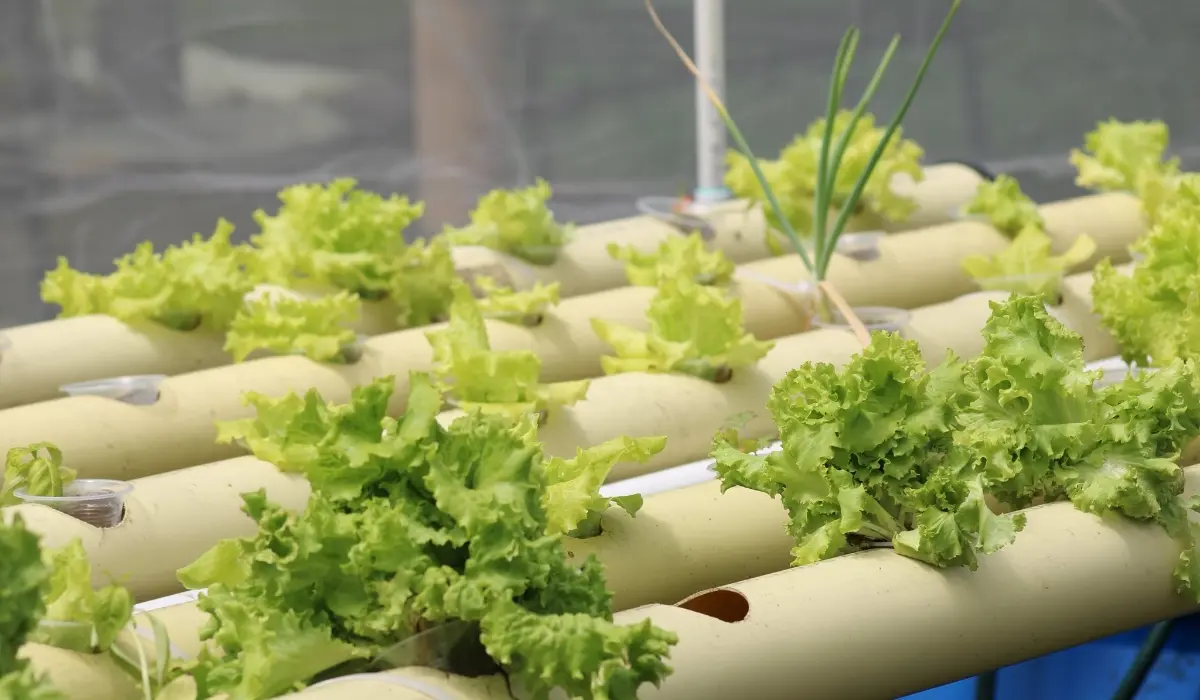
- The training environments, strengthened through the project at the Marina Beltrán Educational Institution in Silvia, included an aquaponics system, an apiculture showcase, a biofertilizer production facility, a modular composter, and value-addition equipment for fruit crops.
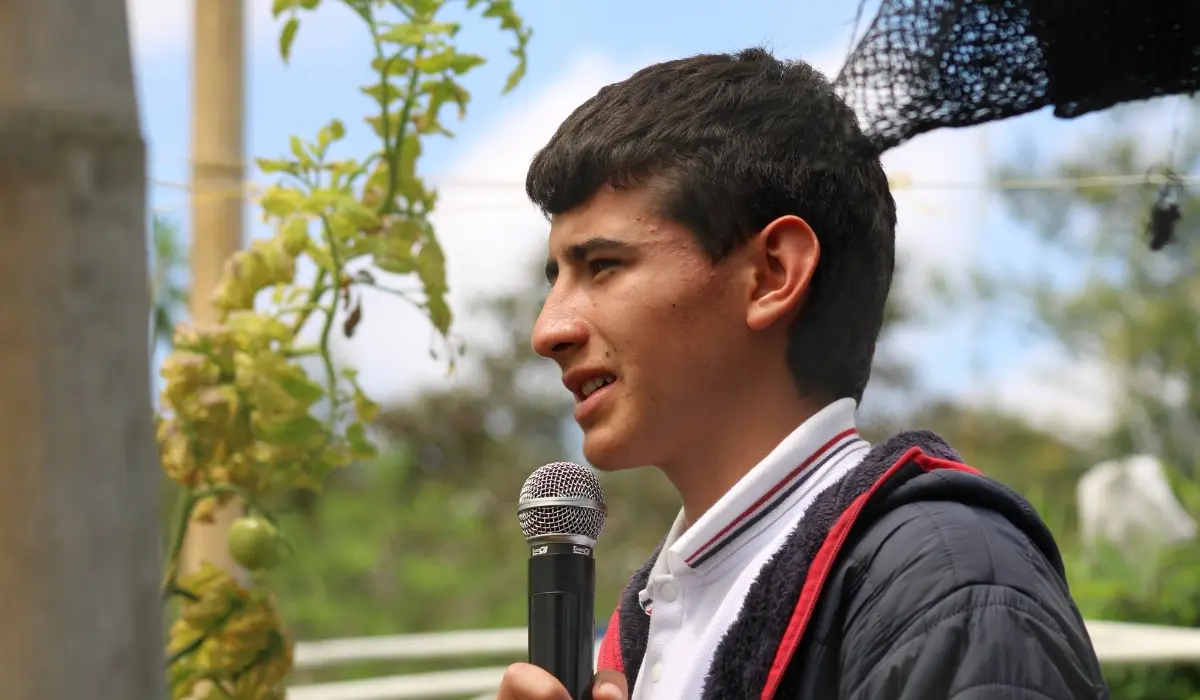
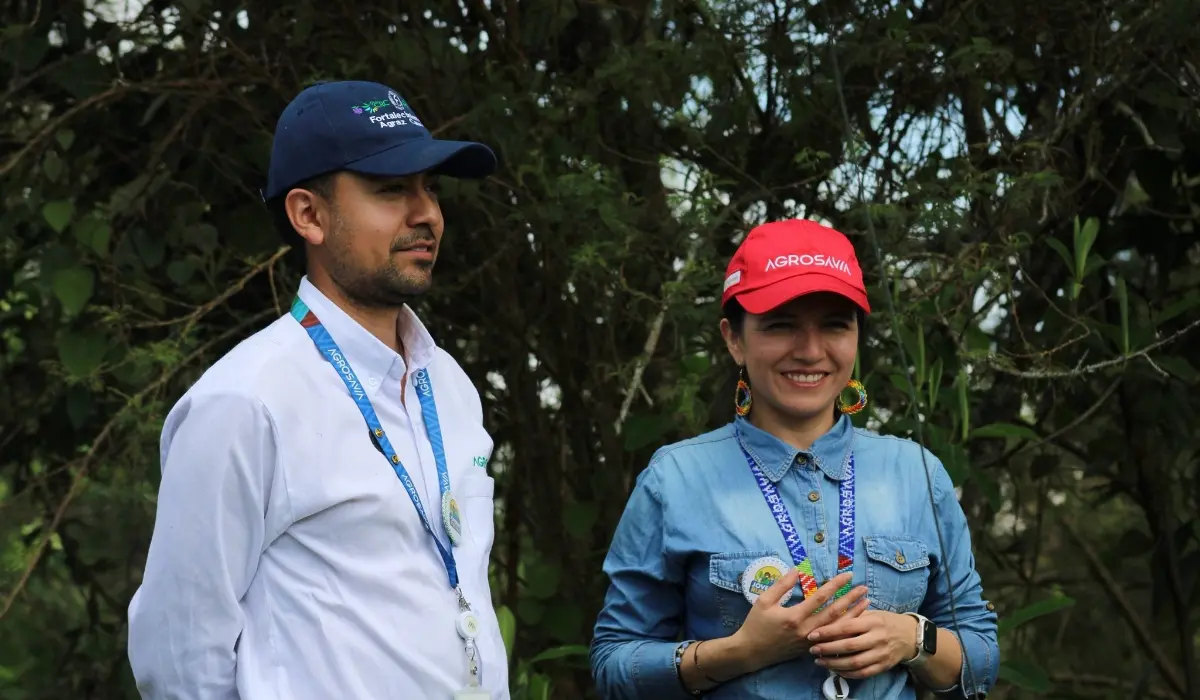
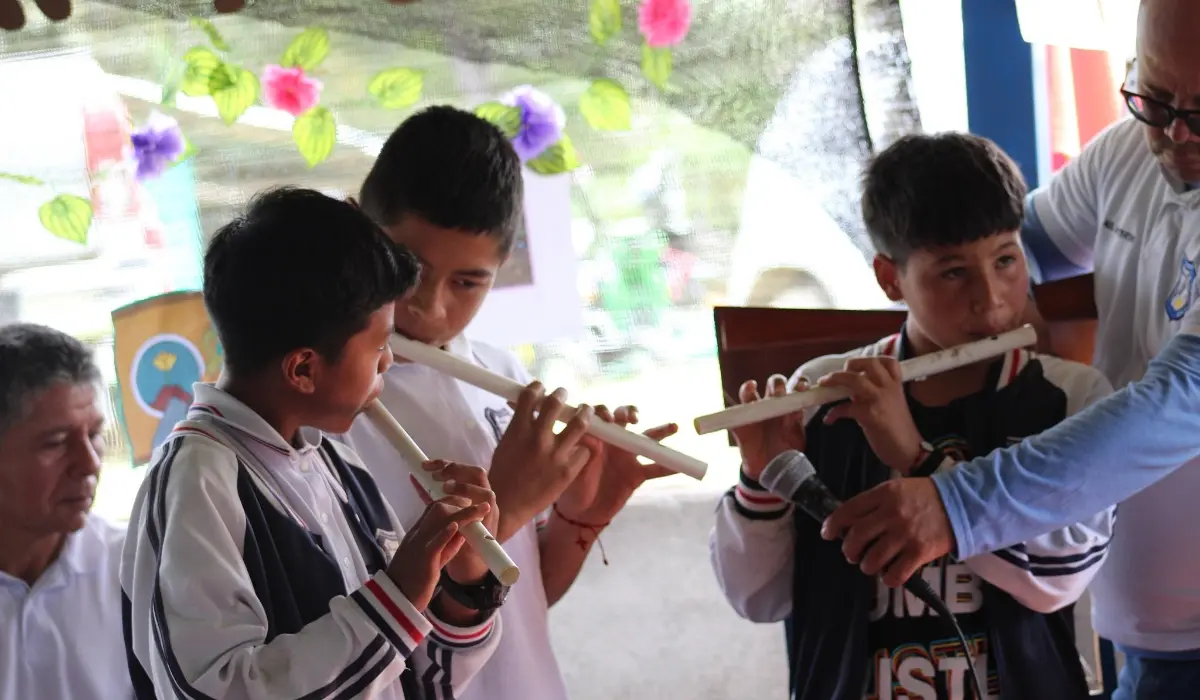
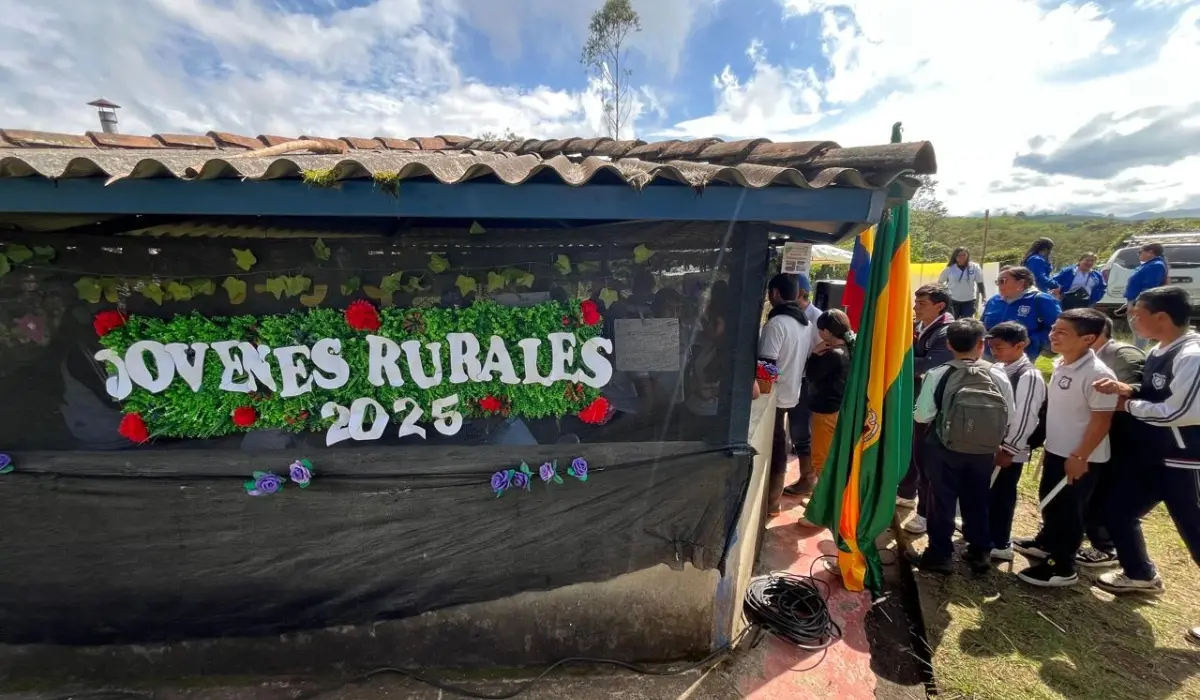
Popayán, Cauca. November 28, 2025. Amid music, dance, smiles, and a deep sense of gratitude, the educational community of the Marina Beltrán Educational Institution, in the municipality of Silvia, Cauca, opened its doors to share the results, learnings, and challenges identified by the Rural Youth project funded by the Ministry of Agriculture and Rural Development and implemented by the team of the Corporación colombiana de investigación agropecuaria – AGROSAVIA, from the Popayán Headquarters and the Palmira Research Center.
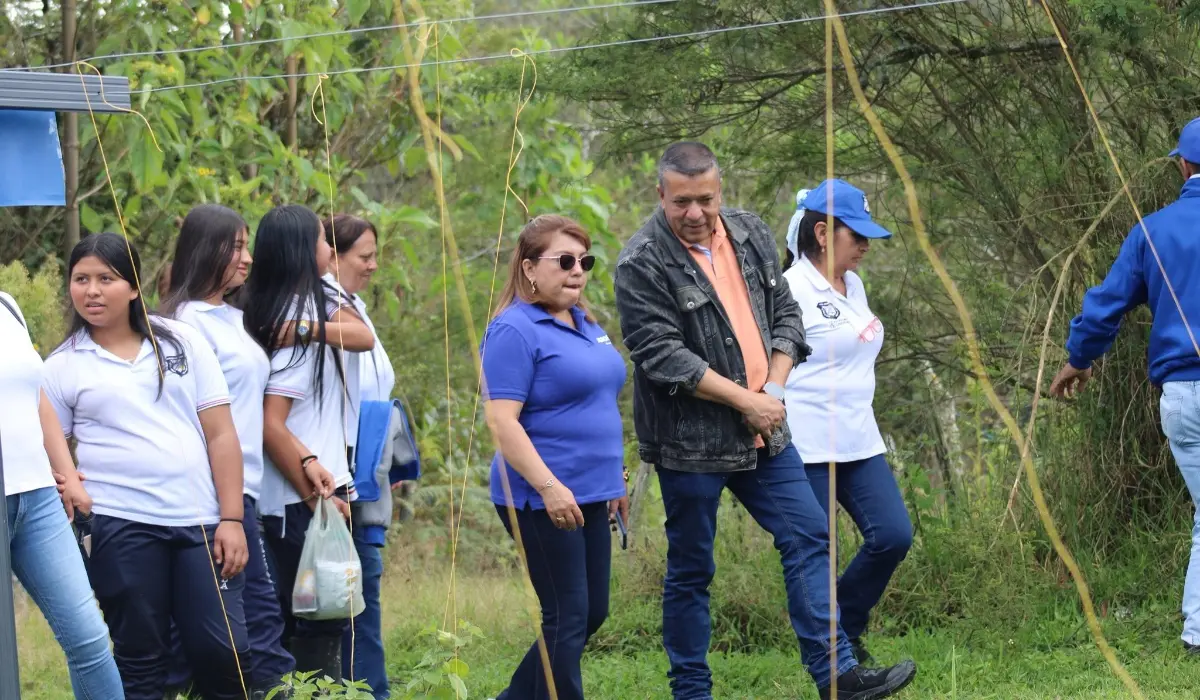
"Through a participatory process, the dreams, ideas, and expectations of rural youth were transformed into real spaces for training, innovation, and appropriation of the Usenda district, where the educational community is located. During the event, ninth-, tenth-, and eleventh-grade students, together with their teachers and administrators, presented their learnings, challenges, and projections for each training environment, and recognition was given to students and teachers, highlighting their commitment, enthusiasm, and dedication throughout the project. Their reflections emphasized the role of rural youth as protagonists in the territory's productive and social transformation," shared Cindy Marcela Guzmán, Regional Innovation Coordinator at AGROSAVIA's Popayán Headquarters.
The results:
The institution has now strengthened environments that promote technical learning, sowing hope and new productive opportunities for the region.
The aquaponics system with photovoltaic backup: Identified by students as "a balance that feeds the future," because it integrates fish and vegetable production, and it has become a living laboratory where science engages in dialogue with rural tradition, demonstrating that it is possible to produce while caring for the environment.
The apiculture environment: enables the strengthening of skills in technical management, honey harvesting, and hive control while recognizing the essential role of bees in local biodiversity and promoting a culture of conservation.
The biofertilizer production facility and eco-friendly modular composter: used to create organic fertilizers, where biological cycles can be identified through the use of waste, promoting a circular economy and reinforcing skills for sustainable agriculture.
And the blackberry and goldenberry crops established with appropriate agronomic management drive productive diversification and provide students with tools to replicate these practices in their own homes.
Finally, the provision of equipment for value addition in fruit crops opens opportunities for school and community entrepreneurship, strengthening short commercialization chains and developing products with territorial identity.
"The project permanently involved 38 ninth-, tenth-, and eleventh-grade students, technical-area teachers, and the school administration in various activities, including nine training workshops under theoretical–practical and dynamic methodologies, which provided knowledge and strengthened their technical capacities related to the pedagogical–productive projects and strengthened training environments. In addition, eight community leaders accompanied the project during the consultation, implementation, and feedback phases," concluded Cindy Marcela Guzmán from AGROSAVIA.
The allies:
These training spaces fostered coordination with allied entities present in the territory: SENA of the Cauca regional office, through its CAMPESENA program, contributed with knowledge and strengthened capacities in aquaponics, composting, and rural agroindustry; FAO encouraged students to become content creators about the experiences of their educational community and promoted environmental practices within the framework of the sustainable livestock project; and the Municipal Mayor's Office of Silvia provided technical support and will continue to support the processes initiated by the Rural Youth project.
The Marina Beltrán Educational Institution is consolidating itself as a benchmark for innovation, sustainability, and capacity building in the department of Cauca. This project demonstrates that when efforts are coordinated and rural youth are heard, education becomes a true engine of change, identity, and hope for communities.
- More information here:
- Claudia Narváez Marmolejo
- Communications, Identity and Corporate Relations Professional
- Research Center Palmira - Popayán
- Communications, Identity and Corporate Relations Advisory Office
- cnarvaez@agrosavia.co
- AGROSAVIA