


Cattle and Minor Species Innovation Network
Manager
Hernando Florez Diaz CRIS AGROSAVIA
Scope
Contribute to the modernization, transformation, and efficiency of livestock production systems through a landscape-based approach, by fostering coordination among agri-food system stakeholders, value chains, and public policies. This effort aims to generate and integrate high-impact technologies that are resilient, competitive, socially and environmentally responsible, and aligned with the Sustainable Development Goals.
Goals
-
🌿 Promote the sustainability of the foundational resources of livestock agroecosystems through a landscape approach that enhances their productive capacity, resilience, efficiency in resource use, and helps to mitigate and adapt to climate change and variability, while also contributing to biodiversity protection and the sustainability of rural populations, through a transition to agroecology in harmony with the environment.
-
🌾 Develop and implement sustainable forage production systems that support soil restoration, improve the nutritional quality of animal diets, and contribute to the production of higher-yielding, compositionally superior and more competitive products.
-
🐑 Identify, evaluate, and integrate locally adapted animal populations to obtain differentiated livestock products that meet the demands of national and international consumers, positioning them as key drivers of regional economies.
-
🧪 Develop, validate, and integrate technologies in reproduction, animal health, animal welfare, and processing, which together contribute to livestock production with quality and safety, ensuring food security and sovereignty, and promoting ecosystem health under a One Health and One Welfare approach.
-
🚀 Incorporate innovation strategies in the development and validation of processes that foster the generation of added value and enhance the competitiveness of livestock agri-food systems.
-
👥 Strengthen capacity building, social engagement, knowledge management and social appropriation, and promote the reconnection and reinvestment of human, social, and environmental capital into livestock agroecosystems.
Gallery
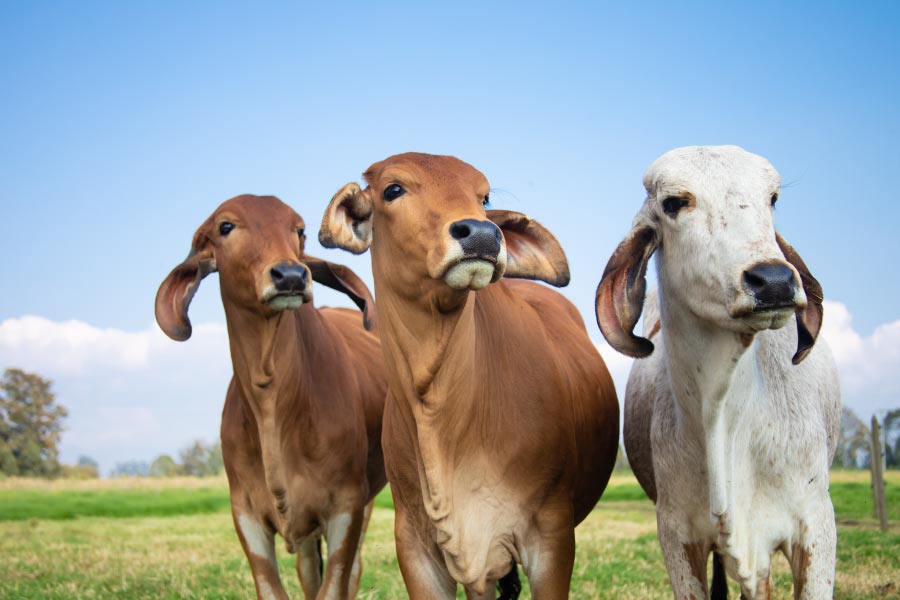
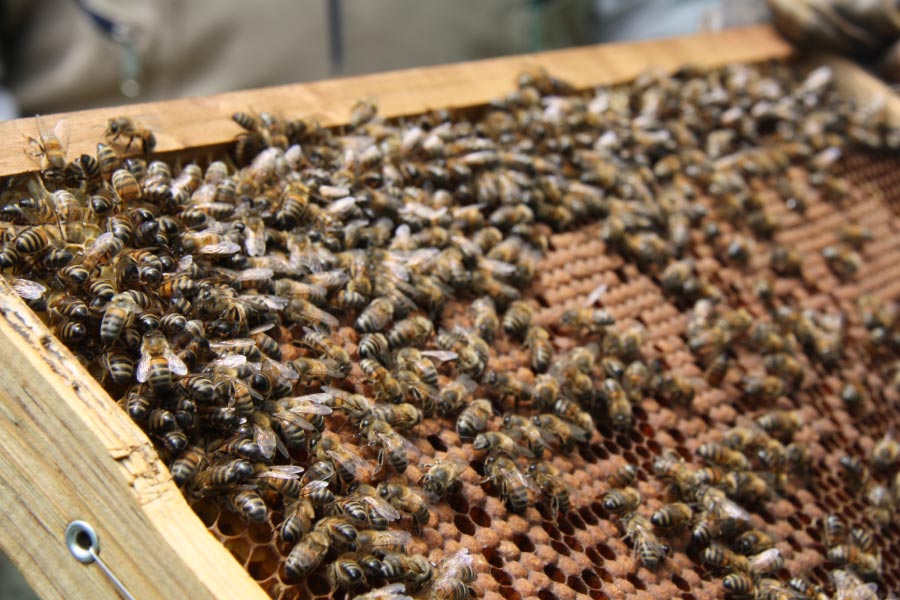
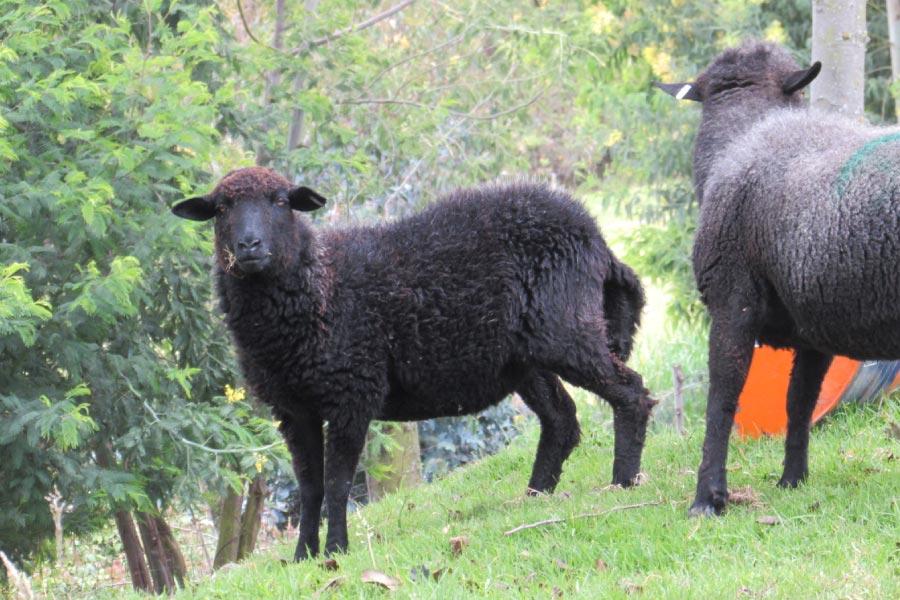
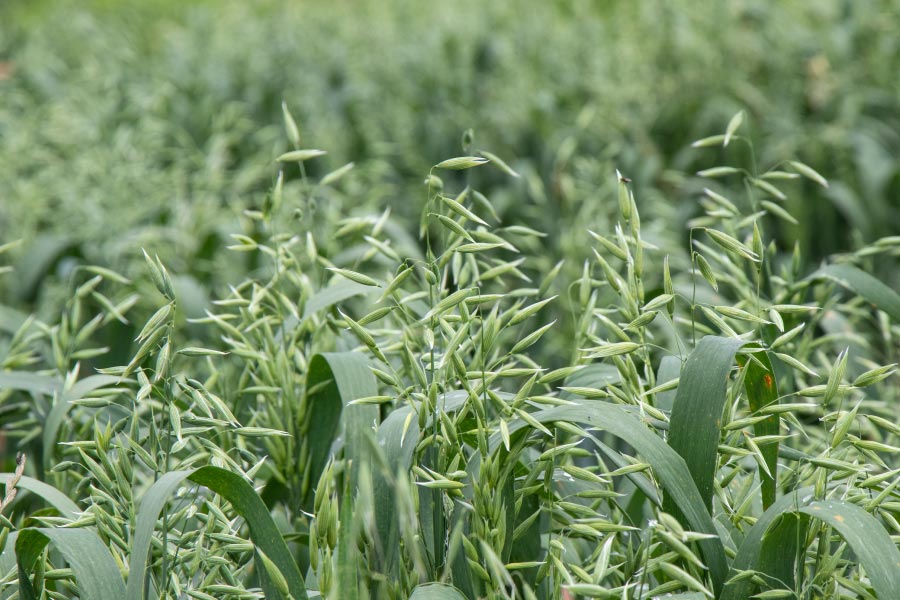
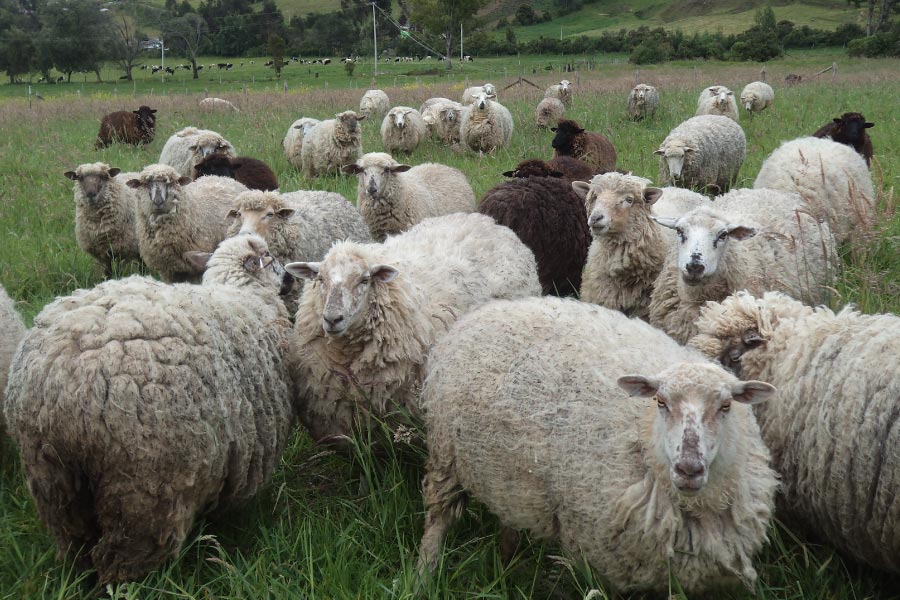
Knowledge that drives innovation
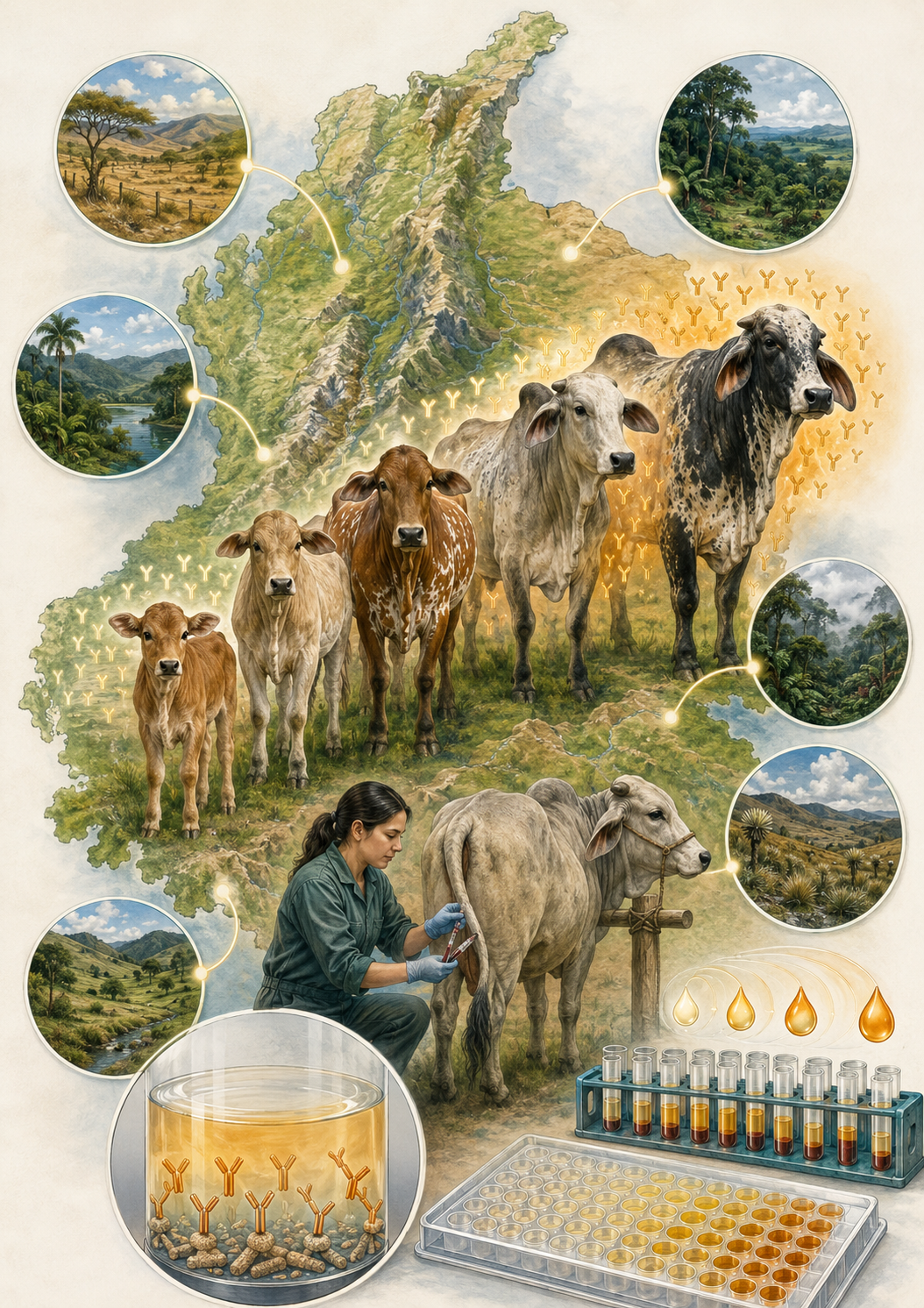
Age-related Mycobacterium avium subsp. paratuberculosis seroprevalence in Colombian cattle across 6 ecologic life zones
How widespread is paratuberculosis among Colombian cattle? Through longitudinal sampling across six ecological life zones in Colombia, the study assessed the presence of Mycobacterium avium subsp. paratuberculosis in cattle. Overall seroprevalence ranged from 30% to 38% and increased markedly with age, rising from approximately 10% in the youngest animals to nearly 50% in cattle older than three years. However, while antibody tests (ELISA) detected seropositivity, all molecular tests performed on fecal samples (qPCR) were negative. This highlights the need to combine diagnostic strategies to ensure reliable monitoring in cattle production systems.