


Permanent Crop Innovation Network
Manager
Natalia Flórez Tuta CRIS AGROSAVIA
Scope
Promote the productivity, competitiveness, and sustainability of production systems associated with (1) perennial species, (2) commercial plantations, and (3) non-timber species, through the generation of knowledge and environmentally friendly technologies derived from participatory and transdisciplinary R&D&I processes. These efforts aim to respond to territorial, regional, and national demands across all segments of the respective value chains.
- Perennial species: Includes all long-cycle species classified as shrubs or forest tree species, economically important palms, and coffee crops, provided they are not already covered by other innovation networks.
- Commercial plantations: Refers to the planting or cultivation of species established by human intervention for the purpose of obtaining and commercializing products and by-products. These plantations feature uniform planting densities and consist of individuals of the same age cohort (as defined in Decree 2398 of 2019).
- Non-timber products: Encompasses all products derived from plant species and their components—such as flowers, fruits, seeds, buds, roots, and leaves—that can be harvested without destroying the trees, palms, or shrubs that produce them. These are biodiversity-based products that are not wood-derived and that enable the sustainable development of new products (Ministry of Environment and Sustainable Development – MADS, 2021).
Goals
-
🧪 Generate and validate sustainable use and management practices for the production systems associated with the network, of social, environmental, economic importance and national potential, through participatory work, adapted to climate variability and change, that integrate traditional knowledge, territorial context, and promote sector competitiveness.
-
🌿 Develop alternatives for plant material production and genetic improvement programs, for the introduction / acquisition / conservation, evaluation, adaptation, and sustainable use of genetic resources of species associated with the network.
-
🧠 Strengthen territorial capacities through technology transfer processes and applicable knowledge to the production systems associated with the network, as a result of R&D&I processes developed by the corporation and third parties.
-
🥭 Generate and validate technologies for harvesting, post-harvesting, and processing, to obtain products and by-products with added value, derived from production systems associated with the network, contributing to food security and agro-industrial development in the territories.
Gallery
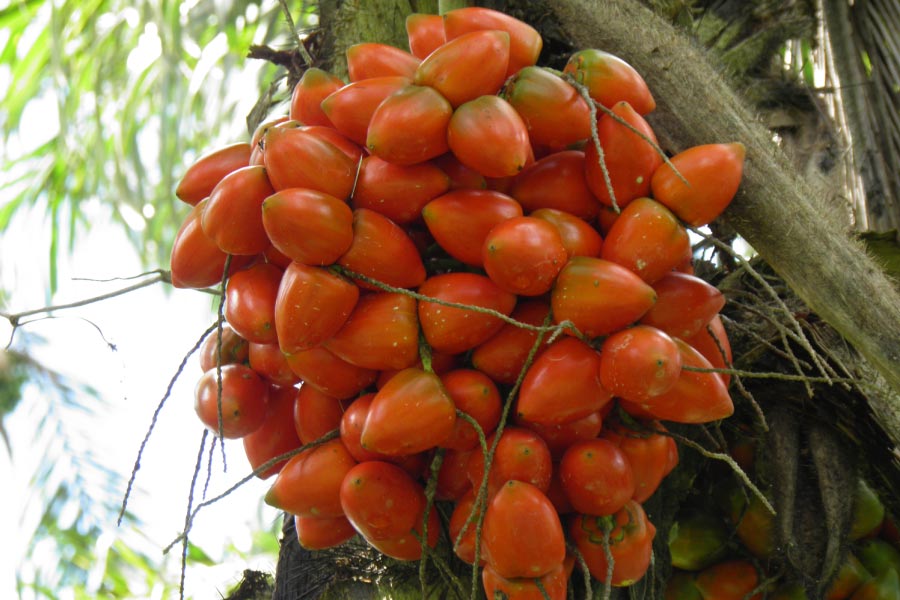
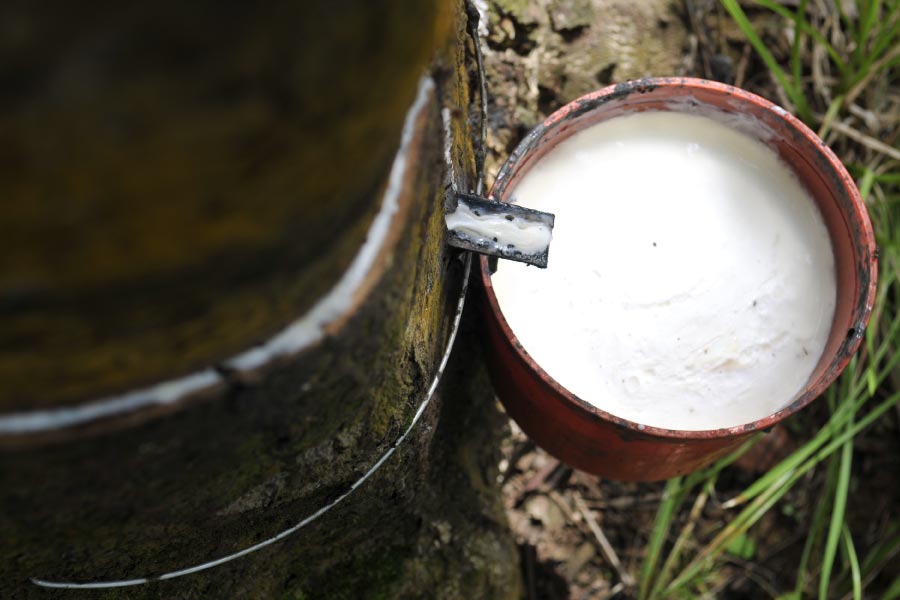
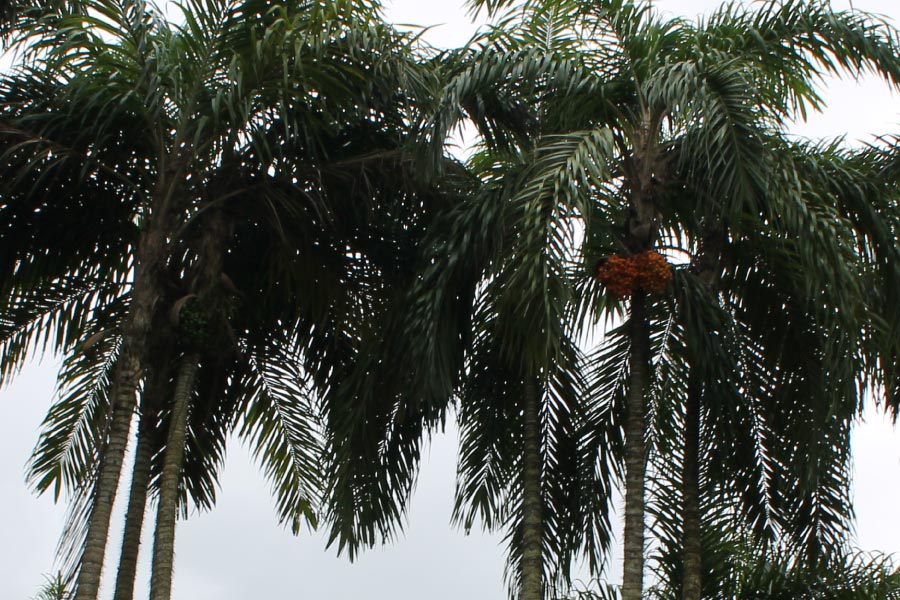
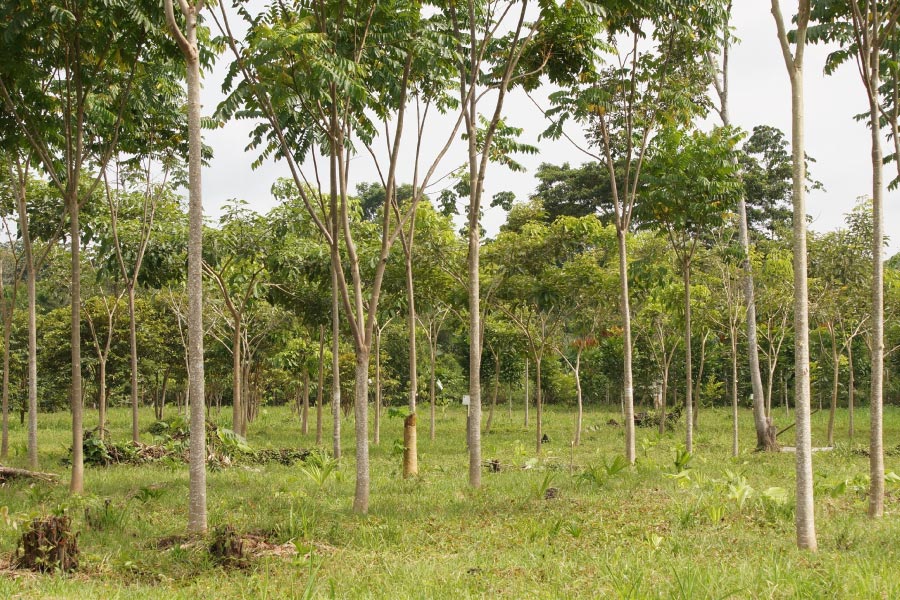
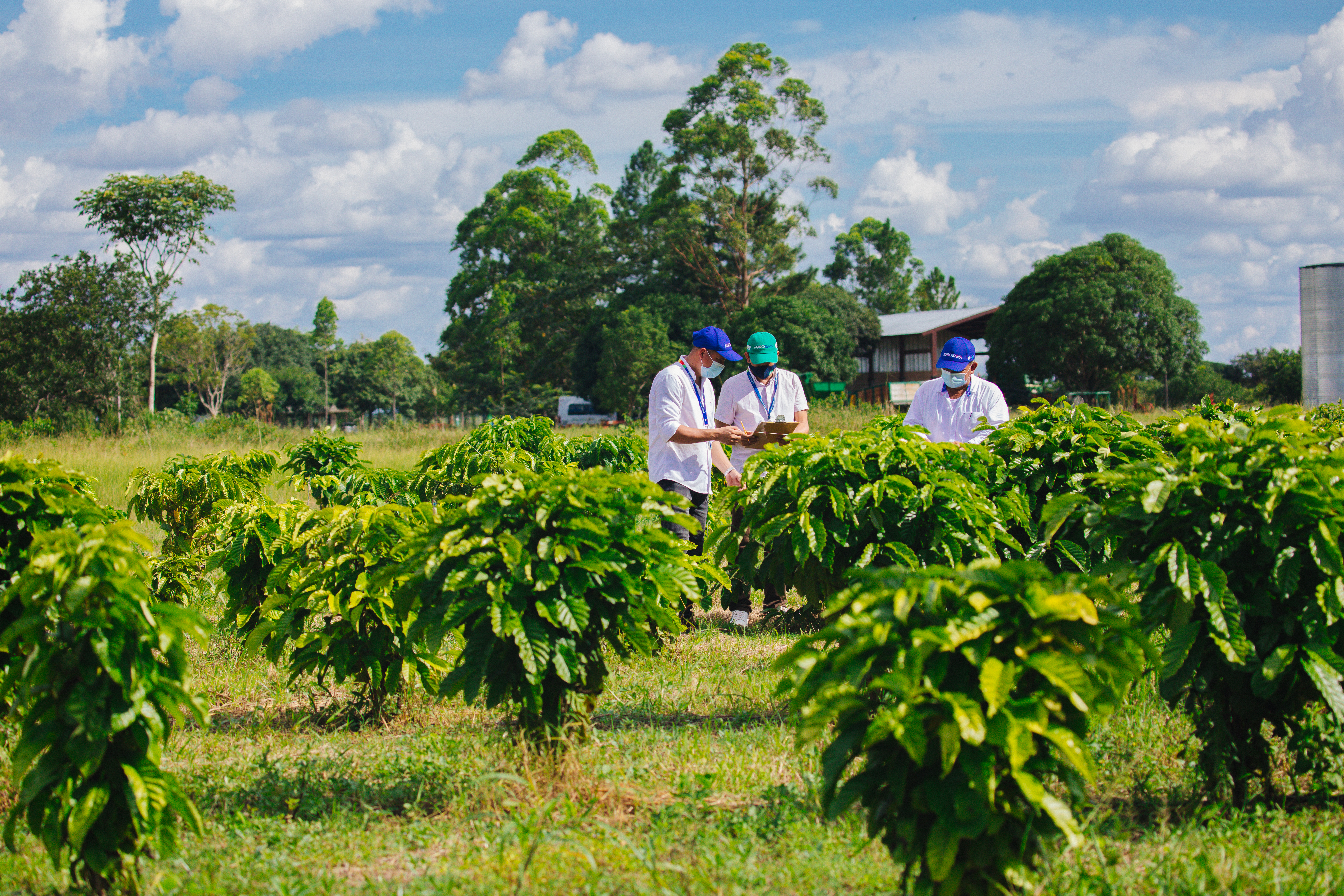
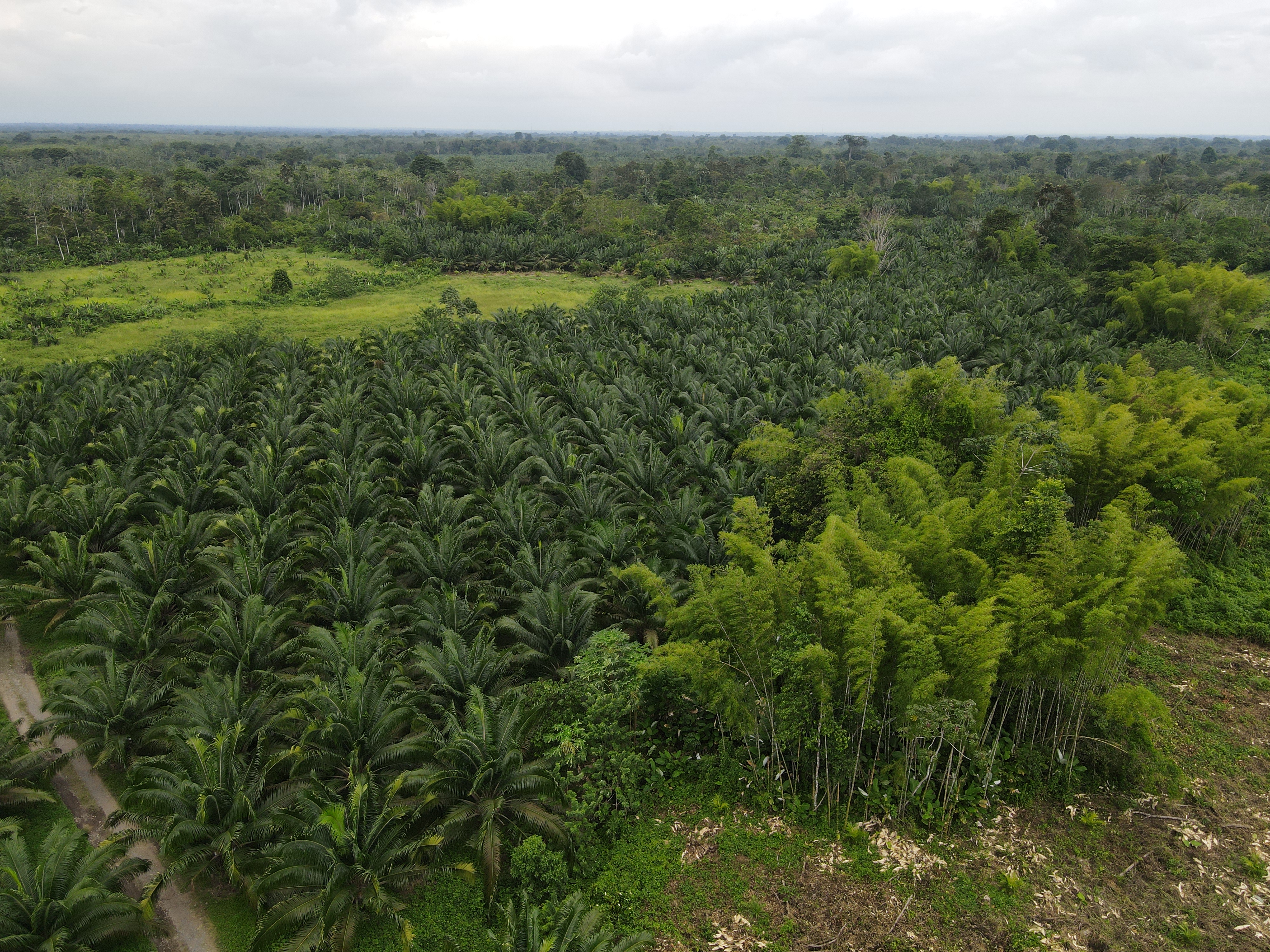
Knowledge that drives innovation
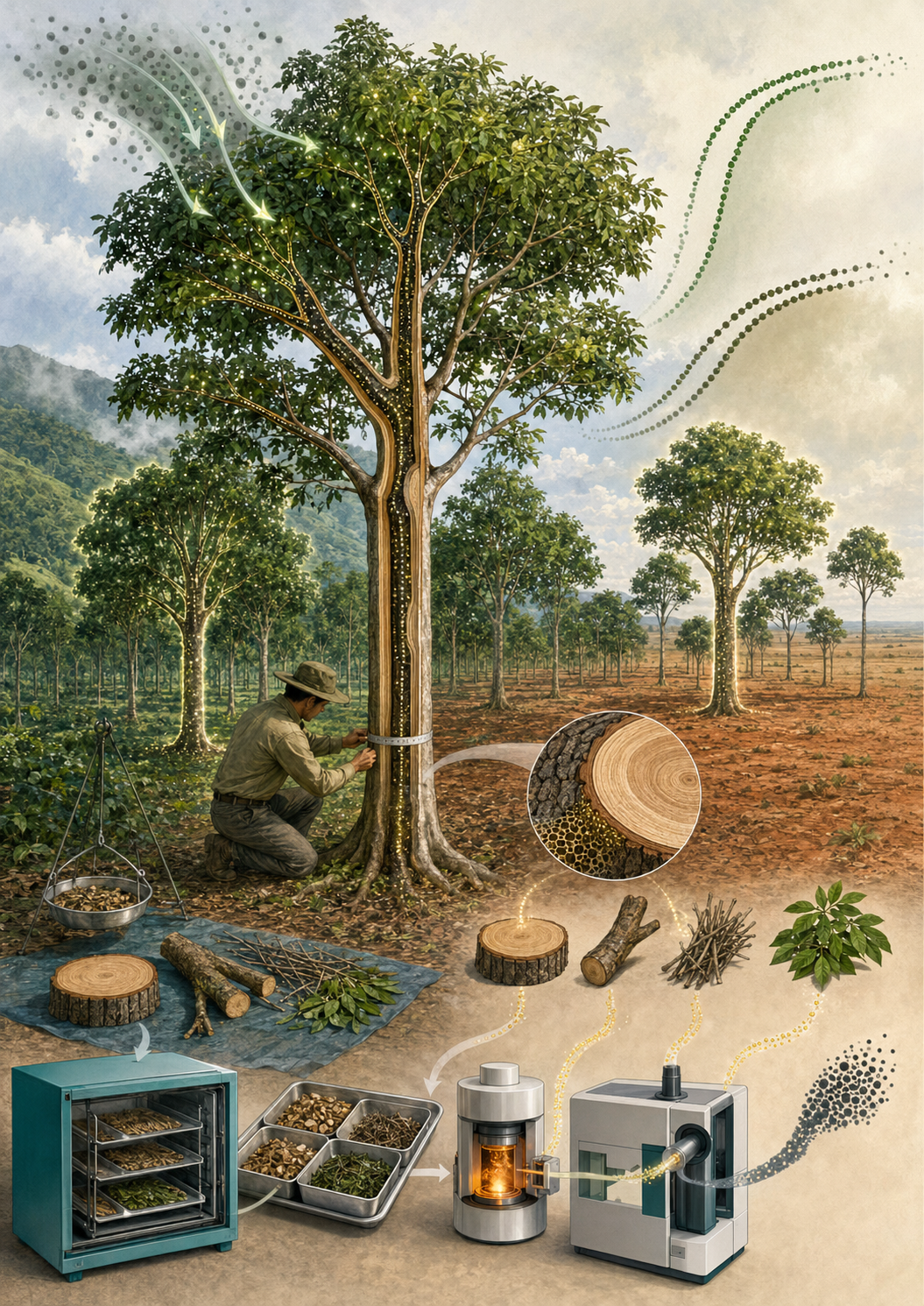
Carbon Storage and Accumulation in Rubber Clones in the Colombian Orinoquía
How effectively do different rubber clones capture carbon? The research assessed biomass and carbon stocks in nine 11-year-old rubber clones (Hevea brasiliensis) planted at two sites in the Colombian Orinoquía, using direct tree sampling and growth models. The results revealed notable differences among clones: FDR 5788 and PMB 1 recorded the highest carbon stocks, reaching up to 135 metric tons of carbon per hectare. This suggests that clone selection could be a key strategy for maximizing the climate-change mitigation potential of rubber plantations.