


Transitional and Agroindustrial Crops Innovation Network
Manager
Cesar Augusto Forero Camacho CRIS AGROSAVIA
Scope
Contribute to the competitiveness and sustainability of transitory and agro-industrial crop systems through knowledge generation, capacity building, and the development and integration of high-quality, safe, and resource-efficient technological solutions. These actions aim to address the country’s socioeconomic, environmental, cultural, and market challenges, generating impact and territorial coherence.
Goals
-
🌱 Obtain and position genetic materials with specific adaptation, competitive yields, tolerance to biotic and abiotic stress, with nutritional and agro-industrial characteristics that meet the needs of current and future market segments.
-
🌍 Improve soil productive capacity, focusing on resource quality and health, environmental and water regulation, nutrient cycling, and issues related to soil fertility (chemical, physical, and biological), irrigation, and drainage.
-
🐛 Contribute to the mitigation of economic, environmental, and safety-related impacts, through the development and innovation of integrated pest management strategies, throughout crop development, harvest, and post-harvest stages.
-
🛠️ Develop, adapt, and/or improve harvest and post-harvest processes with a territorial approach, to increase efficiency and/or generate added value in products and by-products, under circular economy frameworks, considering nutritional and functional factors, as well as the design of equipment and tools for product transformation.
-
🔬 Conduct research and risk analyses, focused on ensuring quality and safety in agricultural products and processes and their environment.
-
👥 Formulate participatory research strategies for the integrated management of production systems, focused on monitoring, characterization, evaluation, and impact assessment of climate change effects on production systems and biodiversity.
-
🗺️ Contribute to the participatory planning of territorial production systems, to reduce conflicts over the use of land, water, and biodiversity, and increase the social and ecological resilience of the systems.
-
🔗 Contribute to the linkage of technological offerings, ensuring their availability based on the R&D&I results validated within the network and their adoption by various stakeholders.
-
⚡ Develop knowledge for the production and storage of efficient alternative energies.
Gallery
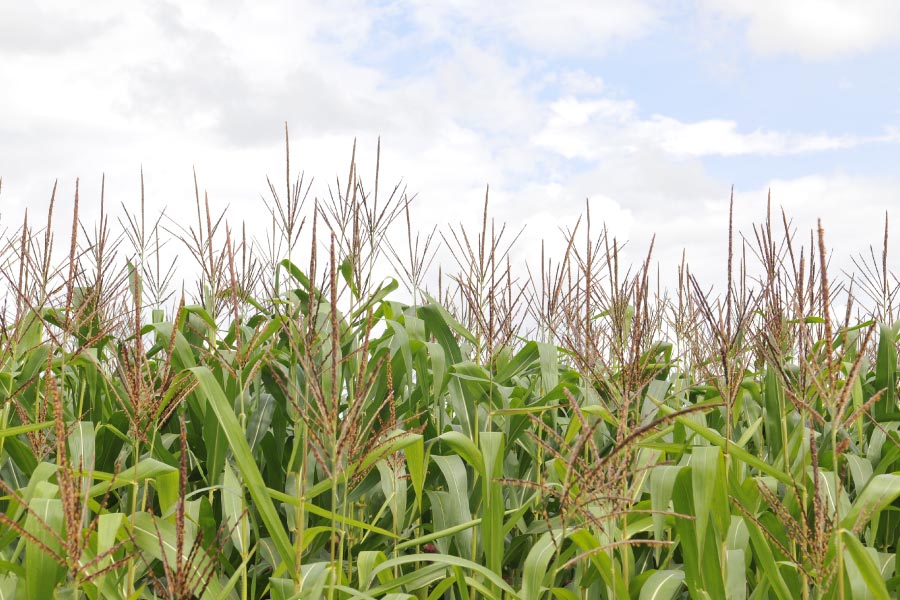
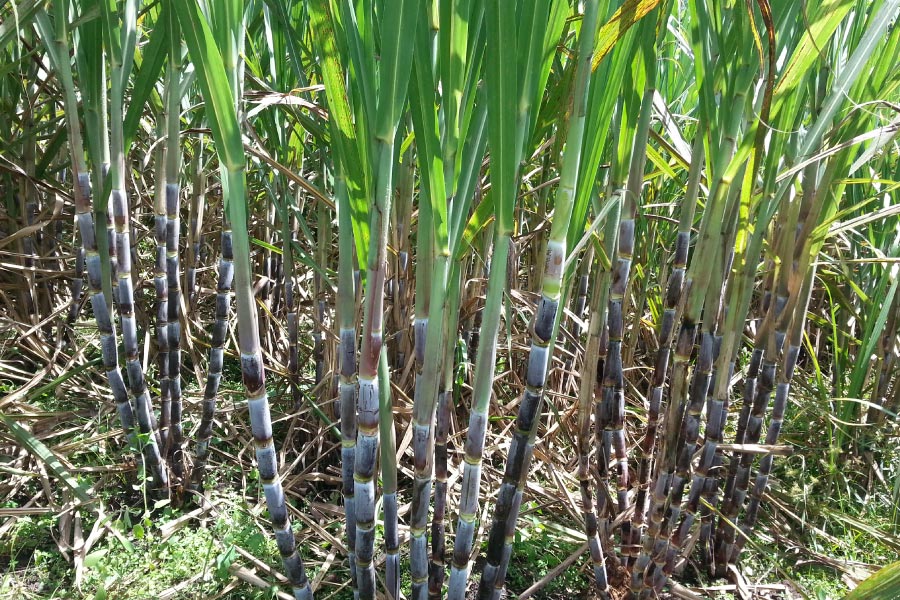
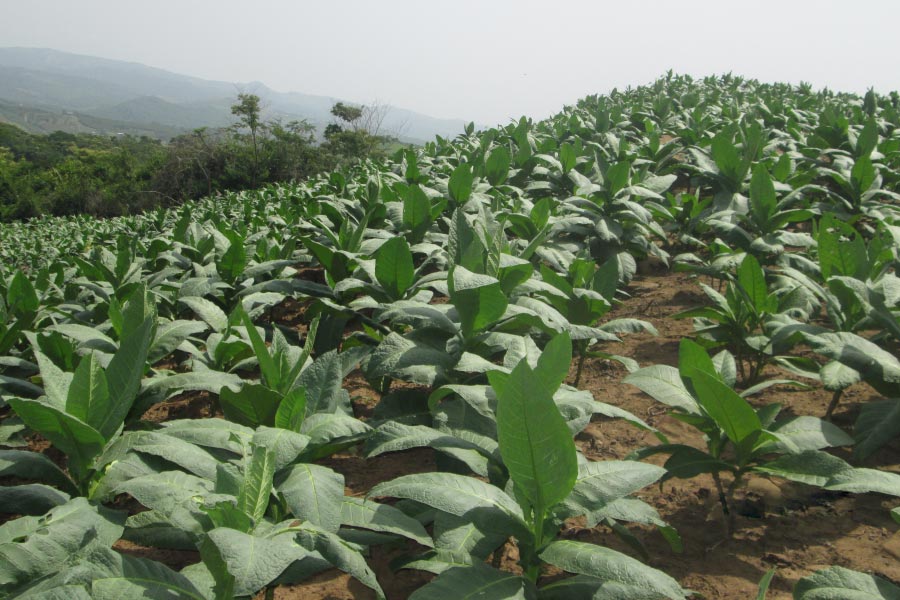
Knowledge that drives innovation
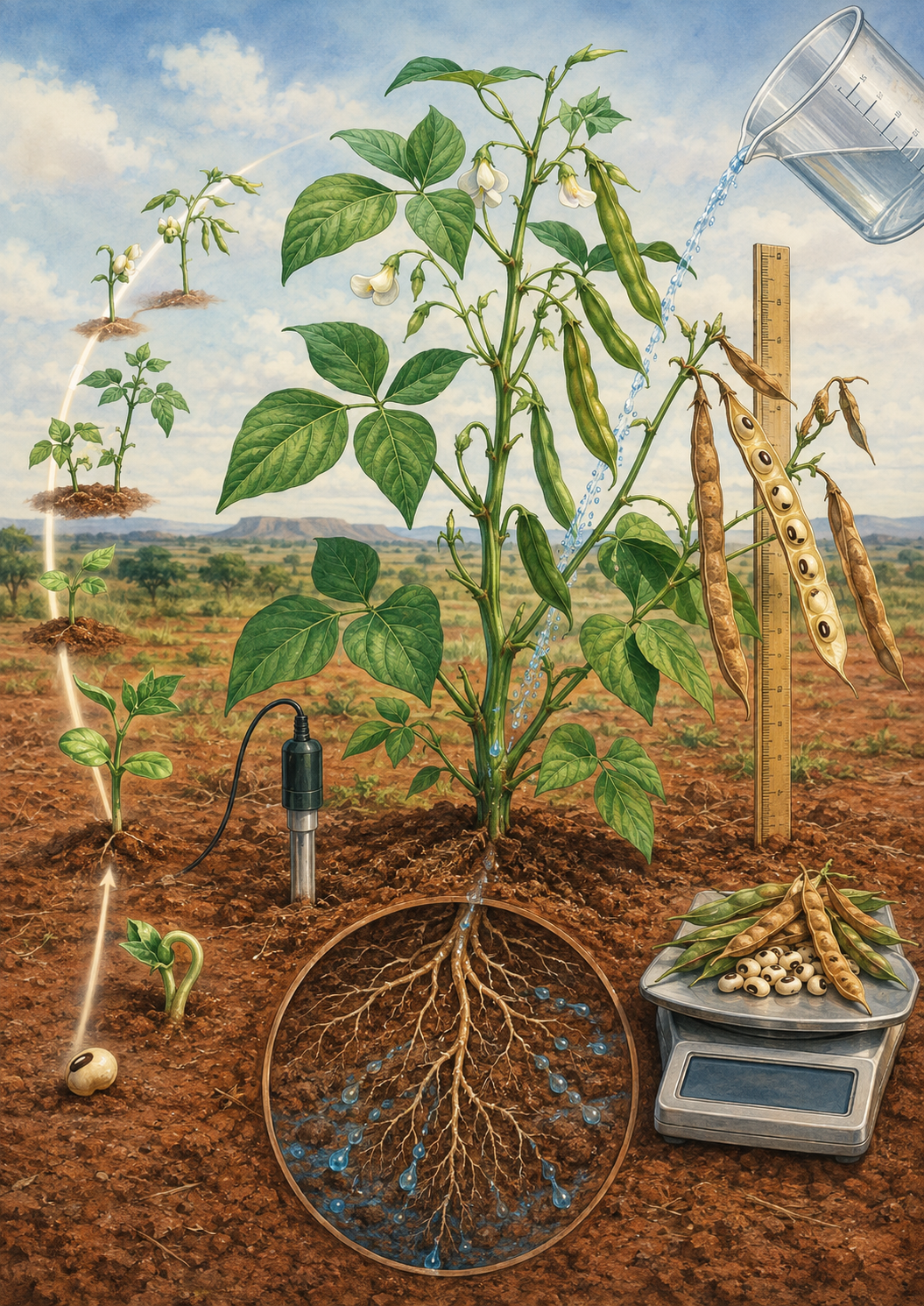
Assessment of Water Productivity and Phenological Characteristics of Cowpea plants in the Highlands of Colombian Orinoquia
How much water does cowpea really need to achieve good yields? Conducted at AGROSAVIA’s La Libertad Research Center between December 2024 and April 2025, the study assessed water productivity in cowpea crops under four irrigation levels, ranging from deficit to full irrigation. Although the highest yield was obtained with full irrigation, water-use efficiency was greatest under deficit irrigation at 50% of crop evapotranspiration. These findings support cowpea as a resilient crop under water-scarcity conditions, with irrigation levels between 75% and 100% providing the best balance between yield and efficient water use. The crop also shows additional potential as forage in integrated crop–livestock systems.