


Vegetables and Aromatic Plants Innovation Network
Manager
Adriana Carolina Peña Holguin CRIS AGROSAVIA
Scope
The Vegetables and Aromatic Plants Network operates within production systems linked to the value chains of Vegetables, Aromatic, Medicinal, Condimentary, and Related Plants (PAMCA), as well as Flowers, Aloe Vera, and Cannabis prioritized by the Ministry of Agriculture and Rural Development (MADR). It primarily works with small and medium-scale producers, with a focus on Peasant, Family, Ethnic, and Community Agriculture (ACFEC). The network aims to contribute to the transformation and sustainability of Colombia’s horticultural sector by incorporating innovative and inclusive solutions that enhance food and sovereign security, ensure product safety, and improve the productivity, competitiveness, and sustainability of the sector. Additionally, it seeks to consolidate the Colombian horticultural sector as a national and international benchmark for its high scientific and technological output.
Goals
-
🧪 Develop and validate technologies for horticultural systems with an inclusive, differentiated, and territorial approach, aimed at capacity building, empowerment, and the comprehensive improvement of quality of life for both producers and consumers.
-
🌱 Contribute to the development of sustainable and competitive horticultural systems, focused on comprehensive quality, through the development and validation of appropriate technologies for communities and territories that support food security and sovereignty.
-
🥕 Contribute to the development of added value in products derived from horticultural systems, in a sustainable and competitive manner, based on ecosystem services and the transformation of agricultural products.
-
💧 Contribute to the development and adoption of technologies for horticultural systems that are environmentally, socially, and economically sustainable and accepted, based on the environmental supply of different agroecological regions, the use of agrobiodiversity, and the rational use of soil and water resources.
Gallery
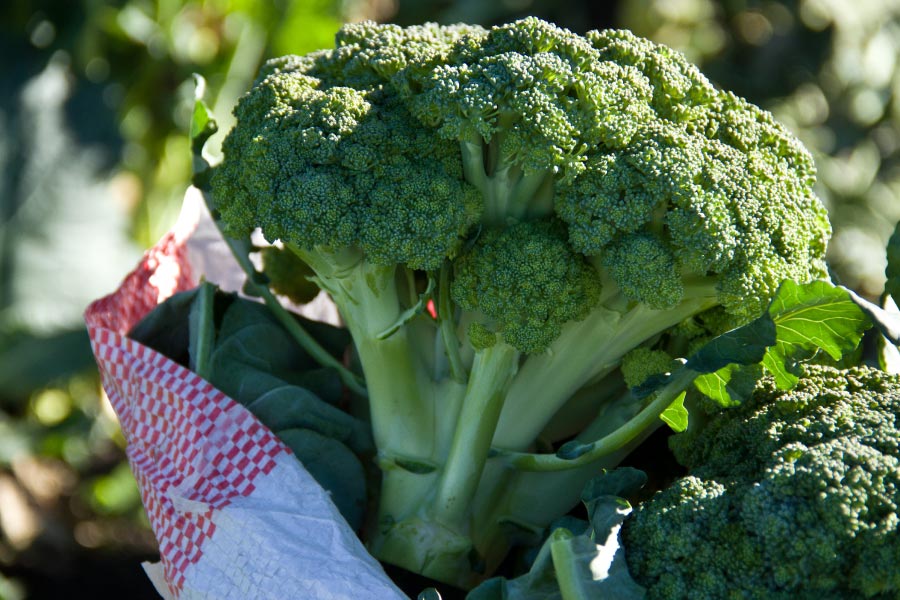
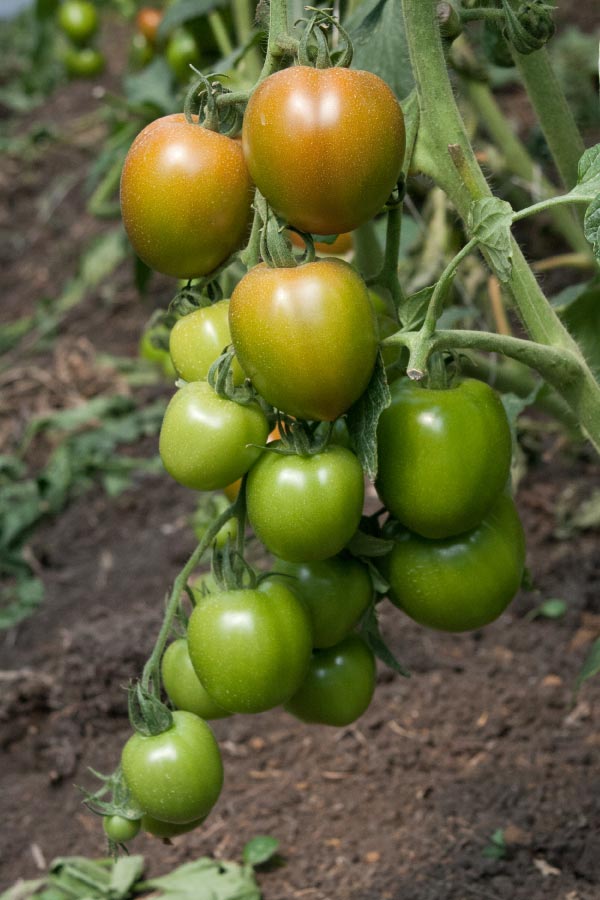

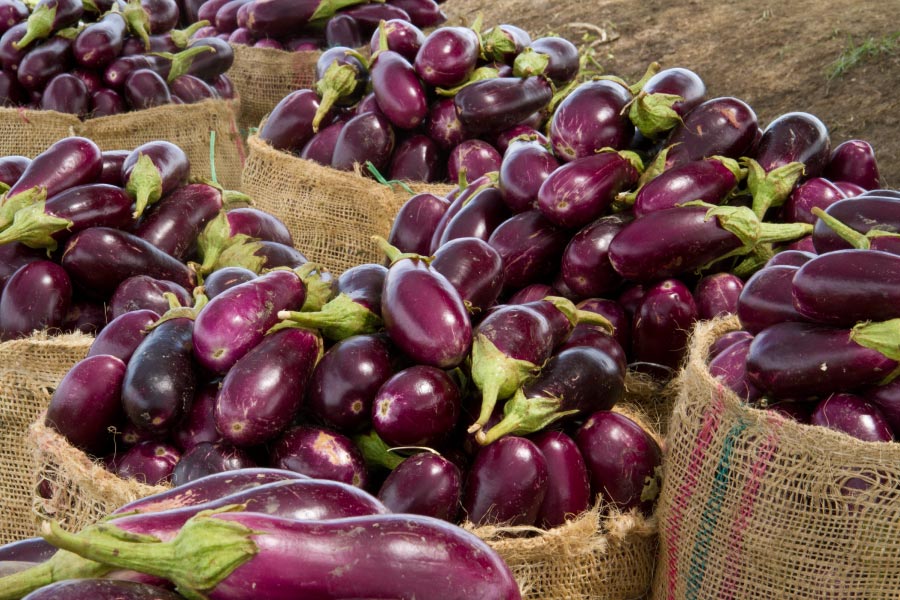
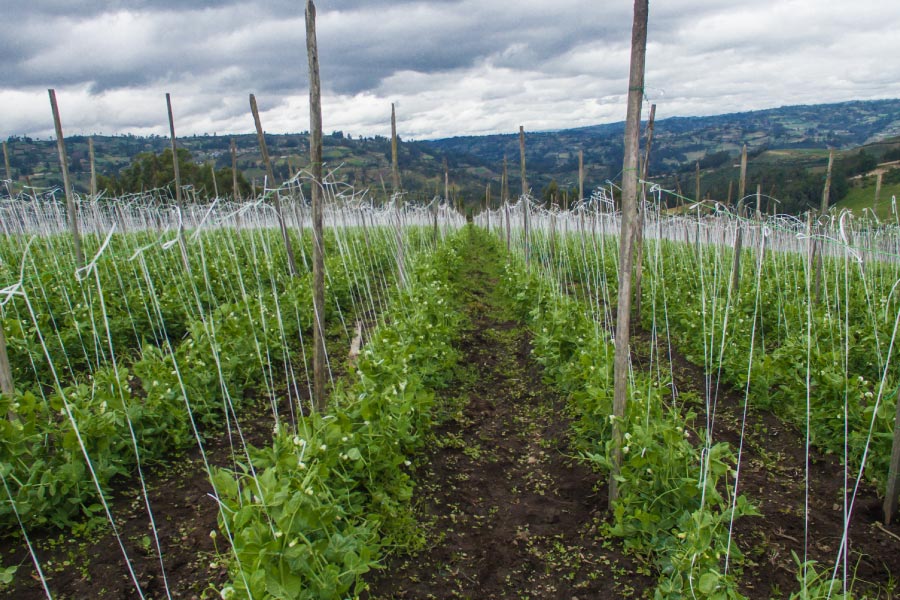
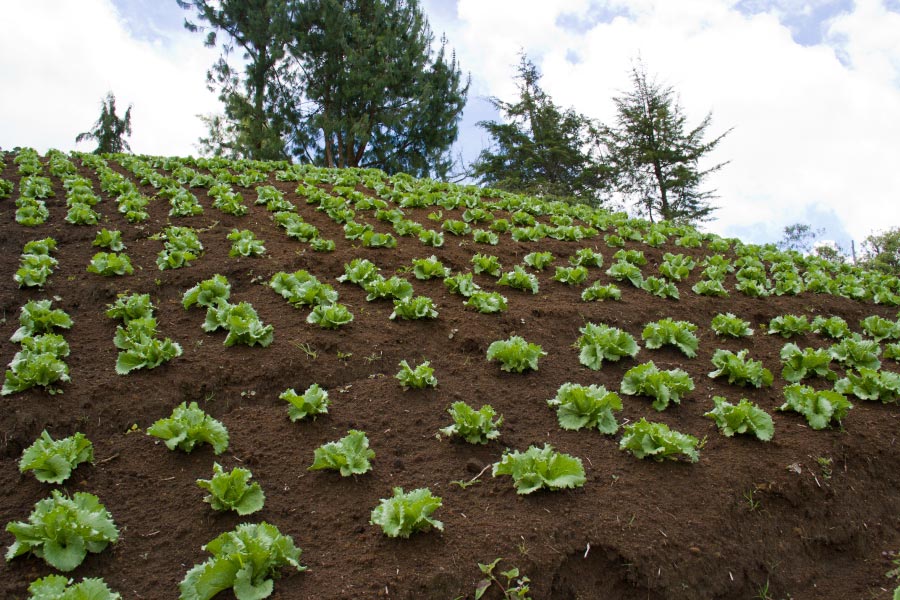
Knowledge that drives innovation
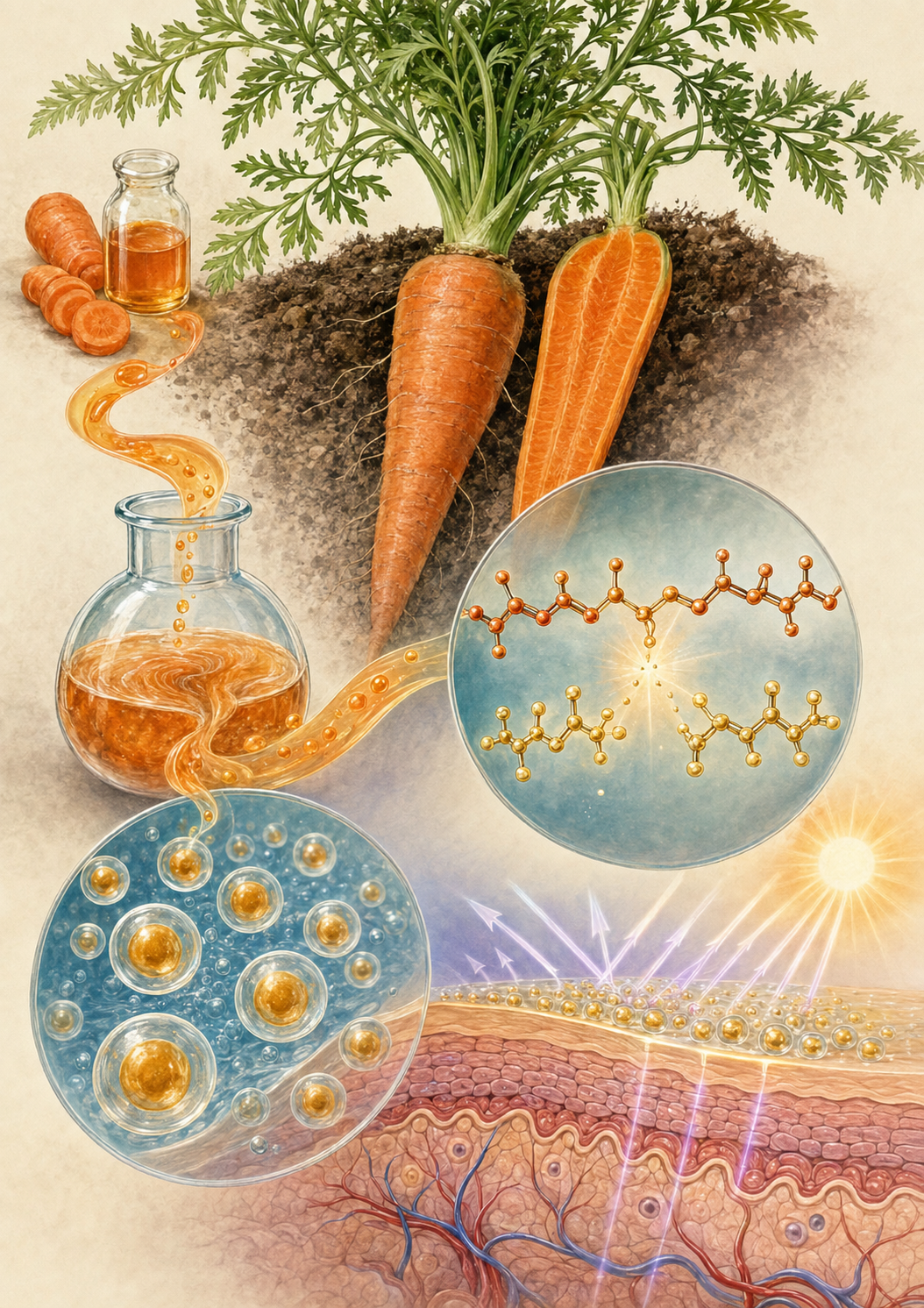
Controlled carotenoid cleavage and nanoencapsulation for the production of photoprotective retinoids from Daucus carota
Can carrot waste be turned into ingredients that help protect the skin? Within a circular economy framework, this research used carotenoids from discarded carrots—which would normally go to waste—to produce retinoids through controlled oxidation processes and subsequently improve their stability through nanoencapsulation. The results show the potential of this agro-industrial waste as a source of value-added ingredients for dermocosmetic applications.