


El Mira Research and Technology Transfer Center
The El Mira Research and Technology Transfer Center (1.5512257-78.7007294) rests on an alluvial plain, with activities also in the foothills, all the way from sea level to 1,000 meters above sea level. This region is representative of the tropical rainforest climate regime, dedicated to agricultural production in the Colombian biogeographical Pacific. The Center’s mandate is focused on the conservation of natural resources and the welfare of local populations, mainly indigenous and afrodescendants.
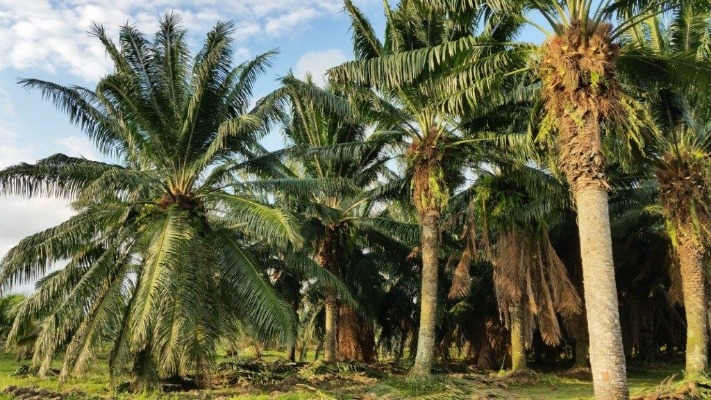
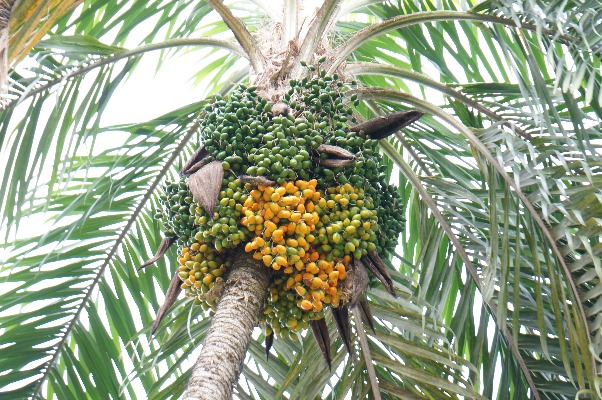
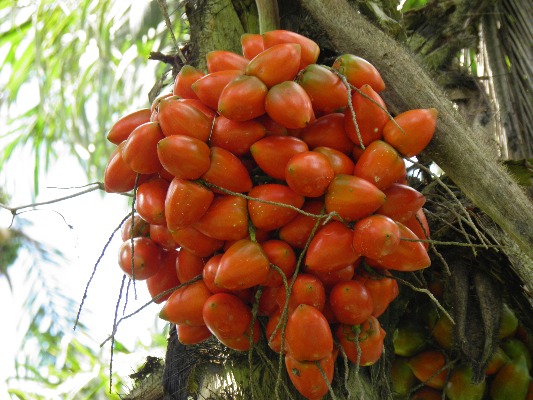
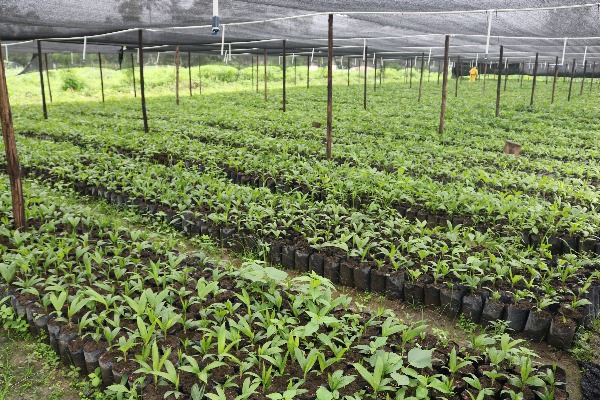
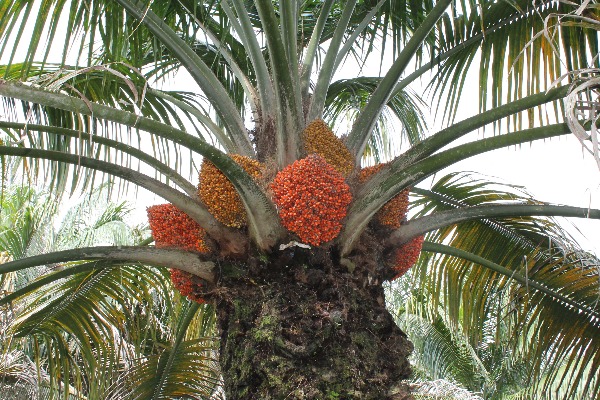
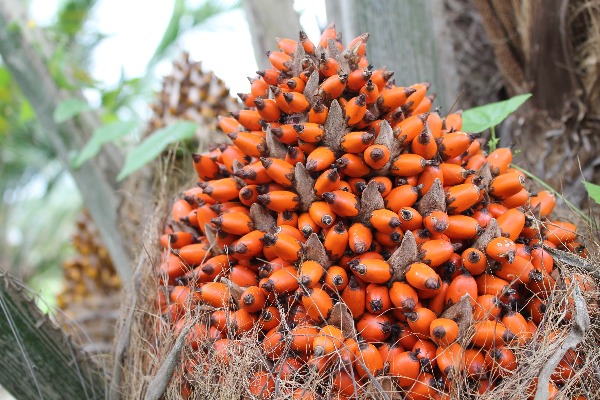
Since its inception, the Center has focused on economically-important palm trees (oil, coconut and peach palm), becoming the current repository of national germplasm banks of American oil palm (Elaeis oleífera) and peach palm (Bactris gasipaes). The germplasm banks preserve the biodiversity of Colombian palms and contribute to the genetic improvement of palms in southwestern Colombia. To ensure conservation of the collection, five-year cryopreservation methods have been developed, with no negative effects on the seed when planted in the field.
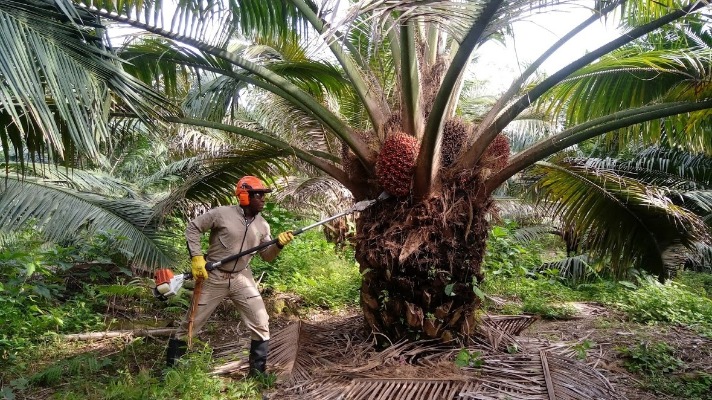
Due to the epidemic of bud rot (BR) that ravaged the Ténera oil palm (Elaeis guineensis) during the period 2006-2008, the Center dedicated efforts to developing interspecific oil palm hybrid materials (E. oleífera × E. guineensis) with maternal parents from the Cereté region. O × G hybrids and their backcrosses, backstopped by 40 years of research, are the forerunners of the solution to BR in the country. By means of rapid selection methodology for accelerated oil palm breeding, the time required in each cycle of selection for genetic improvement has been reduced by five to six years. The O × G AGROSAVIA of the El Mira Research Center is characterized by two-thirds exposed flowers, with productive flowering beginning at 28 months and large fruit production potential. It is composed of parthenocarpic fruits, naturally- or artificially-pollinated, and quality oil; this material has demonstrated tolerance to BR. With a slow growth of 25 cm per year, the O × G Corpoica extends the life of the lots to up to 40 years. On the other hand, with the backcrosses, the aim is to preserve the characteristics of the O × G hybrids, increase oil extraction rates and dispense with the need for assisted pollination.
Peach palm serves other productive sectors typical of the tropical rainforest; however, these were affected by the impact of the 2015 prolonged and intense rainy season and by local crop losses due to fruit borers. As with the oil palm, good agronomic management, adapted to local conditions, has enabled early production with higher yields than traditional production and with high-quality fruit.
The BR epidemic and other diseases affecting coconut and peach palm evidenced the need to develop adequate and traditionally-used cropping systems, such as polycultures in agroforestry systems (AFS) arrangements. Cocoa is the basis of these AFS and is an excellent product for the substitution of illicit crops. In Tumaco, international and regional cocoa varieties are grown; the regional one, in particular, has been internationally recognized for its excellent quality. AGROSAVIA and the El Mira Research and Technology Transfer Center are working hand in hand with departmental research institutions and farmers to find elite regional trees for future development of local varieties, but also offer regional cocoa varieties from other national locations, without compromising local quality.
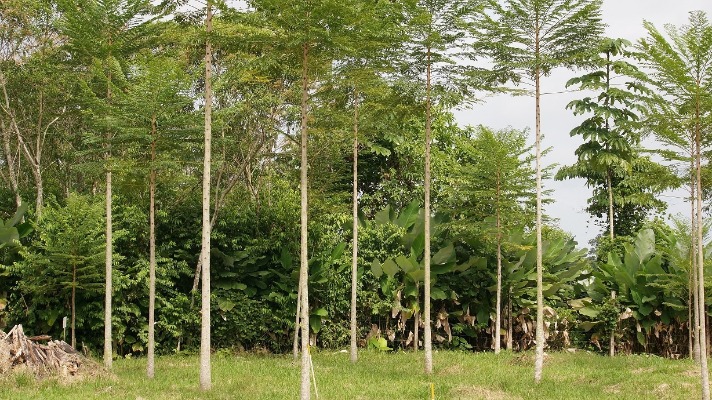
To complement the AFS, new local and preferably multiple-use forest species, such as peach palm, which produces fruit, and palmetto (Euterpe edulis), both known as non-timber forest products (NTFP), are constantly being evaluated. Andiroba (Carapa guianensis), for example, was only used locally for its wood, but it also produces a very high-quality essential oil known in Brazil as andiroba. Nine promising species are currently being evaluated, including Spanish cedar (Cedrela odorata), pioneer jacaranda (Jacaranda copaia), pink poui (Tabebuia rosae) and andiroba.
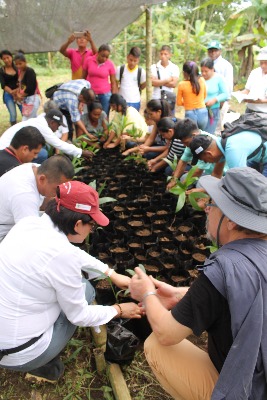
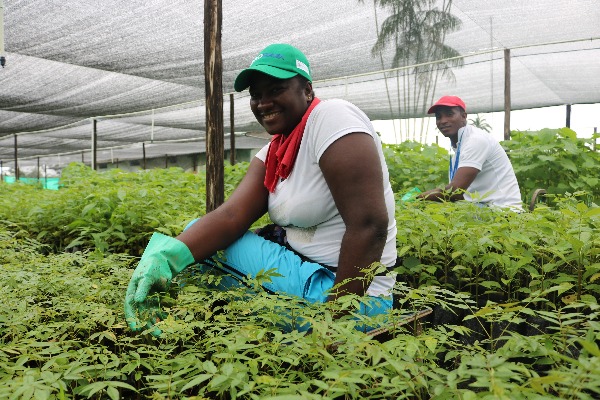
Research has also been conducted on other crops important for food security, such as cassava and aromatic species, which are common in small-scale farming. Cassava varieties are evaluated for family consumption—some of them biofortified—and others for agroindustrial purposes. The Center is currently working with the local indigenous communities to identify their particular needs and to carry out the work required to maintain their traditions and quality of life.
More than 150 local and migratory bird species have been identified at the El Mira Research and Technology Transfer Center, some of which are in danger of extinction, such as the orange-fronted barbet (Capito squamatus) and the Guayaquil woodpecker (Campephilus gayaquilensis). In one same day, 45 different species of birds can be observed. In addition, more than 100 species of ants have been recorded in the palm groves and fallow land, which provide biological pest control and are indicators the Center’s good conservation status. The AFS and the biological corridors implemented promote conservation of the region’s biodiversity.
Gallery
Director
-
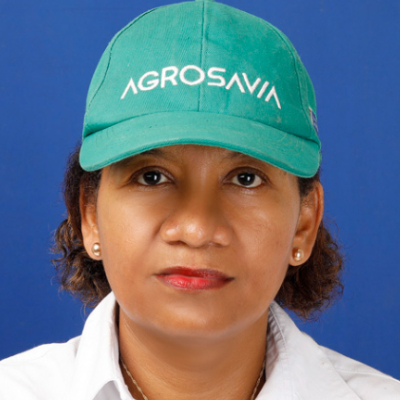
Jaydy Segura Estupiñán (E)
- (+57) 601 9144677
- jsegurae@agrosavia.co
She is a member of the Recuerdo de Nuestros Ancestros Río Mejicano Community Council. She holds a degree in Agricultural Engineering from Universidad Nacional de Colombia (Palmira Campus). She conducted specialized research in cassava phytopathology at the International Center for Tropical Agriculture (CIAT). She earned a Master's degree in Tropical Agroforestry from Universidad de Nariño and is currently pursuing a Ph.D. in Project Management. She has more than 10 years of experience working with rural communities, leading food security, cocoa, and coconut projects in the municipalities of Tumaco and Francisco Pizarro. She has served as Regional Innovation Coordinator at the El Mira Research and Technology Transfer Center. Her work with Indigenous and Afro-descendant communities has been fundamental to her personal and professional development. Through this experience, she has learned to listen, understand local realities, exchange knowledge, and support communities in improving their agricultural production while encouraging them to become active drivers of development within their territories. She firmly believes that "small actions create significant change" and finds great satisfaction in contributing to peacebuilding efforts in the region.
-
- Jaydy Segura Estupiñan
- Director, El Mira Research and Technology Transfer Center
- Email: jsegurae@agrosavia.co
- Phone: PBX (+57) 6019144677 ext. 2965
-
- Fernando Lozano Useche
- Administrative and Financial Coordinator, El Mira Research and Technology Transfer Center
- Email: flozano@agrosavia.co
- Phone: PBX (+57) 6019144677 ext. 2905
-
- Neiser Josimar Quiñones Hurtado
- Business Development Officer, El Mira Research and Technology Transfer Center
- Email: nquinones@agrosavia.co
- Phone: PBX (+57) 6019144677 ext. 2955
-
- Alejandra Sánchez Zapata
- Human Resources Head, El Mira Research and Technology Transfer Center
- Email: asanchezz@agrosavia.co
- Phone: PBX (+57) 6019144677 ext. 2969
-
- Angie Gutiérrez Gutiérrez
- Organizational Management Officer, El Mira Research and Technology Transfer Center
- Email: algutierrez@agrosavia.co
- Phone: PBX (+57) 6019144677 ext. 2517
-
- Beto Alonso Moreno Caicedo
- Monitoring and Evaluation Officer, El Mira Research and Technology Transfer Center
- Email: bmorenoc@agrosavia.co
- Phone: PBX (+57) 6019144677 ext. 2952
-
- Juan Carlos González
- Field Operations Head, El Mira Research and Technology Transfer Center
- Email: jugonzalez@agrosavia.co
- Phone: PBX (+57) 6019144677