


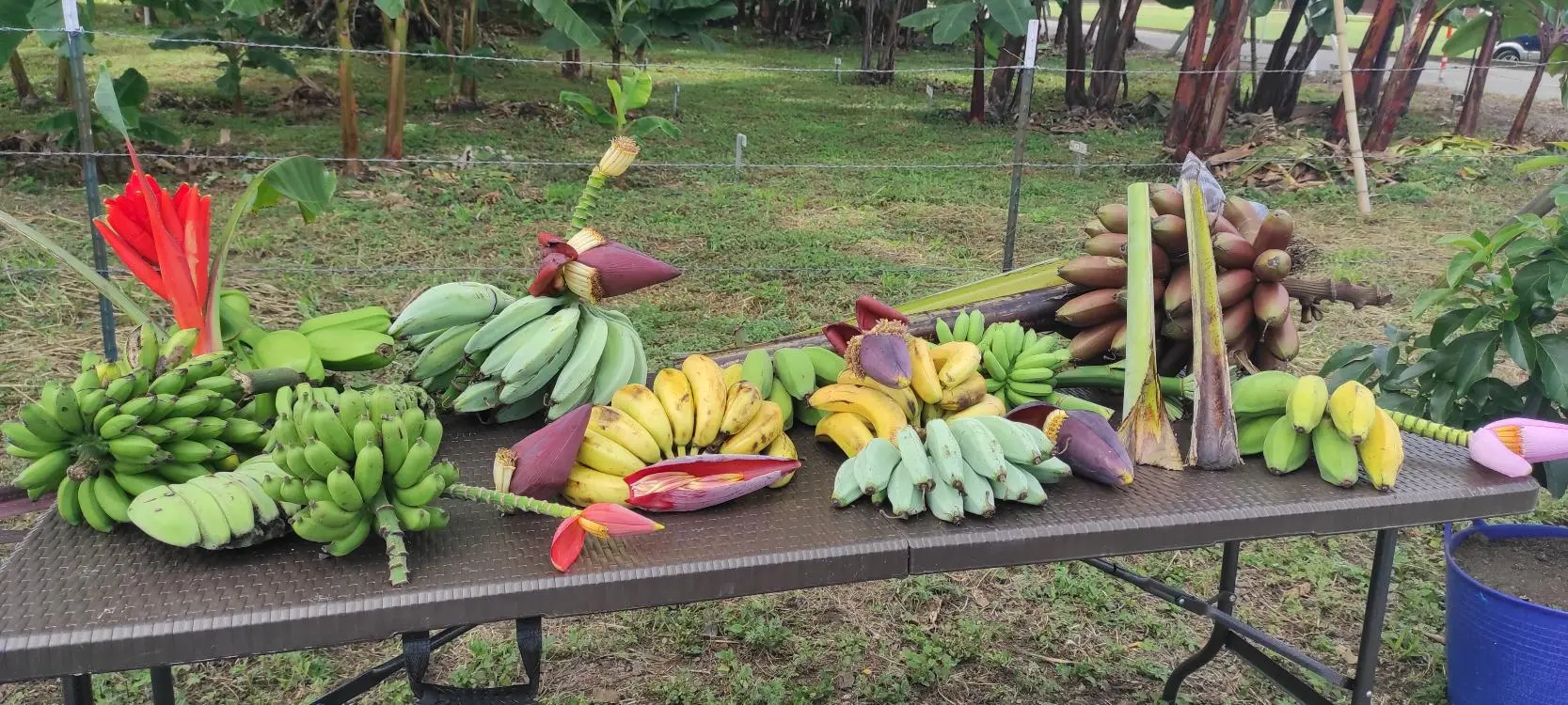
- Research led by AGROSAVIA has identified plantain germplasm accessions with resistance and tolerance to two of the most destructive diseases affecting plantain production: Moko disease and Fusarium wilt. The study introduces a new strategy to accelerate the identification of promising genetic materials and strengthen plant breeding programs in Colombia.
Mosquera, Cundinamarca. July 23, 2026. Plantain is a cornerstone of food security and the livelihood of thousands of rural families in Colombia. However, diseases such as Moko, caused by the bacterium Ralstonia solanacearum, and vascular wilt caused by Fusarium oxysporum, can result in severe yield losses and even destroy entire plantations.
To address this challenge, researchers at Corporación colombiana de investigación agropecuaria (AGROSAVIA) developed a strategy that enables a more efficient use of the genetic diversity conserved in the Plant Genetic Resources Bank for Food and Agriculture, facilitating the identification of germplasm with the potential to develop more disease-resistant varieties.
The findings were published in the scientific article Harnessing Plantain Germplasm Diversity through NLR Gene Profiling for Resistance to Major Vascular Pathogens, which proposes a novel workflow to prioritize the most promising accessions before initiating field evaluations.
A Germplasm Bank Providing Solutions for Future Agricultural Challenges
The Colombian Plant Genetic Resources Bank, maintained by AGROSAVIA, conserves extensive genetic diversity of species of strategic importance to Colombian agriculture. Within the genus Musa, which includes plantains and bananas, the collection comprises 197 accessions representing a valuable resource for addressing diseases, pests, and the impacts of climate change.
However, the characterization of each accession requires substantial investments of time and resources. "Germplasm banks preserve the raw genetic resources that scientists, plant breeders, and farmers need to develop crops capable of meeting future agricultural challenges. The key challenge is identifying which materials have the greatest potential to initiate these research and breeding efforts," explain the study authors, Ph.D. Paola Zuluaga, Ph.D. Paula Reyes, M.Sc. Ayda Enríquez, M.Sc. Lorena Dávila, and M.Sc. Edwin Rodríguez from the Tibaitatá and Palmira Research and Technology Transfer Centers.
To address this challenge, the research team developed a genomics-based methodology that enables the early identification of germplasm with genetic characteristics associated with disease resistance, thereby optimizing research investments and accelerating decision-making.
Promising Germplasm for Two Major Diseases Threatening Plantain Production
Using this approach, researchers from the Palmira and Tibaitatá Research and Technology Transfer Centers identified germplasm accessions exhibiting different levels of resistance and tolerance to Moko disease and Fusarium wilt, two of the most devastating diseases affecting plantain production.
These findings provide a foundation for future plant breeding programs, as the identified germplasm could contribute resistance traits to the development of new varieties adapted to Colombia's production conditions.
"Our study demonstrates that we already have germplasm with resistance and tolerance to these diseases. This creates new opportunities to incorporate these materials into breeding programs to develop more disease-resistant commercial varieties," the research team stated.
Genomic Information Accelerates Innovation
One of the study's major contributions was demonstrating that genomic tools can significantly enhance the utilization of the genetic diversity conserved in germplasm banks.
Rather than experimentally evaluating hundreds of accessions, the methodology first identifies those with genetic profiles associated with disease resistance, enabling research to focus on the most promising candidates.
This strategy reduces evaluation time, optimizes the use of available resources, and strengthens the agricultural sector's capacity to respond to current and emerging challenges, particularly those associated with climate change and the emergence of new diseases.
Conserving Biodiversity to Secure the Future of Agriculture
For AGROSAVIA, the significance of this work extends beyond developing a new methodology. The research demonstrates that conserving genetic diversity not only safeguards the country's biological heritage but also provides practical tools to address the challenges facing agricultural production.
The next phase of the research will focus on strengthening plant breeding programs by incorporating these germplasm accessions into crossing and evaluation processes, while continuing the characterization of the Germplasm Bank to identify additional sources of disease resistance.
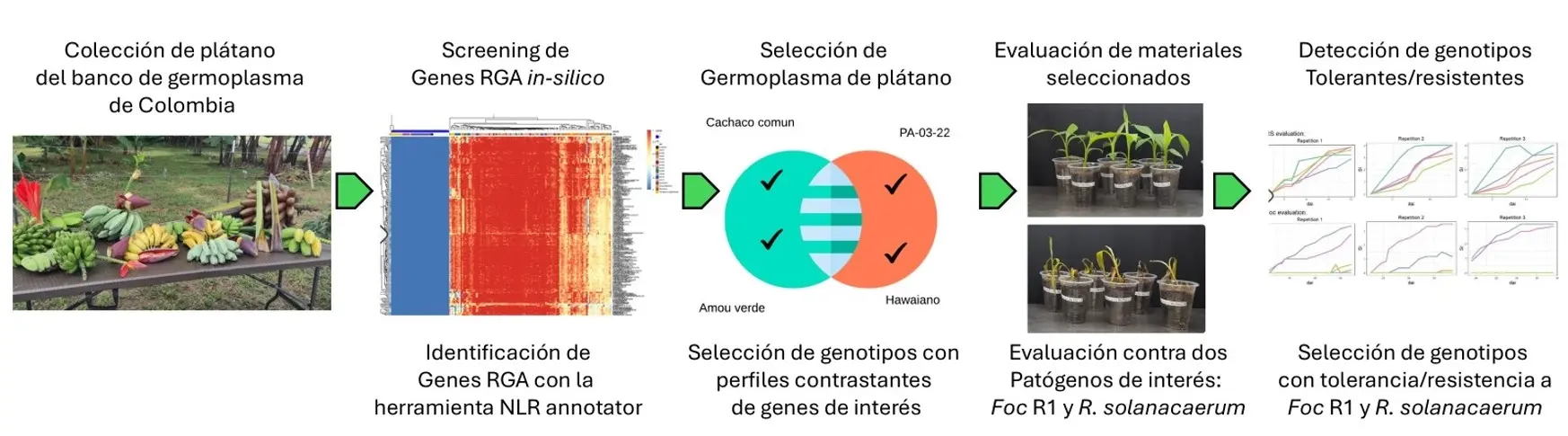
The figure illustrates the strategy employed in this study, which can be applied to any germplasm collection of interest within a germplasm bank.
- More information here:
- María Elena Londoño Rubio
- Communications, Identity and Corporate Relations Professional
- Research Center Tibaitatá
- Communications, Identity and Corporate Relations Advisory Office
- melondono@agrosavia.co
- AGROSAVIA