


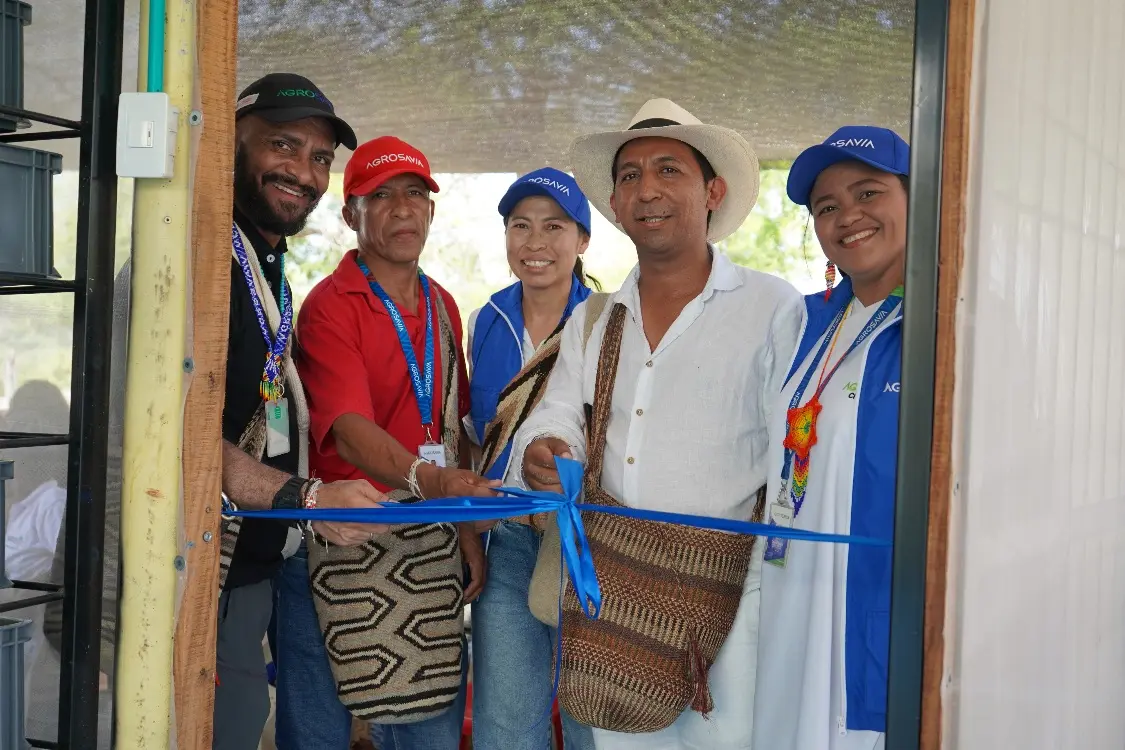
- The new black soldier fly bioconversion facility transforms community organic waste into feed for chickens, fish, and pigs, while also producing biofertilizers to strengthen sustainable agriculture in Cesar and La Guajira.
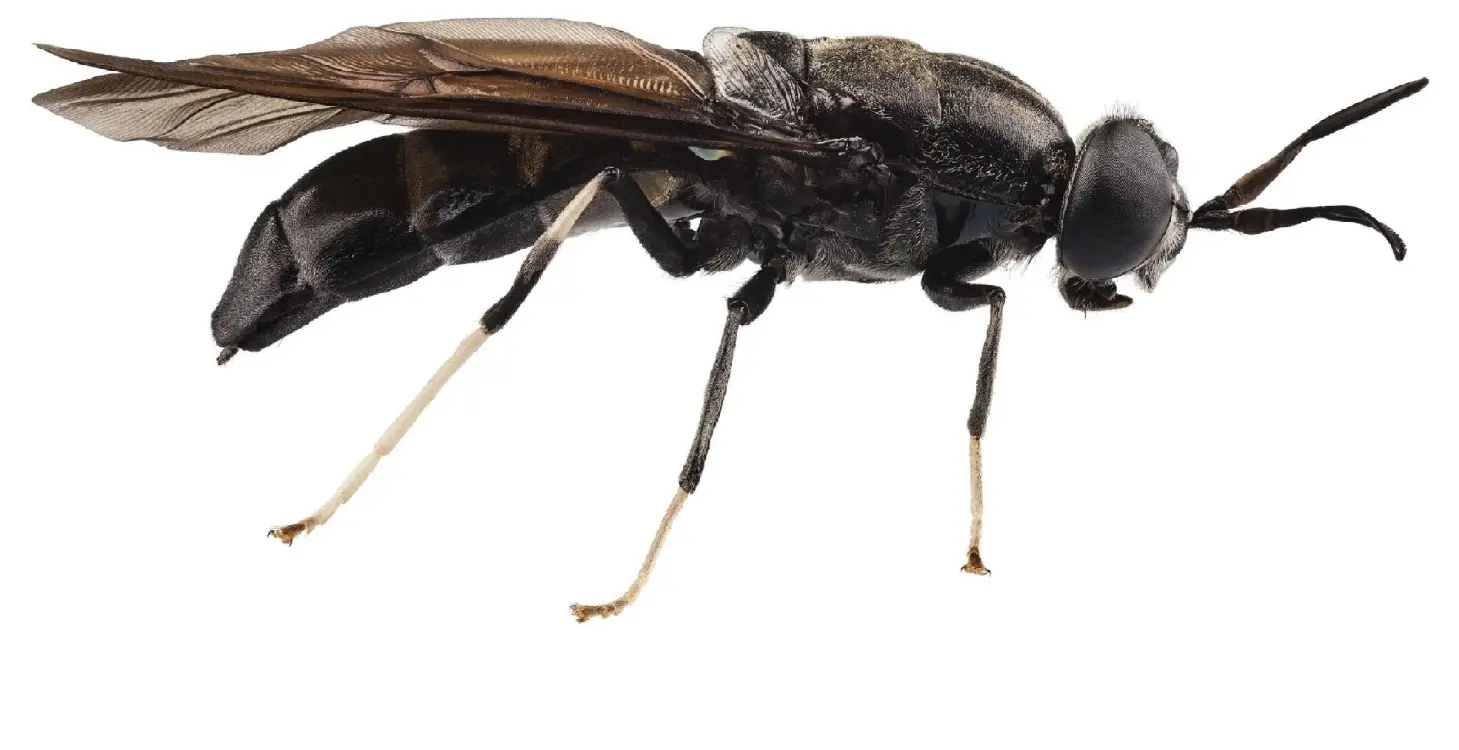
Valledupar, Cesar. September 15, 2026. What was once considered waste—fruit peels, food scraps, and crop residues—is now being transformed into an opportunity to boost food production, improve crops, restore soil, and protect the environment. In the Kankuamo Indigenous Territory, in Valledupar (Cesar), AGROSAVIA’s Motilonia Research and Technology Transfer Center (CIT) inaugurated the first black soldier fly (Hermetia illucens) bioconversion facility. This innovative technology transforms agricultural waste into high-value protein for animal feed (chickens, fish, and pigs) and into biofertilizers for agricultural production.
Master’s-level researcher Clara Yalexy Delgado Ochica leads the project at the Motilonia CIT, funded by the Netherlands Enterprise Agency and developed in partnership with NGN, Entopro, and the Universidad Nacional de Colombia. The initiative represents a milestone for the region. Its implementation consolidates a circular economy model that strengthens environmental governance, empowers communities in Cesar and La Guajira, and promotes the transition toward agroecological production.
A solution to an environmental challenge in the territory
For Delvis Ochoa, the project’s Ethnic Affairs Assistant, the facility represents a strategic advancement for the community: “This facility was built to address an environmental challenge in the territory. The idea is to collect the organic waste generated by fruit pulping facilities, schools, and Early Childhood Development Centers (CDI, for its Spanish acronym), and use black soldier flies to convert it into protein for feeding small livestock and into organic fertilizer that strengthens the community’s crops.”
The community collects this waste to feed black soldier flies, an insect capable of converting large volumes of organic matter into useful resources for agricultural production systems.
During this process, the larvae produce high-quality protein that can be incorporated into the diets of livestock and aquaculture species such as broiler chickens, laying hens, fish, and pigs, while the material resulting from bioconversion is transformed into an organic biofertilizer that improves soil fertility and crop development.
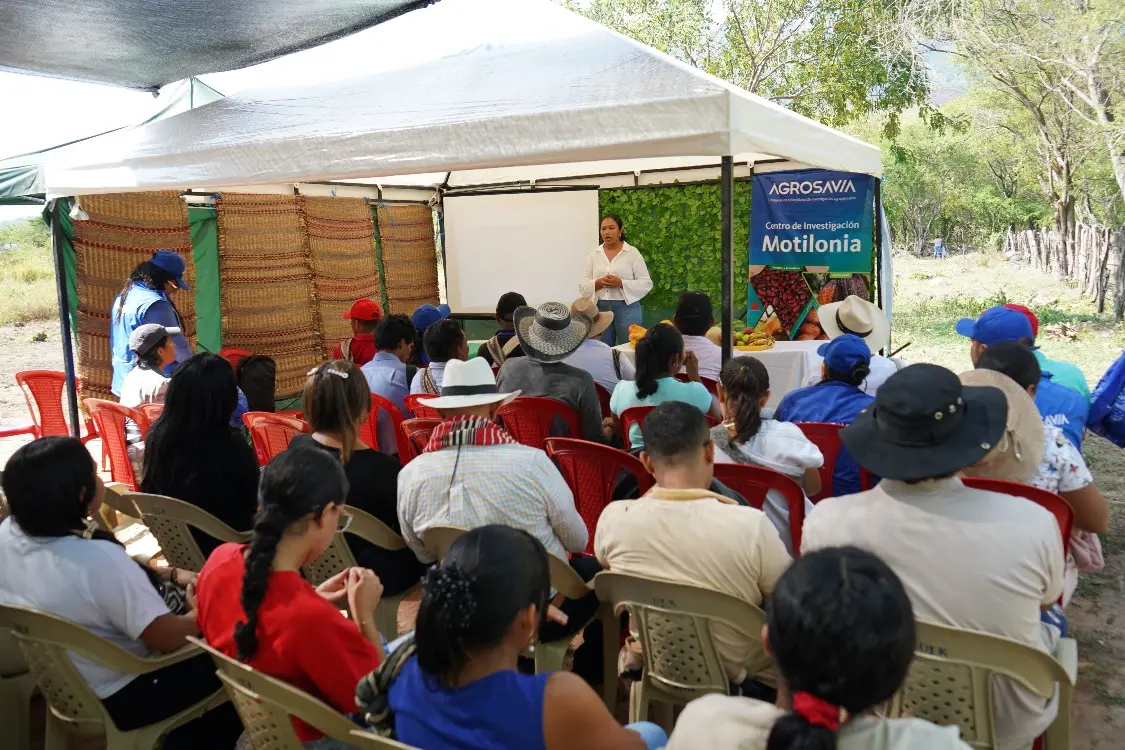
A living laboratory for Cesar
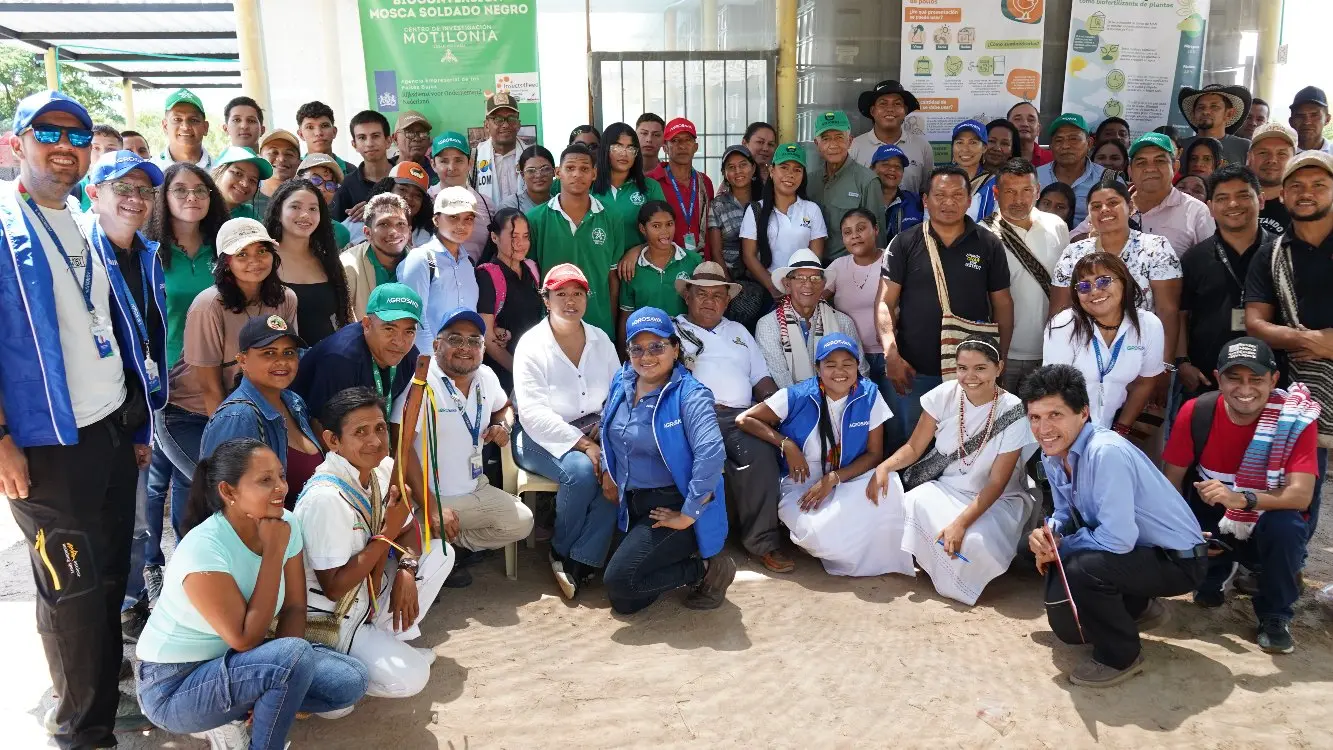
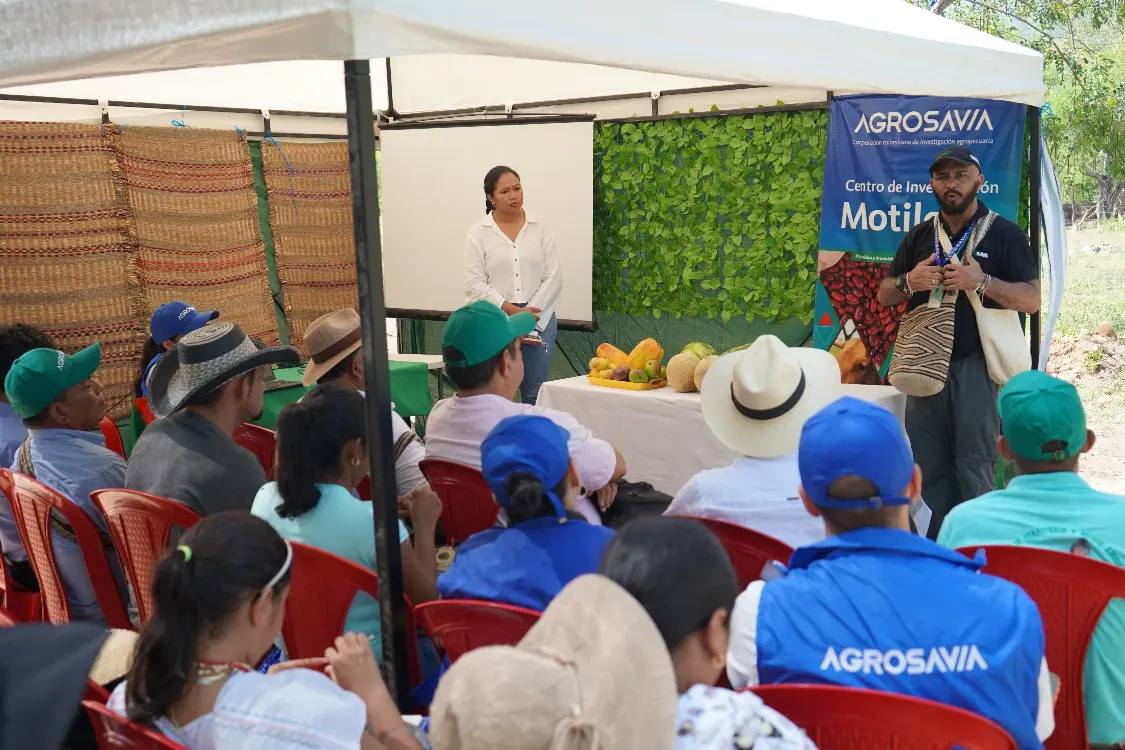
Beyond producing protein and biofertilizers, the facility will operate as a training and knowledge-transfer center for producers, agricultural extension professionals, universities, institutions, and Indigenous communities interested in implementing sustainable technologies.
Researcher Clara Delgado explained that the goal is to get this knowledge directly to farming families. “The main objective of this facility is to transfer knowledge. We want every family farming unit and every farm plot in Cesar and La Guajira to transform waste into high-quality biofertilizers and protein for animal feed, thereby improving their production systems sustainably and reducing their dependence on high-cost inputs.”
According to the researcher, every farm plot generates residues from fruit, crops, coffee, cacao, and other agricultural processes that this technology can use to close production cycles, reduce waste, and increase productivity.
With this “living laboratory,” AGROSAVIA reaffirms its commitment to participatory research, autonomous territorial development, and climate change mitigation through the circular economy.
- More information here:
- Ronal Rosado Peinado
- Communications, Identity and Corporate Relations Professional
- Center for Research and Technology Transfer Motilonia
- Communications, Identity and Corporate Relations Advisory Office
- rrosado@agrosavia.co
- AGROSAVIA