


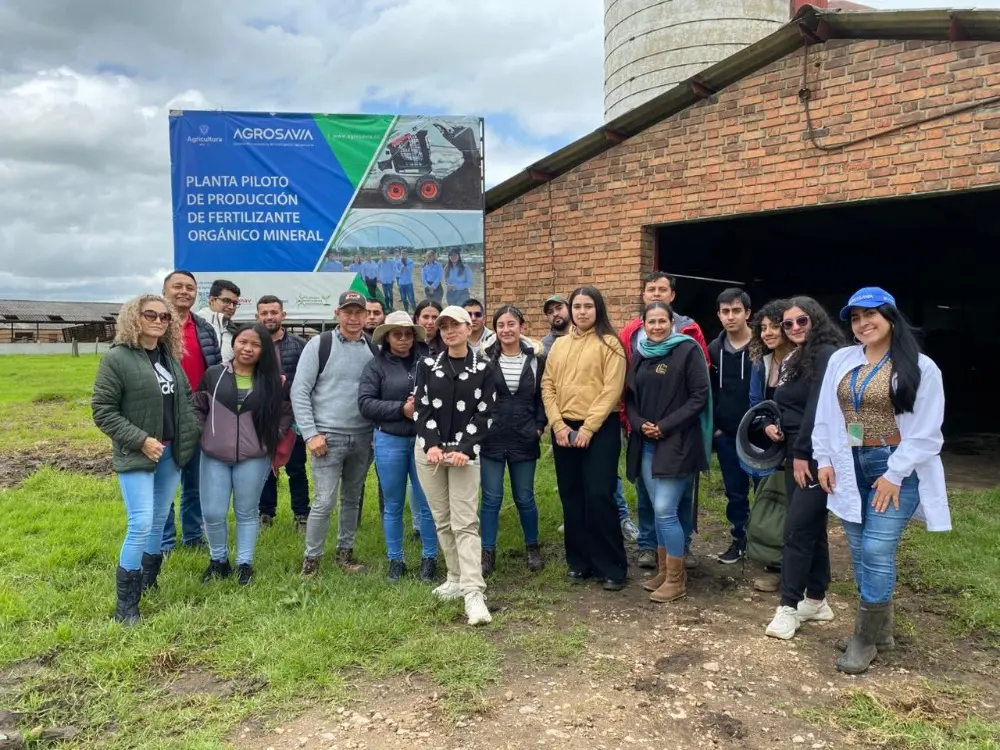
- A scientific review led by AGROSAVIA's Ph.D. Researcher Germán Estrada demonstrates that compost's true potential extends far beyond recycling organic waste. By harnessing microbial communities, compost can be developed into a more efficient organic fertilizer, a tool for restoring soil health, and a strategy to enhance agricultural resilience to climate change.
Mosquera, Cundinamarca. July 2, 2026. For decades, composting has been regarded primarily as a process for converting organic waste into fertilizer. However, a scientific review published by Ph.D. Germán Estrada, Researcher at AGROSAVIA's Tibaitatá Research Center, proposes a paradigm shift: compost can become a microbial engineering tool capable of improving soil quality, increasing nutrient use efficiency, and supporting more sustainable agricultural production.
The article, "Impact of Microbial Dynamics During Composting on Product Quality and Its Efficiency for Soil Biological Enrichment," compiles the latest scientific evidence on the role of microorganisms throughout the composting process and explains how their strategic management can be used to design organic fertilizers with targeted functions to address some of the most pressing challenges in modern agriculture, including soil degradation and climate change.
The science behind more efficient compost
The study shows that microbial communities determine much of the quality and functionality of compost, even after it has been incorporated into the soil. Throughout the composting process, these microorganisms promote nitrogen conservation and increase phosphorus availability, two essential nutrients for crop growth.
In practical terms, this means organic waste can be transformed into organic fertilizers with greater agronomic value, enabling producers to use nutrients more efficiently, partially reduce their dependence on mineral fertilizers, and improve soil fertility through sustainable management practices.
An ally against climate change
The study also highlights that the benefits of compost extend well beyond plant nutrition. By enriching soils with more diverse and functionally active microbial communities, compost strengthens essential biological processes that enable agricultural systems to withstand better environmental stresses such as drought, high temperatures, and climate variability.
This microbial diversity acts as a resilience mechanism: when certain microbial species are affected by adverse conditions, others can perform similar ecological functions and help maintain soil balance. Under climate change scenarios, this functional redundancy provides a significant advantage for preserving agricultural productivity and the long-term sustainability of farming systems.
From traditional compost to precision composting
One of the most innovative concepts presented in the study is precision composting, an approach aimed at designing compost with specific characteristics tailored to the requirements of individual soils or cropping systems.
Just as precision agriculture optimizes the use of water and fertilizers, precision composting focuses on managing microbial communities, incorporating beneficial functional microorganisms, and using strategic additives to produce organic amendments capable of improving nutrient availability, stimulating soil biological activity, and addressing specific constraints within agricultural production systems. This approach paves the way for a new generation of more efficient organic fertilizers specifically adapted to the environmental conditions of each region.
Bringing scientific knowledge to the field
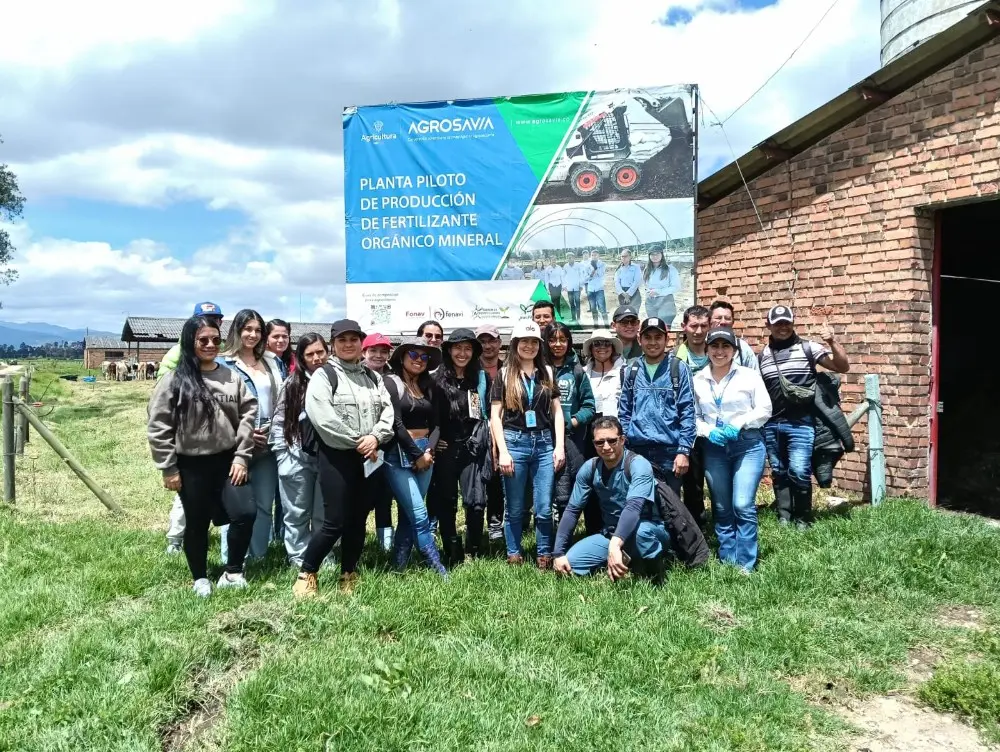
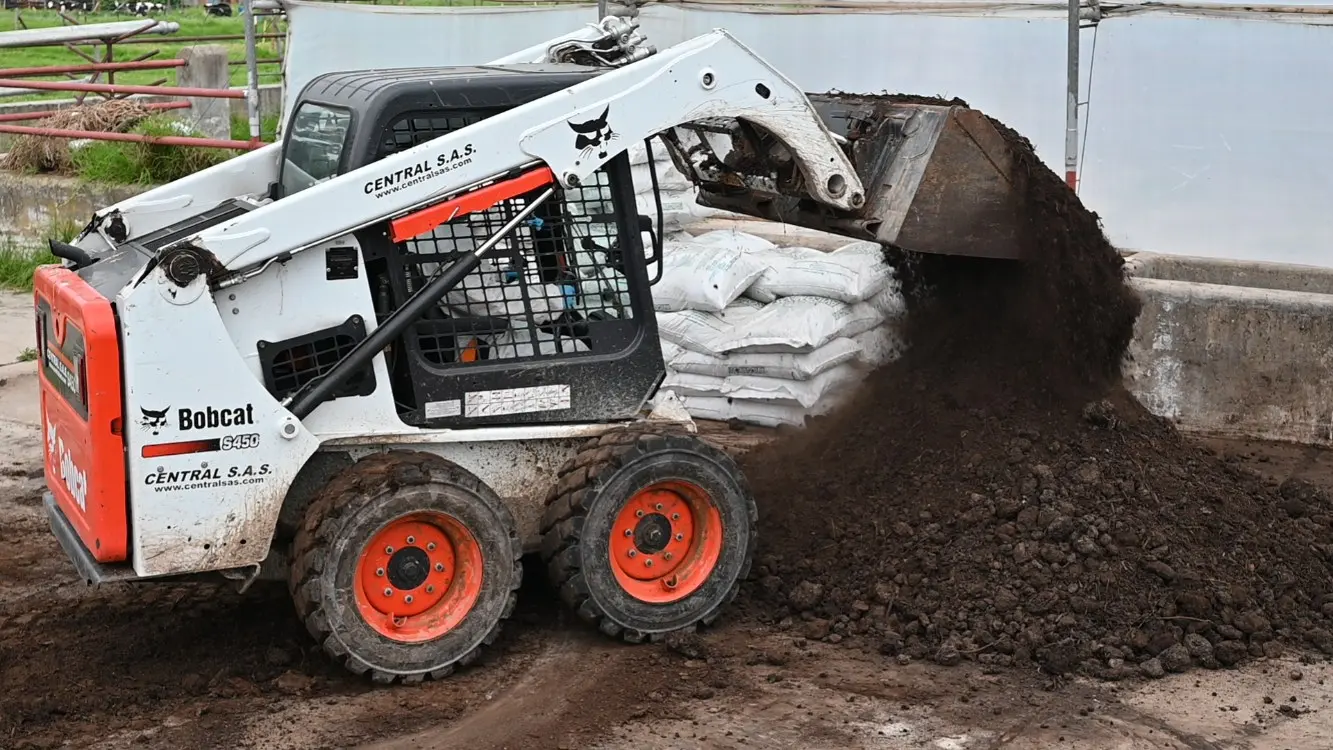
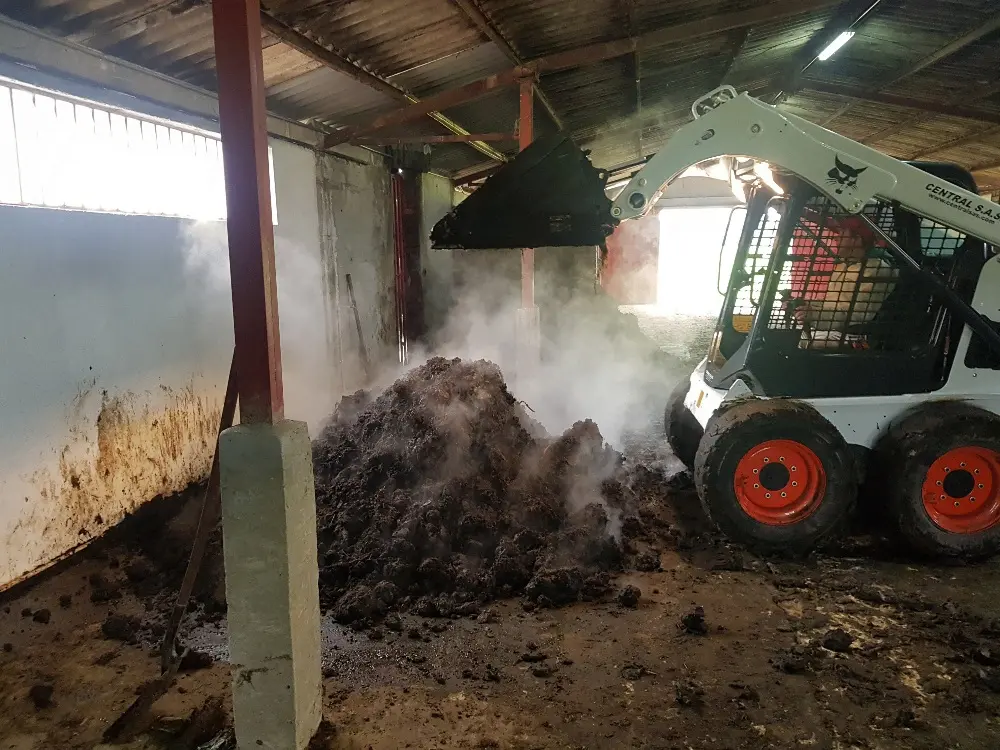
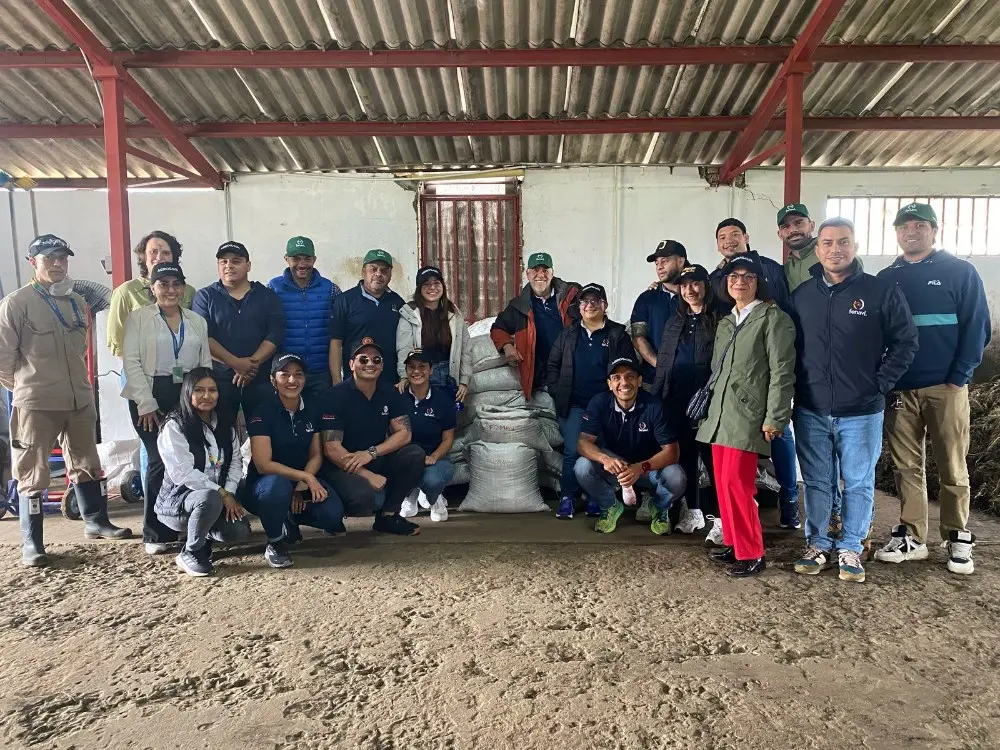
For AGROSAVIA, the challenge goes beyond generating scientific knowledge. The Corporation works to transform these research findings into technologies and practices that producers can adopt, through initiatives such as its pilot composting plant, where farmers, students, companies, and institutions gain firsthand experience in organic waste valorization and circular economy strategies.
Through training programs, field days, technical visits, and technology transfer activities, this knowledge is translated into practical alternatives for producing higher-value organic fertilizers, improving soil health, and strengthening the sustainability of Colombian agricultural production. In this way, composting is no longer viewed solely as a strategy for recycling organic waste but is increasingly recognized as a science-based tool for restoring soil health, enhancing agricultural productivity, and increasing the resilience of agricultural production systems.
Click here to access the scientific article: Impact of Microbial Dynamics During Composting on Product Quality and Its Efficiency for Soil Biological Enrichment.
- More information here:
- María Elena Londoño Rubio
- Communications, Identity and Corporate Relations Professional
- Center for Research and Technology Transfer Tibaitatá
- Communications, Identity and Corporate Relations Advisory Office
- melondono@agrosavia.co
- AGROSAVIA