


- Researchers from the Colombian Plant Germplasm Bank for Food and Agriculture participated as special guests in the BOLD WP1 Genebank Operations and Advanced Learning (GOAL) – Seed Quality Management (SQM) Workshop 2026, enhancing technical capacities that will contribute to optimizing the conservation of the country's plant genetic resources in accordance with international standards.
Mosquera, Cundinamarca. July 6, 2026. Seed conservation is one of the most important strategies for ensuring food security, supporting agricultural adaptation to climate change, and promoting the sustainable development of agrifood systems. Every accession preserved in a germplasm bank represents an invaluable source of genetic diversity that can provide essential traits for developing more productive, resilient crops capable of responding to emerging pests, diseases, and changing environmental conditions.
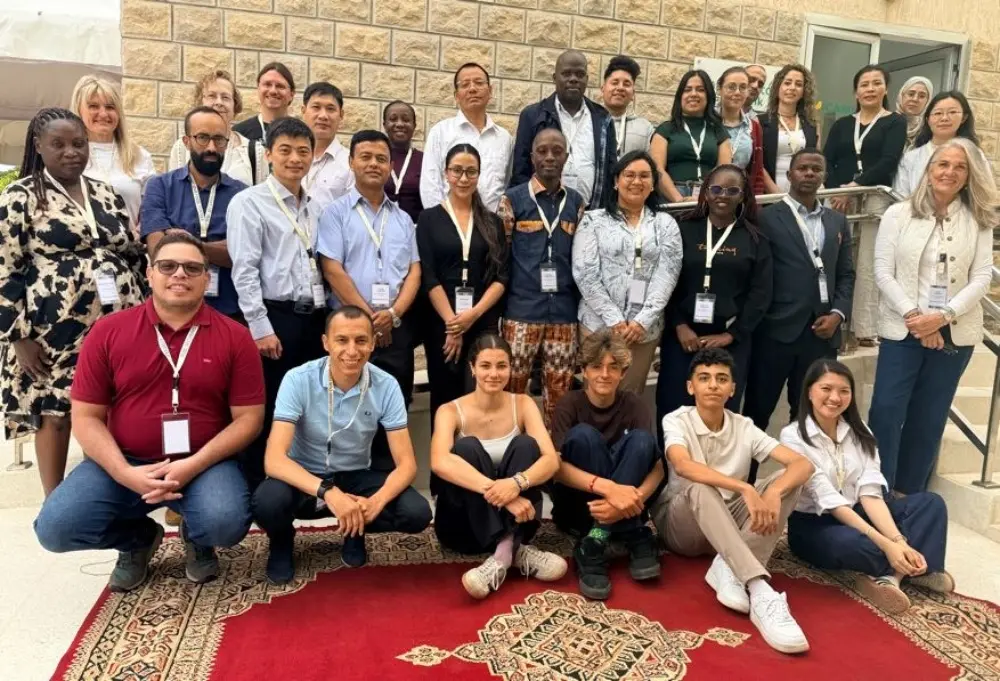
With this objective, researchers from the Colombian Plant Germplasm Bank for Food and Agriculture (BGAA), managed by AGROSAVIA, participated as special guests in the BOLD WP1 Genebank Operations and Advanced Learning (GOAL) – Seed Quality Management (SQM) Workshop 2026, held from June 8 to 12, 2026, at the ICARDA Genebank in Rabat, Morocco.
The Colombian delegation consisted of Manuel Guzmán Hernández, Lead Researcher of the Sexual Seed Conservation Project at La Selva Research Center, and Leidy Deantonio Florido, Manager of the Base Collection for Sexual Seed Conservation at the Tibaitatá Research Center.
The workshop was organized by the Global Crop Diversity Trust (Crop Trust) and the CGIAR Genebank Initiative, within the framework of the Biodiversity for Opportunities, Livelihoods and Development (BOLD) project, with support from the Norwegian Agency for Development Cooperation (Norad) and ICARDA. Its objective was to strengthen the technical and operational capacities of national genebanks in comprehensive seed quality management through the exchange of knowledge, methodologies, and international best practices.
AGROSAVIA's participation held particular significance. Although Colombia's Germplasm Bank is not currently part of the GOAL project, the Corporation was invited as a special participant in recognition of its technical expertise and the institutional strengthening process it has been undertaking with Crop Trust over recent months. This invitation represents a significant vote of international confidence and creates opportunities to consolidate future scientific cooperation initiatives and collaborative projects aimed at strengthening Colombia's national plant genetic resources conservation system.
International Training to Strengthen Seed Conservation
The workshop formed part of the capacity-building strategy of the BOLD project, an international initiative designed to improve the management of genebanks worldwide through the implementation of quality assurance systems, institutional strengthening, and the harmonization of technical procedures.
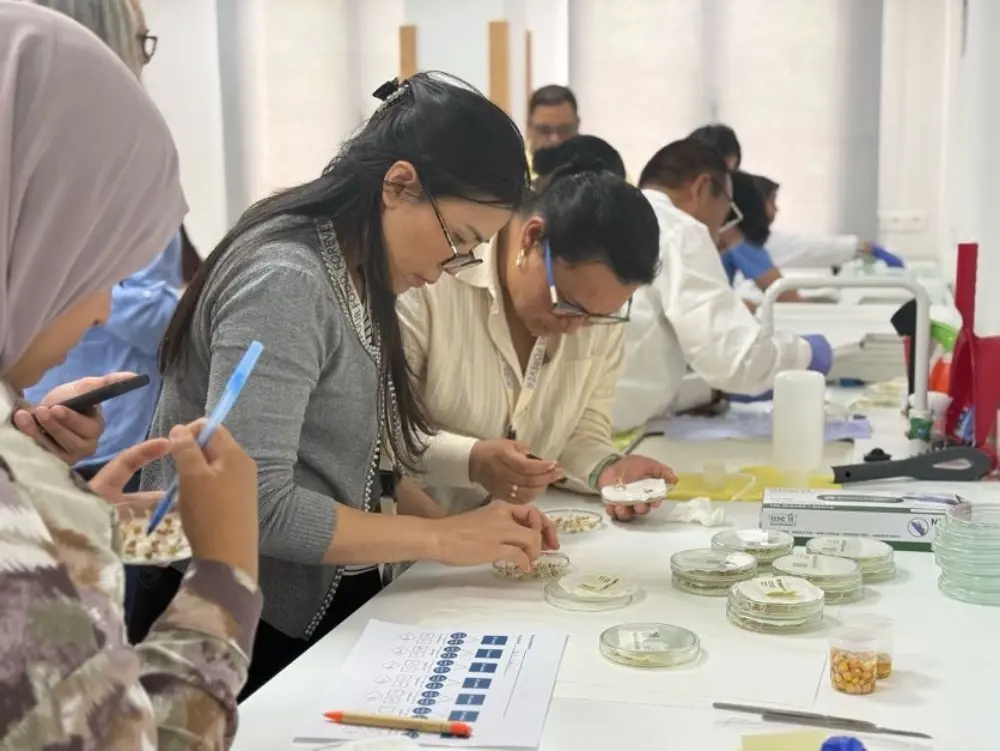
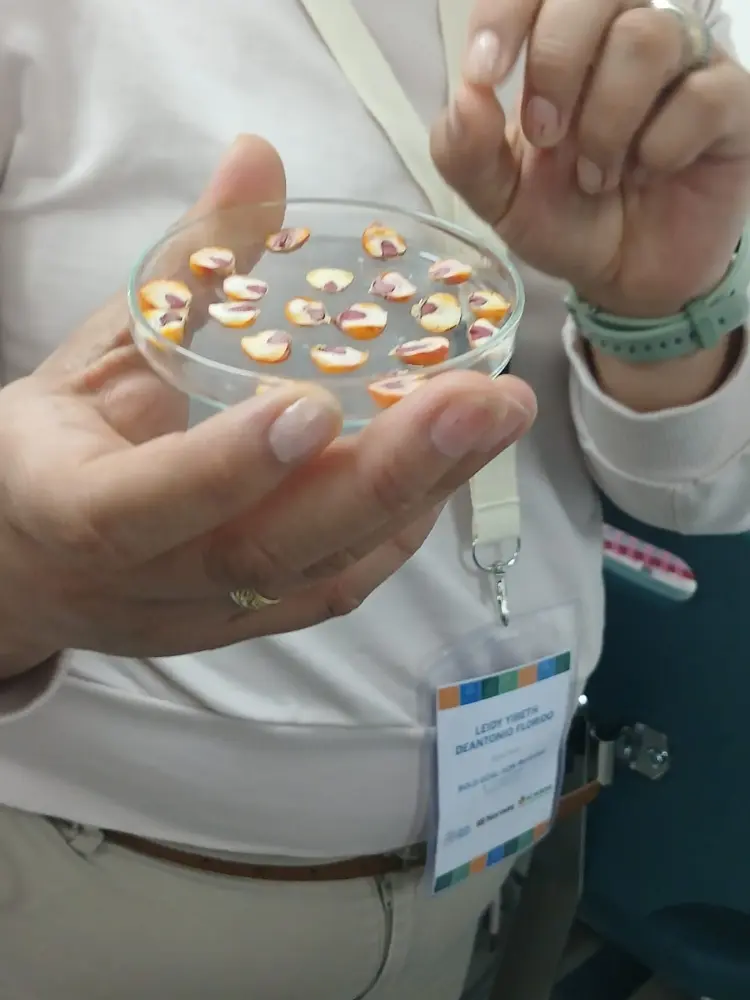
Over five days of intensive work, specialists from Africa, Asia, Europe, and Latin America exchanged experiences on the drying of orthodox and intermediate seeds, moisture content management, storage, viability and longevity monitoring, seed health, regeneration, documentation, traceability, and collection rationalization.
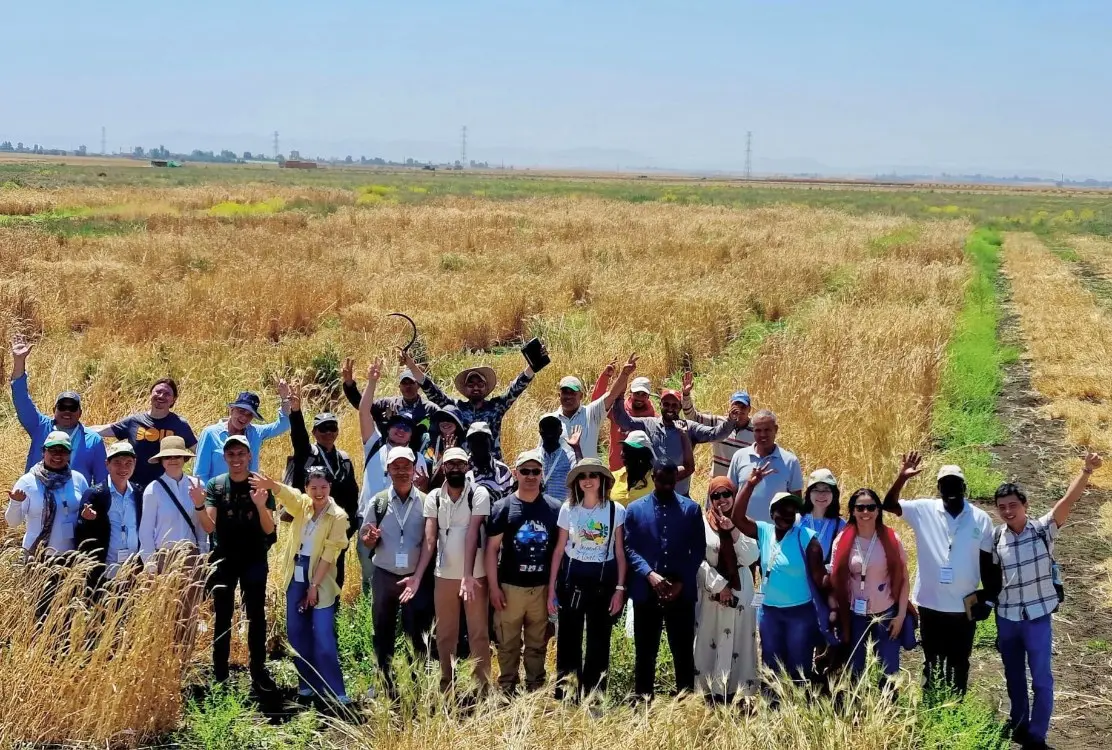
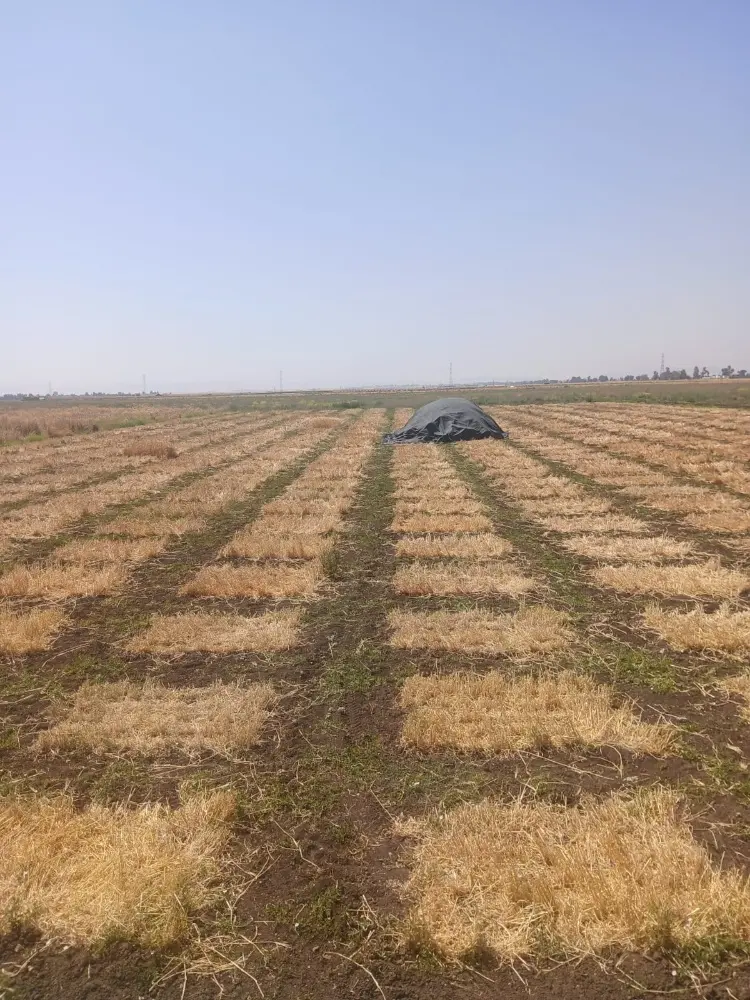
The program combined technical lectures with hands-on laboratory exercises and specialized visits to the ICARDA Genebank, where participants observed firsthand the implementation of the Seed Quality Management (SQM) and Quality Management System (QMS) frameworks. They also conducted technical visits to the Marchouch Experimental Station to observe accession regeneration protocols and toured the new National Genebank of the National Institute of Agronomic Research (INRA) of Morocco, where they learned about its infrastructure, operational workflows, and the application of international standards for seed conservation.
The workshop also strengthened technical exchange with representatives from national genebanks in Benin, Uganda, Tanzania, Morocco, Bhutan, Vietnam, Lebanon, Ecuador, Germany, and Denmark, thereby consolidating a valuable international network for scientific cooperation.
One of the workshop's central messages was that seed quality is not merely a laboratory activity but rather a cross-cutting process that begins with the production of plant material and determines the success of every stage of ex situ conservation, ensuring that plant genetic resources remain viable and available for future generations.
Strengthening Colombia's Germplasm Bank
The knowledge acquired during the workshop will strengthen multiple components of the seed conservation system of the Colombian Plant Germplasm Bank for Food and Agriculture.
Among the main applications are the optimization of seed harvesting, post-harvest handling, drying, and conditioning processes; the enhancement of moisture, viability, and longevity monitoring; the scientific prioritization of accessions requiring regeneration based on technical evidence; the consolidation of documentation and traceability systems; the strengthening of safety duplication strategies; and the incorporation of an institutional culture of quality assurance aligned with international standards.
These advances will improve the efficiency and reliability of conservation processes, ensuring safer, more viable, and more accessible collections for research, plant breeding, and agricultural development programs, while strengthening Colombia's capacity to conserve and sustainably utilize its plant genetic heritage.
A Continuous Process of Institutional Capacity Building
AGROSAVIA's participation in this workshop is part of an ongoing institutional capacity-building process carried out in collaboration with leading international organizations dedicated to the conservation of plant genetic resources.
Over recent months, the technical team responsible for conserving orthodox and intermediate seeds has participated in several training activities promoted by Crop Trust, including the international Seed Quality Management (SQM) course and the QMS Intensive Workshop, both designed to strengthen the implementation of modern quality management and quality assurance systems in genebanks.
This continuous training process enables the incorporation of up-to-date technical tools, the harmonization of procedures with international standards, and the strengthening of the human capital that supports the conservation of Colombia's agricultural genetic heritage.
International Cooperation to Conserve Agricultural Biodiversity
The conservation of agricultural biodiversity is a global challenge that requires close collaboration among research institutions, genebanks, and international organizations.
In this context, AGROSAVIA's participation in initiatives led by the Crop Trust, the CGIAR Genebank Initiative, and ICARDA strengthens the Corporation's scientific capabilities, promotes knowledge exchange with world-leading institutions, and positions Colombia as a committed partner in conserving and sustainably using plant genetic resources for food and agriculture.
These collaborative initiatives also facilitate the identification of innovative solutions that can be adapted to the national context, strengthen international cooperation networks, and contribute to the development of future scientific and technological partnerships.
Conserving Seeds Means Conserving the Future
Today, genebanks face the challenge of ensuring the effective, long-term conservation of increasingly diverse collections while maintaining high standards of quality, traceability, and operational sustainability in the face of climate change, the natural aging of seeds, and the growing demand for genetic resources to support research and agricultural adaptation.
This challenge is compounded by the need to ensure that conserved plant genetic resources are made available to researchers, plant breeders, and producers in a responsible, transparent, and equitable manner, thereby strengthening confidence in germplasm conservation and distribution processes.
Every conserved seed represents thousands of years of evolution, adaptation, and selection carried out by nature and by generations of farmers. Preserving this genetic diversity safeguards opportunities to develop more productive, resilient, and sustainable crops capable of addressing the food and nutritional security challenges of the coming decades.
Strengthening the capacities of the Colombian Plant Germplasm Bank for Food and Agriculture through international cooperation is therefore a strategic investment in protecting one of the country's most valuable biological assets and in ensuring that genetic diversity continues to drive innovation, sustainability, and the well-being of present and future generations.
Biodiversity for Opportunities, Livelihoods and Development (BOLD) is an international initiative led by the Global Crop Diversity Trust (Crop Trust) and funded by the Norwegian Agency for Development Cooperation (Norad). Its mission is to strengthen the technical and institutional capacities of national genebanks, improve the conservation and availability of plant genetic resources, and promote their sustainable use to support food security, climate change adaptation, and agricultural development.
- More information here:
- María Elena Londoño Rubio
- Communications, Identity and Corporate Relations Professional
- Center for Research and Technology Transfer Tibaitatá
- Communications, Identity and Corporate Relations Advisory Office
- melondono@agrosavia.co
- AGROSAVIA