


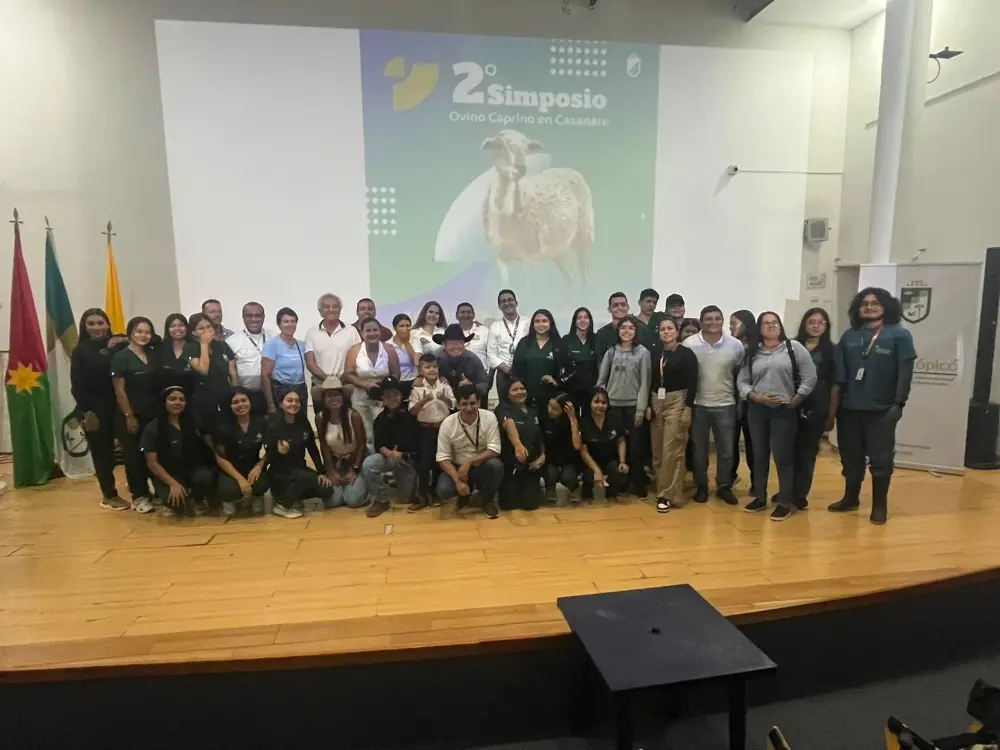
Yopal, Casanare. July 27, 2026. During a week of coordinated activities involving research institutions, producers, and academia, AGROSAVIA carried out a strategic initiative in Casanare aimed at advancing the conservation of Colombian Creole sheep and strengthen the capacities of the sheep and goat production chain in the Orinoquia region.
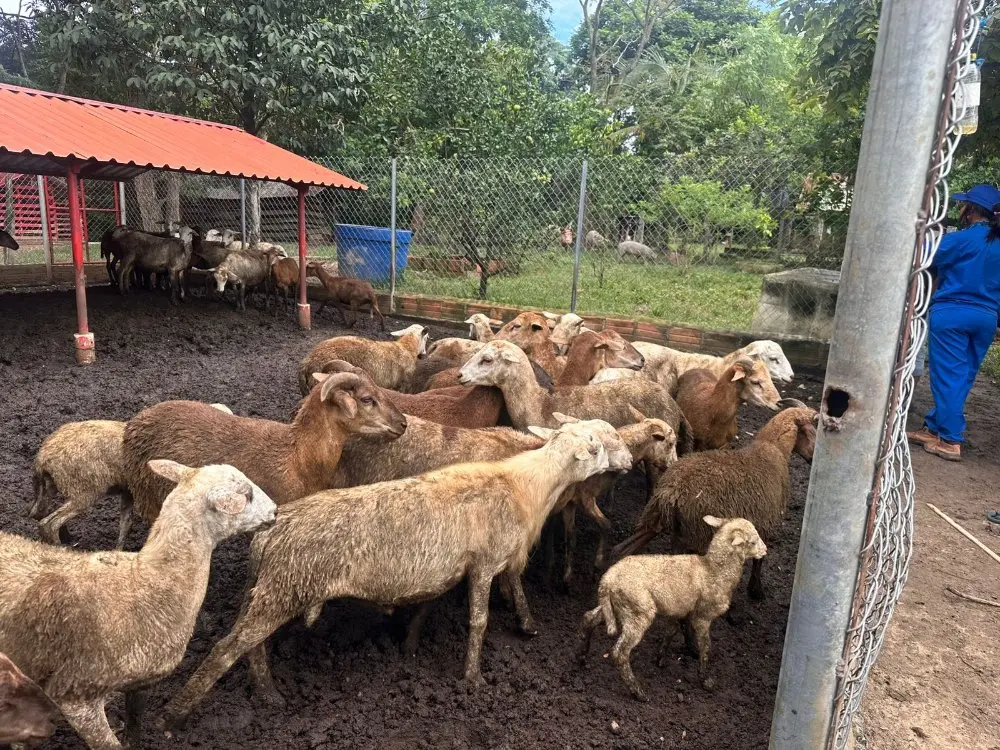
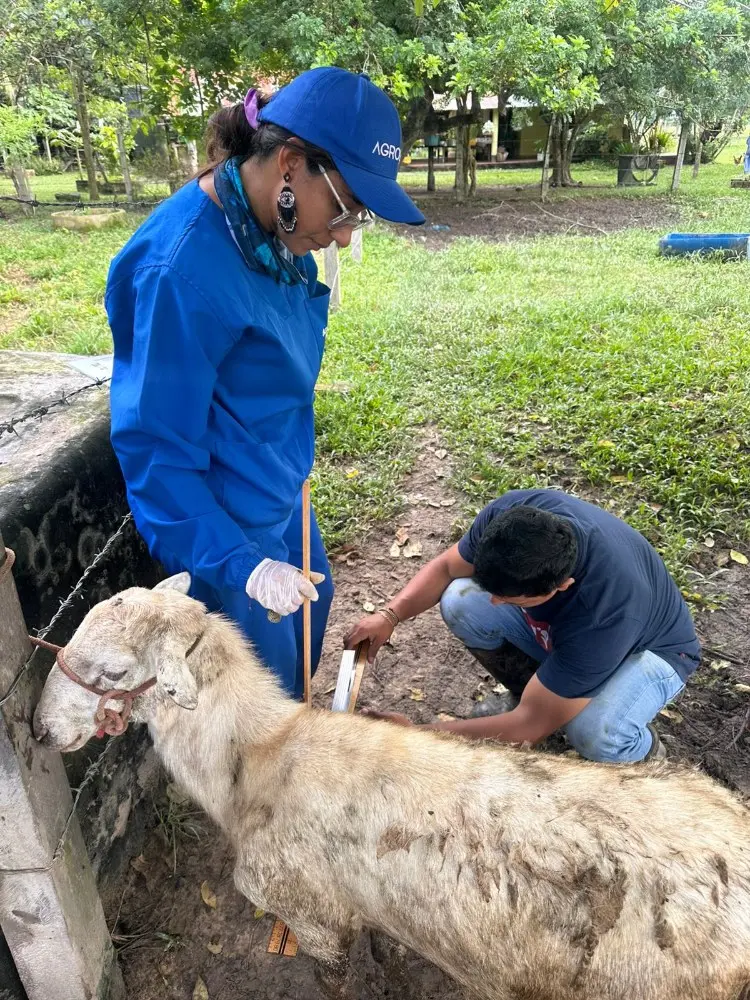
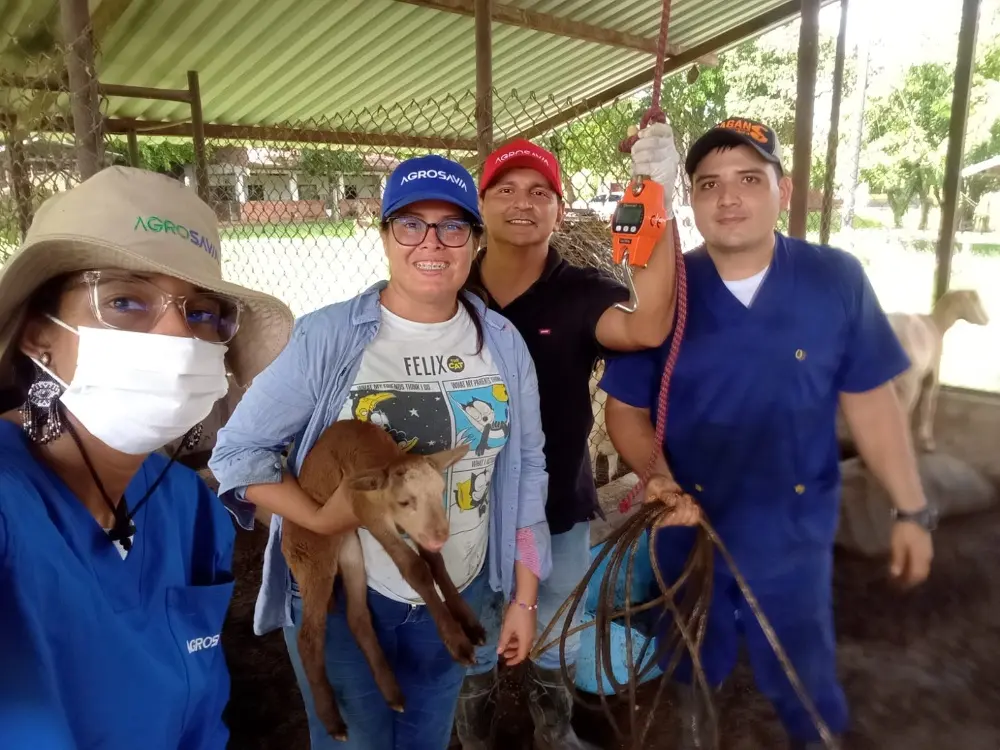
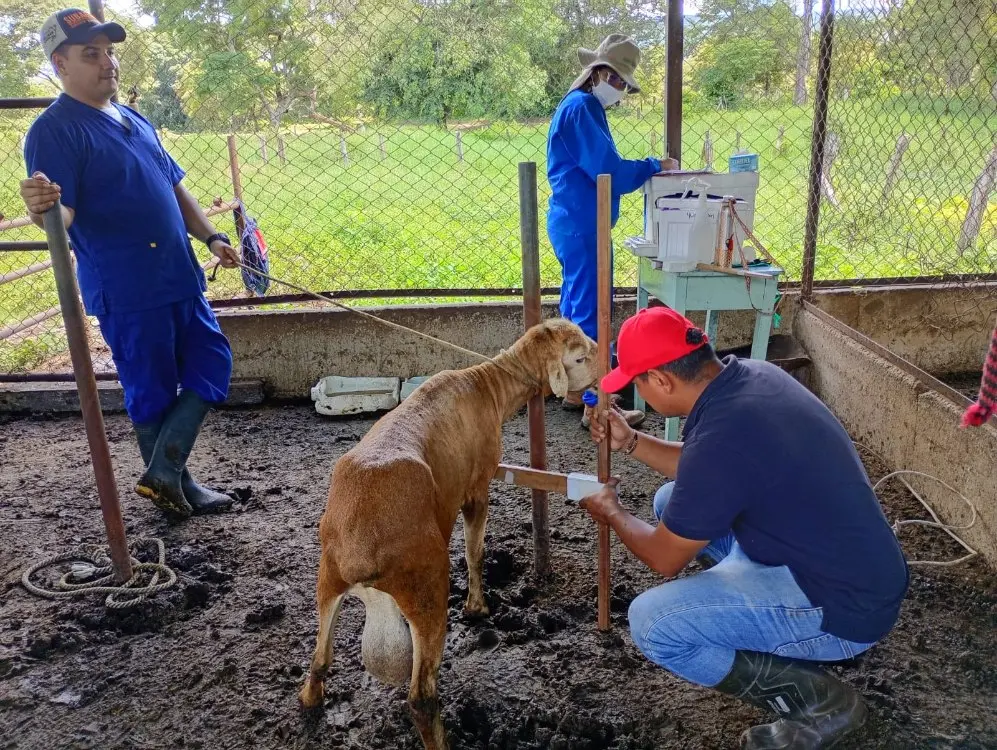
As part of the Lowland Tropical Sheep and Goat Germplasm Bank – Phase I project, phenotypic and biological sampling was conducted on three representative farms raising Creole sheep in the department. The objective was to identify and conserve animals with high genetic value that are well adapted to the environmental conditions of the Colombian Altillanura. The municipalities visited were Hato Corozal, Paz de Ariporo, and Yopal.
The agenda also included participation in the organization of the 2nd Casanare Sheep and Goat Symposium: Strengthening Sustainability, Productivity, and the Conservation of Sheep Genetic Diversity in the Orinoquia, held at the International University of the American Tropics (Universidad Internacional del Trópico Americano - UNITRÓPICO). The symposium served as a platform to showcase AGROSAVIA’s technological portfolio for the sector, present the project's progress, strengthen technical capacities, and promote collaboration among stakeholders across the production chain. Organized by AGROSAVIA, the Government of Casanare, UNITRÓPICO, the Regional Sheep and Goat Production Chain Committee, and other partner institutions, the event exceeded participation expectations by bringing together 120 attendees, including producers, students, researchers, industry professionals, and institutional representatives. It has become one of the region’s leading technical forums for knowledge exchange and capacity building in sheep production.
The symposium aimed to foster knowledge exchange on sustainable production systems and the conservation of animal genetic resources, with a particular emphasis on innovation, inclusion, and the social appropriation of knowledge. The program featured presentations on animal health characterization, genetic diversity, conservation of animal genetic resources, AGROSAVIA’s technological portfolio, and opportunities for the development of sheep production in the Orinoquia region. The event concluded with a participatory panel discussion focused on developing regional recommendations to strengthen the sector.
Key Messages for Strengthening the Regional Production Chain
During the closing panel discussion, Jorge Gamba, representative of the Regional Sheep and Goat Production Chain of Casanare, emphasized the importance of directing research efforts toward the sector’s main animal health and market challenges. “Research should prioritize hoof disorders that reduce flock productivity while also promoting the consumption of sheep and goat meat, milk, and other products, thereby strengthening local and regional markets.”
Harvinn Avendaño, a veterinarian supporting the regional production chain through the Government of Casanare, highlighted that “the department has exceptional conditions to establish itself as a national benchmark for sheep production.” He called for stronger partnerships among universities, research centers, public institutions, and producers to develop collaborative projects that foster innovation and facilitate knowledge transfer. Likewise, UNITRÓPICO faculty members and researchers Ciro Ortiz Valdés and Luis Tarazona Manrique stressed that the continued growth of the sector requires strengthening the education and training of professionals, technicians, and young researchers through academic and extension programs that build highly qualified human talent capable of addressing the productive and animal health challenges facing the regional production chain.
Clara Viviana Rúa Bustamante, AGROSAVIA’s researcher and leader of the Lowland Tropical Sheep and Goat Germplasm Bank project, emphasized that the sector’s growth requires a comprehensive approach integrating innovation, inclusion, and sustainability. “The future of sheep production in the Orinoquia depends on creating greater opportunities for rural women, strengthening collaboration among research institutions, producers, and academia, promoting environmentally responsible, sustainable, and regenerative livestock systems, and making progress on mixed production models that integrate locally adapted Creole sheep with cattle production systems characteristic of the Colombian Altillanura to address current climate challenges.”
Conservation Driving Sustainable Development
The Sheep and Goat Germplasm Bank project aims to identify, characterize, and conserve sheep genetic resources adapted to the Colombian tropics, thereby contributing to food security, the resilience of livestock production systems, and the preservation of livestock biodiversity. Activities in Casanare mark an important step toward establishing a national conservation network for Colombian Creole sheep, promoting their sustainable use and supporting the development of technologies that meet producers’ needs. The broad participation of producers, students, and institutions demonstrated the region’s commitment to strengthening a more competitive, sustainable, and inclusive sheep production chain capable of responding to climate change while creating new economic opportunities for rural families across the Orinoquia region.
“Conserving Colombian Creole sheep means preserving a strategic genetic heritage essential to building more resilient, sustainable, and competitive livestock production systems for Colombia,” Rúa concluded.
- More information here:
- Darlin Conrado Mosquera
- Communications, Identity and Corporate Relations Professional
- Research Center La Libertad
- Communications, Identity and Corporate Relations Advisory Office
- dconrado@agrosavia.co
- AGROSAVIA