

- The participation of researcher Clara Rúa in the Silk Road Caravan and the Conference of the Parties to the United Nations Convention to Combat Desertification (UNCCD) made it possible to showcase experiences developed with Wayuu pastoralist communities in La Guajira, Colombia, and to strengthen knowledge exchange on land restoration, grassland sustainability, and climate resilience.
Bogotá, Capital District. August 28, 2026. Corporación colombiana de investigación agropecuaria, AGROSAVIA, participated in the Silk Road Caravan and the seventeenth Conference of the Parties to the United Nations Convention to Combat Desertification (COP17), held in Ulaanbaatar, Mongolia, from August 17 to 28, through Researcher Clara Viviana Rúa Bustamante, from the Motilonia Research and Technology Transfer Center (CIT). She was invited by the UNCCD to represent Latin American experiences related to pastoral systems, land restoration, and the sustainable management of natural resources, as she is an active member of the Pastoraméricas Network and due to AGROSAVIA’s affiliation with the Global Alliance within the framework of the International Year of Rangelands and Pastoralists (IYRP2026).
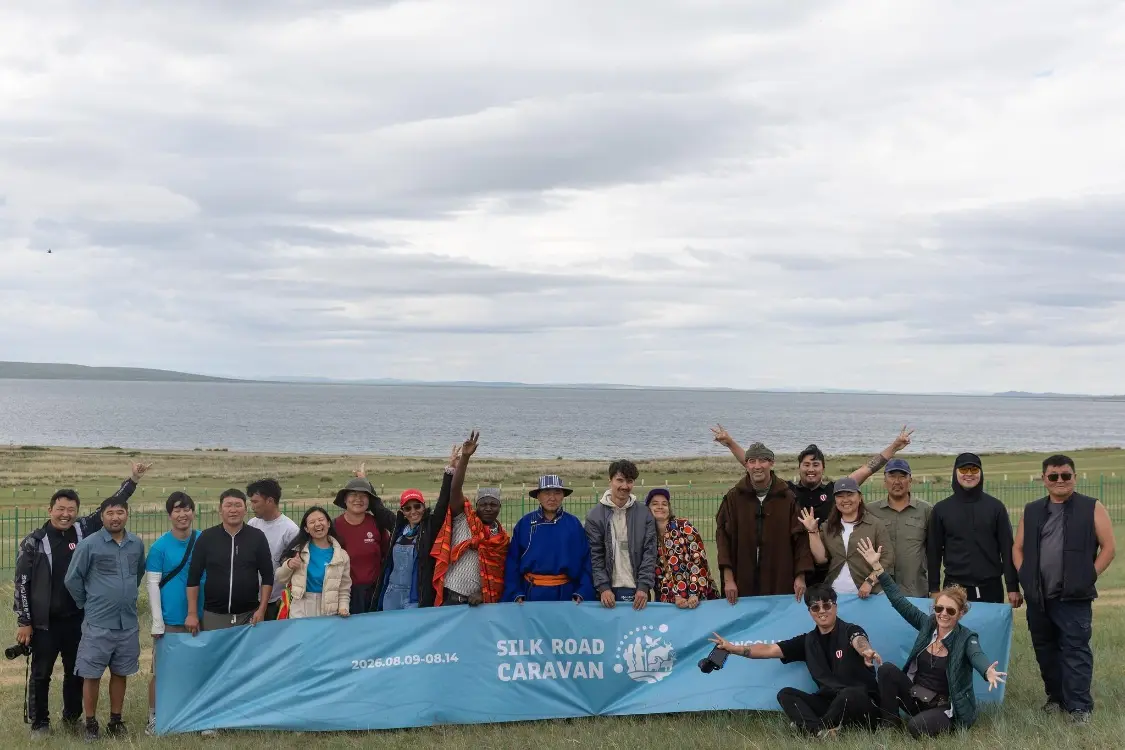
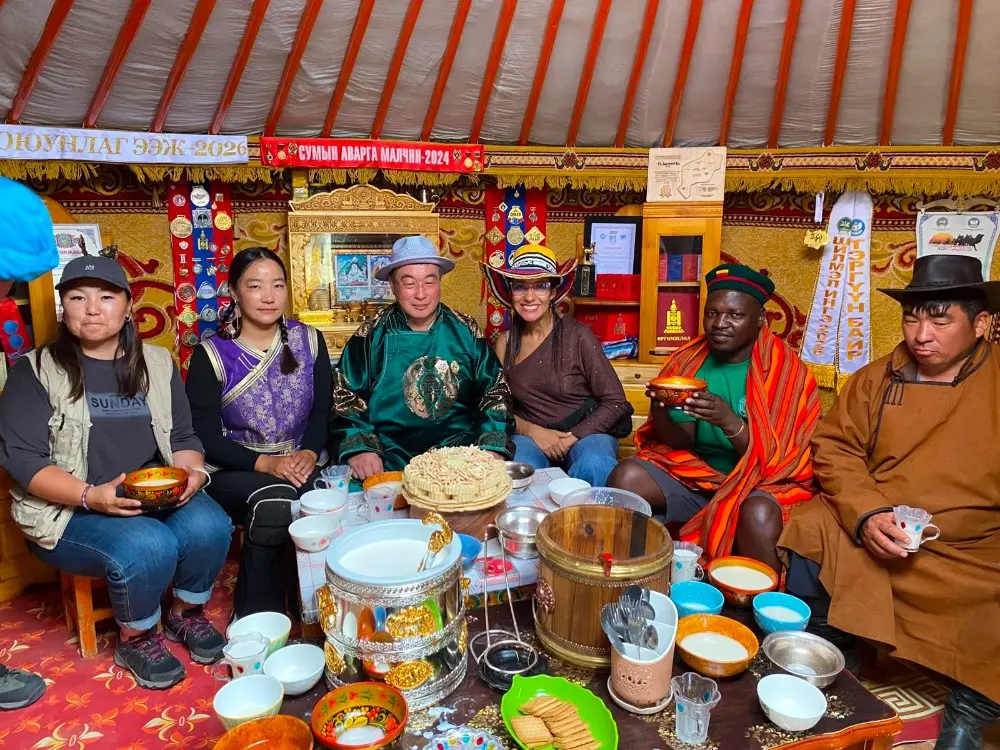
The researcher participated in two strategic settings. The first was the Silk Road Caravan, an international initiative that traveled more than 6,000 km through multiple countries, ending in Mongolian territory, to promote knowledge exchange on rangelands, pastoralism, and ecosystem restoration, while considering the sociocultural aspects of pastoralist communities. In this setting, AGROSAVIA represented South America on the caravan's final leg, sharing experiences and lessons learned on the sustainable management of pastoral systems in dry and vulnerable territories.
During the Silk Road Caravan, organized by the UNCCD and Mongolia’s Ministry of Culture, Sports, Tourism and Youth, participants visited ecosystems affected by desertification, research centers focused on rangeland restoration, nomadic pastoralist communities, and internationally recognized initiatives for their progress in ecosystem conservation and recovery. These activities enabled the exchange of knowledge on climate change adaptation, sustainable land management, and the strengthening of livelihoods for communities that depend on rangelands.
For Clara Rúa, the Silk Road Caravan experience was particularly significant because it offered an opportunity to immerse in the Mongolian context from a holistic, international perspective. The experience enabled not only the exchange of technical knowledge with participants from Africa and Asia but also deep cultural exchange and the identification of common challenges and opportunities for pastoralist systems across these continents. She also highlighted the international commitment to mainstreaming a gender perspective; the participation of Indigenous communities, youth, and civil society; and the integration of science, technology, and local knowledge as fundamental elements for strengthening dialogue spaces, decision-making, and the development of strategies for the sustainable future of pastoralism and rangelands.
The second setting involved participation in COP17 and associated events, including the Global Pastoralists’ Meeting and the initial sessions of the UNCCD Committee on Science and Technology, in collaboration with members of the Group of Latin American and Caribbean Countries (GRULAC). These spaces brought together researchers, governments, international organizations, pastoralist communities, and decision-makers from more than one hundred countries to discuss solutions to land degradation, drought, and biodiversity loss, involving pastoralists, traditional and technical knowledge, and technology transfer.
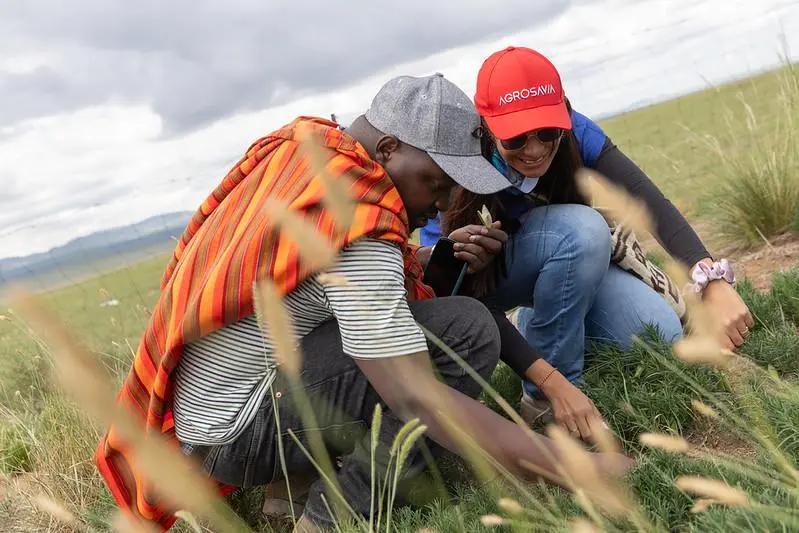
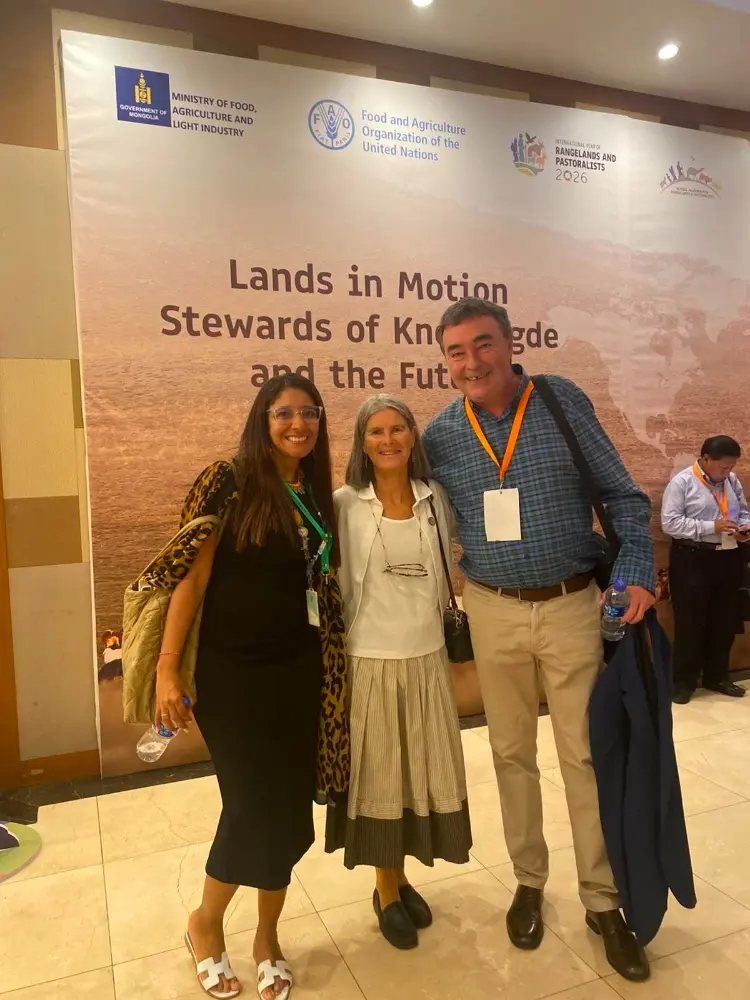
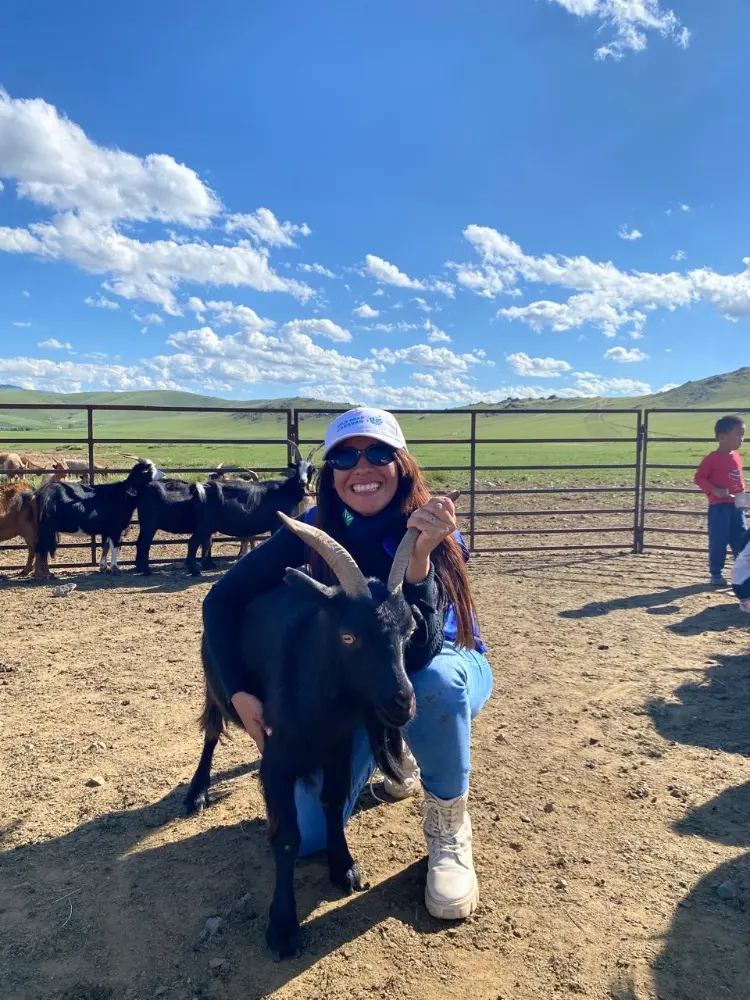
In this international setting, AGROSAVIA shared experiences developed over more than a decade of work with Wayuu Indigenous communities in La Guajira, related to sheep and goat pastoral systems, sustainable management of forage resources, ecosystem restoration, silvopastoral systems, and the co-construction of knowledge based on scientific and traditional knowledge, the conservation of protected areas, a gender perspective, and the incorporation of technologies. These initiatives have made it possible to generate alternatives to strengthen productive sustainability, conserve biodiversity, and improve the resilience of territories in the face of climate variability.
“AGROSAVIA’s main contribution to the dialogue spaces of the Silk Road Caravan and COP17 was to showcase a Colombian experience of science connected to the territory, where participatory research, dialogue between different knowledge systems, and joint work with Indigenous communities allowed us to simultaneously address ecosystem conservation and rural livelihoods,” highlighted Clara Rúa during her participation in the event.
AGROSAVIA’s presence in Mongolia enabled us to bring the experience of Colombia and Latin America to the global agenda on desertification and land restoration. The Corporation highlighted the importance of recognizing the knowledge generated by pastoralist, peasant, and Indigenous communities, as well as the need to strengthen international scientific cooperation to address common challenges related to soil degradation, food security, and climate change adaptation.
The knowledge, partnerships, and cooperation opportunities arising from this participation may help strengthen productive systems in the country's dry and semi-arid regions, particularly in territories such as La Guajira, Cesar, and Magdalena, as well as in other agricultural areas facing challenges associated with drought, land degradation, and climate variability.
AGROSAVIA’s participation in the international arena reaffirms its commitment to coordinating actions with organizations and networks that promote land restoration through an integrated approach grounded in science and local knowledge, thereby strengthening opportunities for cooperation in restoration, pastoral systems, biodiversity, and climate adaptation. In this context, the Motilonia CTI and AGROSAVIA have the potential to become a benchmark for Colombia and South America, promoting concrete and measurable actions with verifiable results and impacts in response to the challenges facing drylands and pastoralist systems.
- More information here:
- Nicolás Hartmann Robledo
- Press and Digital Dissemination Leader
- Headquarters
- Communications, Identity and Corporate Relations Advisory Office
- nrobledo@agrosavia.co
- AGROSAVIA