


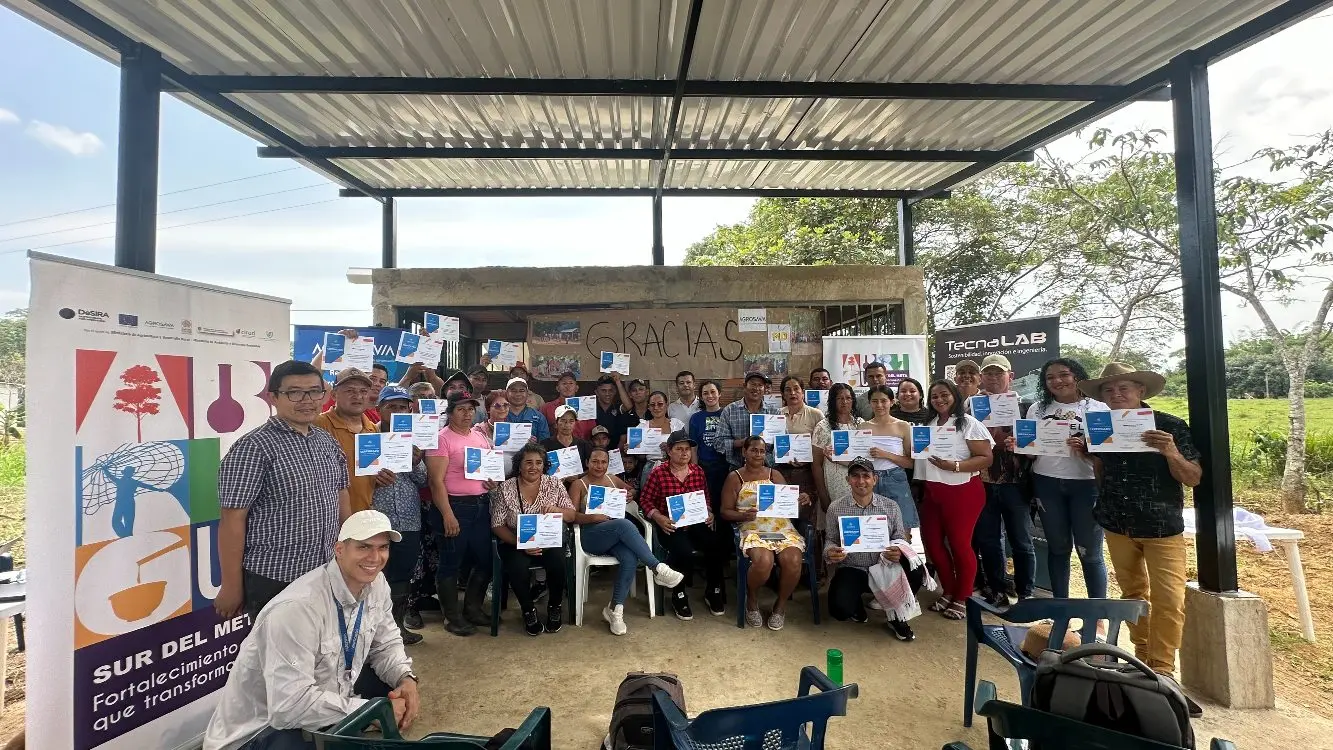
Villavicencio, Meta. April 28, 2026. Within the framework of the ABRIGUE–DeSIRA 2020 CO project, an initiative led by the SINCHI Institute in partnership with AGROSAVIA, to strengthen territorial capacities in agroecology, responsible artisanal fishing, and circular bioeconomy, implemented strategic actions in the southern region of the Meta department to enhance the resilience of productive systems to climate change through an agroecological approach.
In this region, agricultural and livestock production systems face significant risks associated with climate variability, including high temperatures and fluctuating rainfall patterns. In addition, the use of chemically synthesized inputs threatens the sustainability of the agricultural sector in the region. These conditions directly affect key crops such as coffee, cacao, plantain, and maize, as well as extensive and dual-purpose cattle production systems, compromising the productive sustainability of rural families.
In response to this scenario, ABRIGUE prioritized actions that go beyond traditional infrastructure-based interventions. Instead, the focus was placed on strengthening local capacities, particularly by promoting bioeconomy as a pathway toward agroecological transition, one of the project’s most relevant activities.
As part of this strategy, and in partnership with Corporación Universitaria Minuto de Dios – UNIMINUTO, a pilot initiative was implemented with the ASOPROCAVIS association in the municipality of Vista Hermosa, Meta. A dedicated space for producing biopreparations was established through a biofactory, conceived as a practical tool to enable producers to manufacture their own agricultural inputs, reduce production costs, and decrease the use of chemically synthesized fertilizers, as one of the first steps toward an agroecological transition.
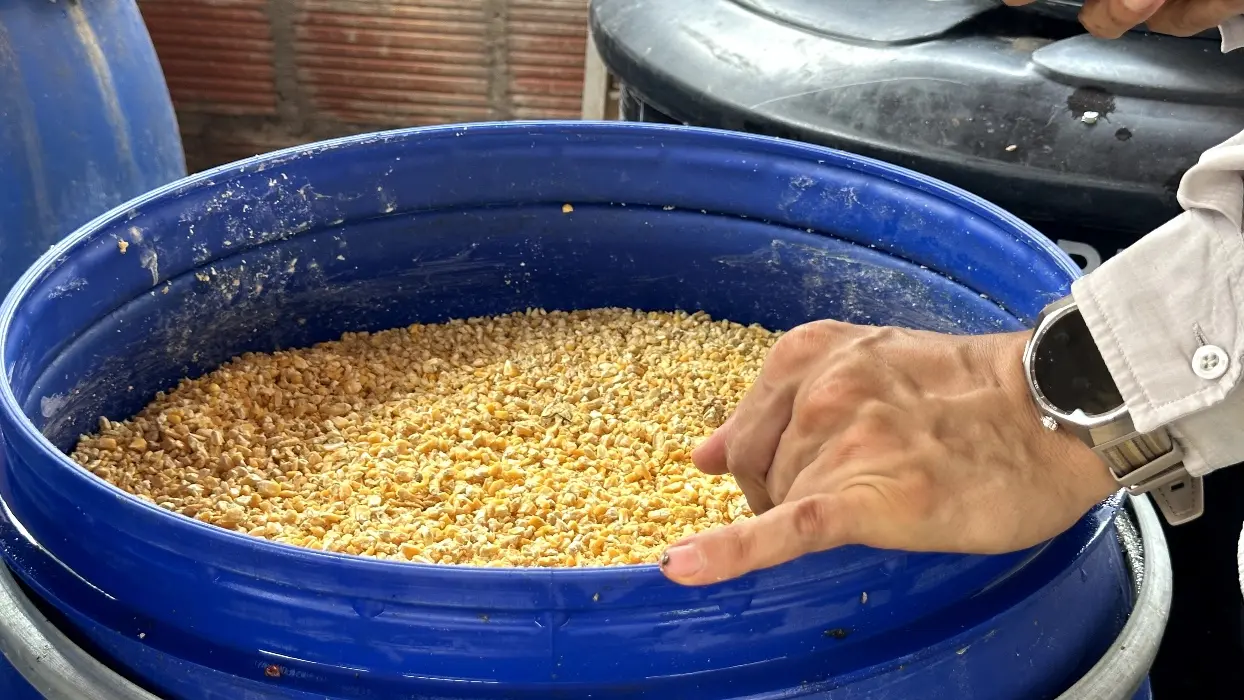
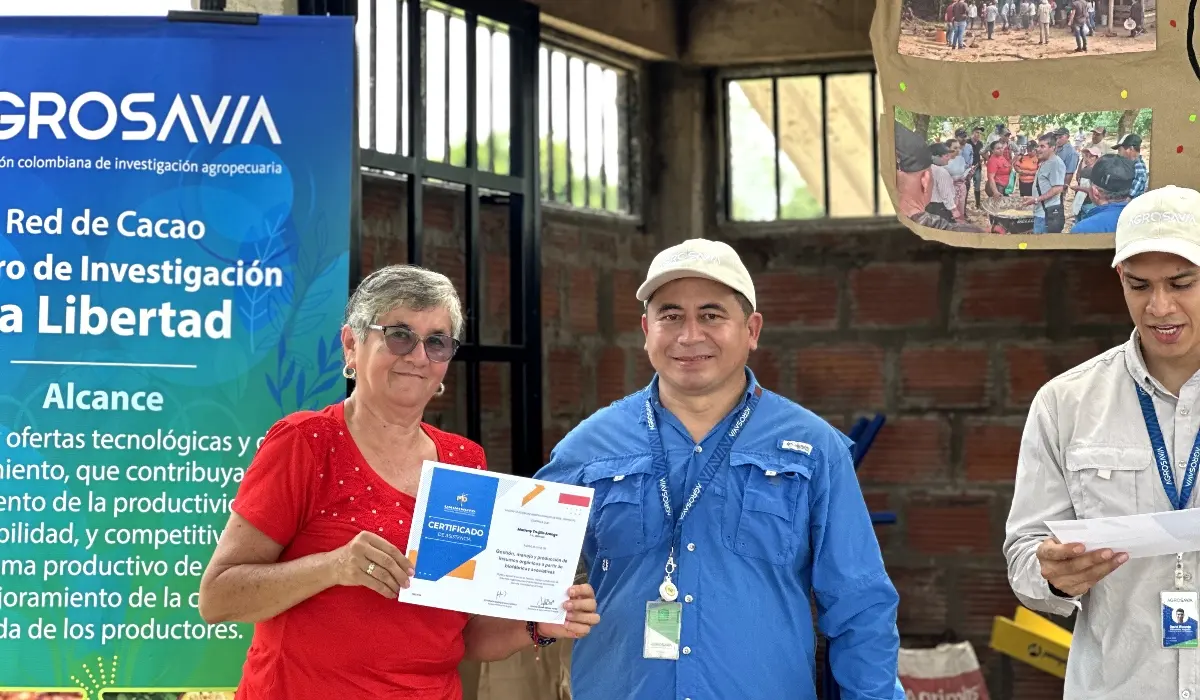
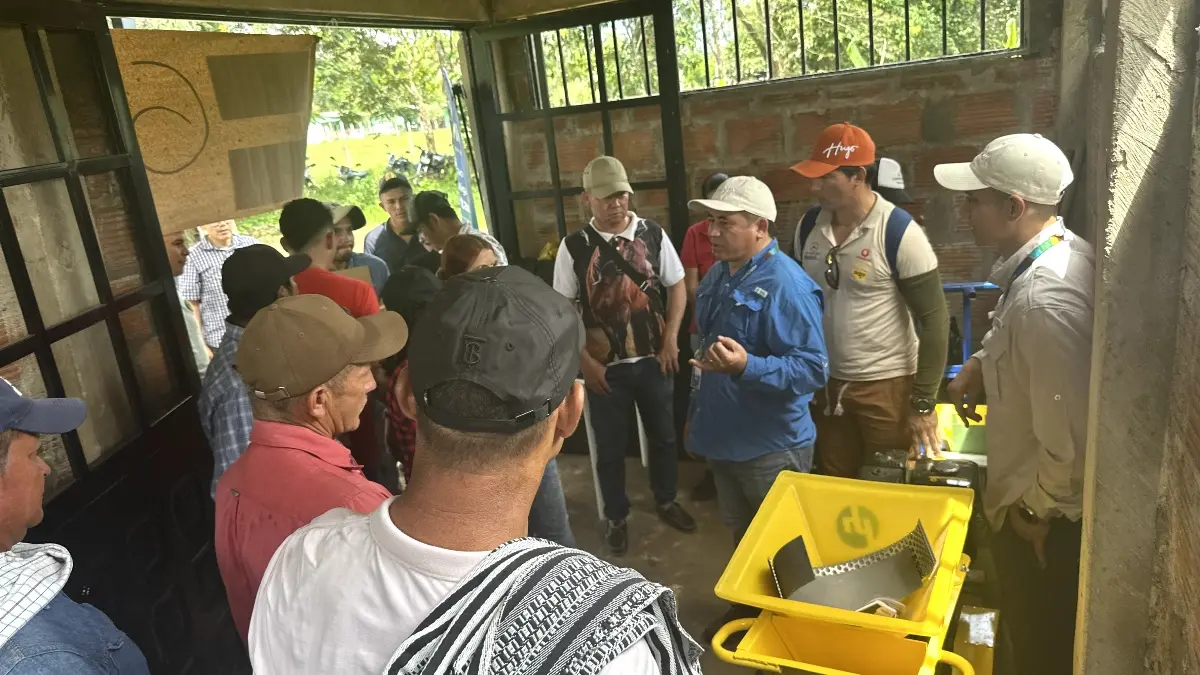
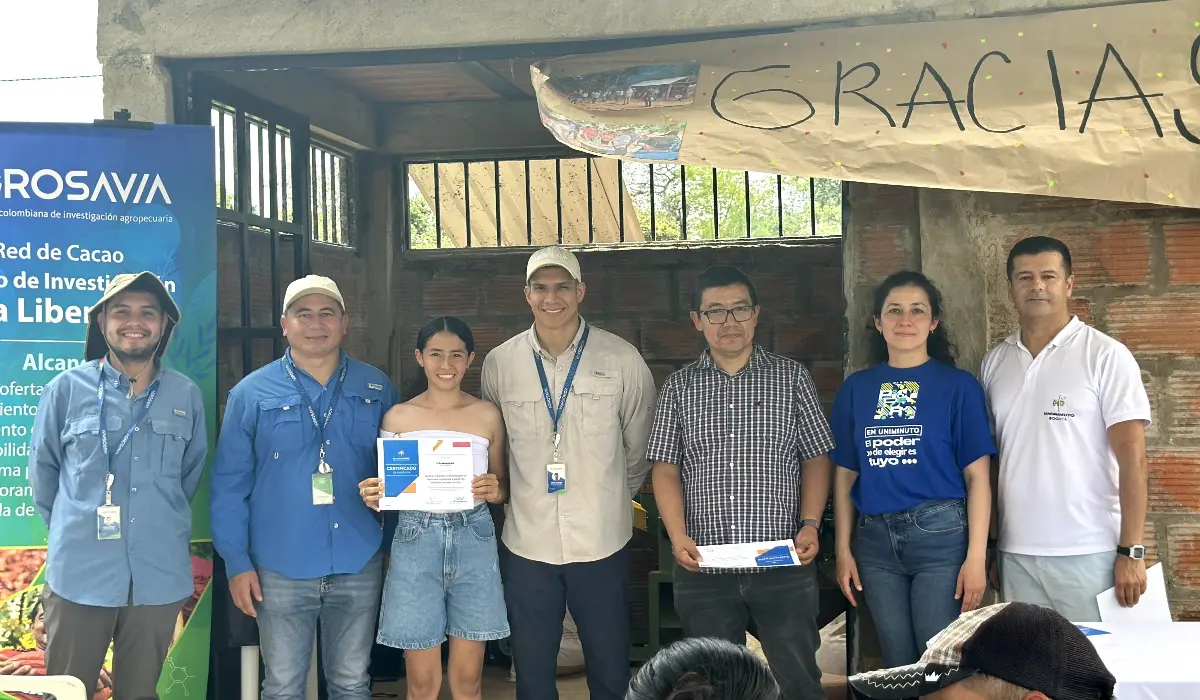
The process included a training component structured around three key workshops:
- Biofactory management: construction, operation, and application of bioproducts and organo-mineral fertilizers.
- Composting: design, management, and production as a foundation for sustainable fertilization.
- Biopreparations and animal nutrition: use of mountain microorganisms to improve soil health, together with the formulation of feed diets for poultry, swine, and cattle.
This intervention has directly benefited nearly 60 farming families engaged in cocoa, plantain, cassava, and livestock production systems, strengthening their technical capacities and promoting more sustainable practices. This space brings together producer associations from different value chains, creating an environment for knowledge exchange, technical assistance, and organizational strengthening. Although the biofactory was initially established for the ASOPROCAVIS association, its scope extends beyond internal use, positioning it as a demonstration and learning center open to producers across the region interested in replicating these practices.
In line with this training and hands-on process, the biofactory has also enabled validation of the composition and quality of the products developed by the communities themselves. Laboratory analyses of some of the products produced in this facility revealed that these inputs have a balanced nutritional composition, containing essential nutrients such as nitrogen in available forms, phosphorus, potassium, calcium, and magnesium, as well as trace elements essential for crop development.
The analyses also identified the presence of presumptive beneficial microorganisms, including bacterial genera such as Bacillus, widely recognized for their capacity to stimulate biological soil processes and enhance organic matter decomposition.
These results position the biofactory as a space where farmer-based practices, science, and innovation converge to promote sustainable alternatives that improve productivity and the health of agricultural systems throughout the territory.
- More information here:
- Darlin Conrado Mosquera
- Communications, Identity and Corporate Relations Professional
- Center for Research and Technology Transfer La Libertad
- Communications, Identity and Corporate Relations Advisory Office
- dconrado@agrosavia.co
- AGROSAVIA