

- AGROSAVIA invites stakeholders to participate in the public consultation on the Global Declaration of Pastoralist Women
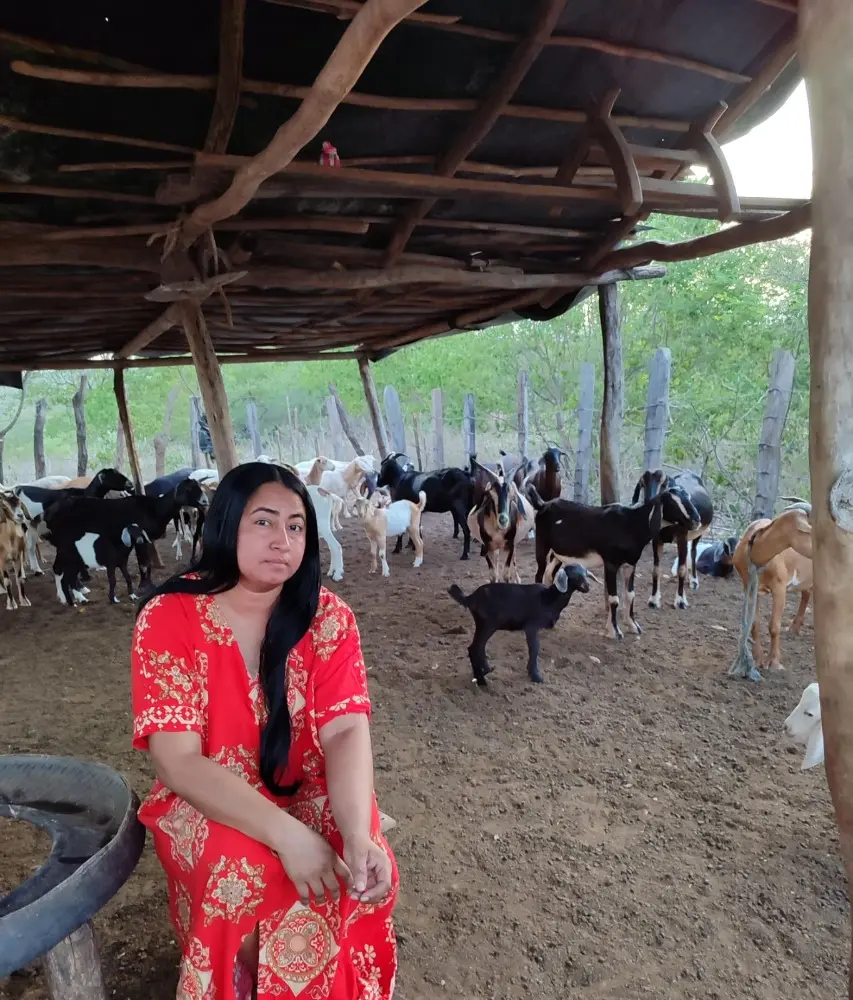
Agustín Codazzi, Cesar. July 21, 2026. The participation of the Wayuu Indigenous leader Mayra Quintero in the Global Gathering of Pastoralist Women, held in Kathmandu, Nepal, in May 2026, was made possible by AGROSAVIA’s work within the framework of the International Year of Rangelands and Pastoralists (IYRP 2026) and the International Year of Women Farmers. These initiatives promote recognition of the contributions of rural and pastoralist women to food security, biodiversity conservation, the sustainable management of natural resources, and the development of resilient agrifood systems. Her participation was also supported by the International Centre for Integrated Mountain Development (ICIMOD), a regional organization headquartered in Kathmandu, which facilitated and funded the participation of pastoralist women leaders from different regions of the world. This support strengthened the representation of Indigenous Peoples and pastoralist communities in this global forum, fostering intercultural dialogue that recognizes women as custodians of territories, biodiversity, animal genetic resources, and traditional knowledge, as well as their contributions to developing solutions to climate change and land degradation.
As part of this commitment, AGROSAVIA actively participates in the PastorAmericas Network, a platform that brings together researchers, producer organizations, pastoralist communities, and institutions across the Americas to strengthen research, knowledge management, and international cooperation. Within this framework, Clara Viviana Rúa, Researcher at AGROSAVIA’s Motilonia Research Center, represents the Corporation and serves as a member of the IYRP 2026 Pastoralism and Gender Working Group, where she contributes to developing international initiatives that recognize pastoralist women as key actors in knowledge generation, the conservation of animal genetic resources, climate change adaptation, innovation for sustainable production, and the transmission of ancestral knowledge. Rúa emphasizes the importance of integrating knowledge management, participatory research, the inclusion of rural women and youth, and South–South cooperation as strategic elements for strengthening pastoral systems.
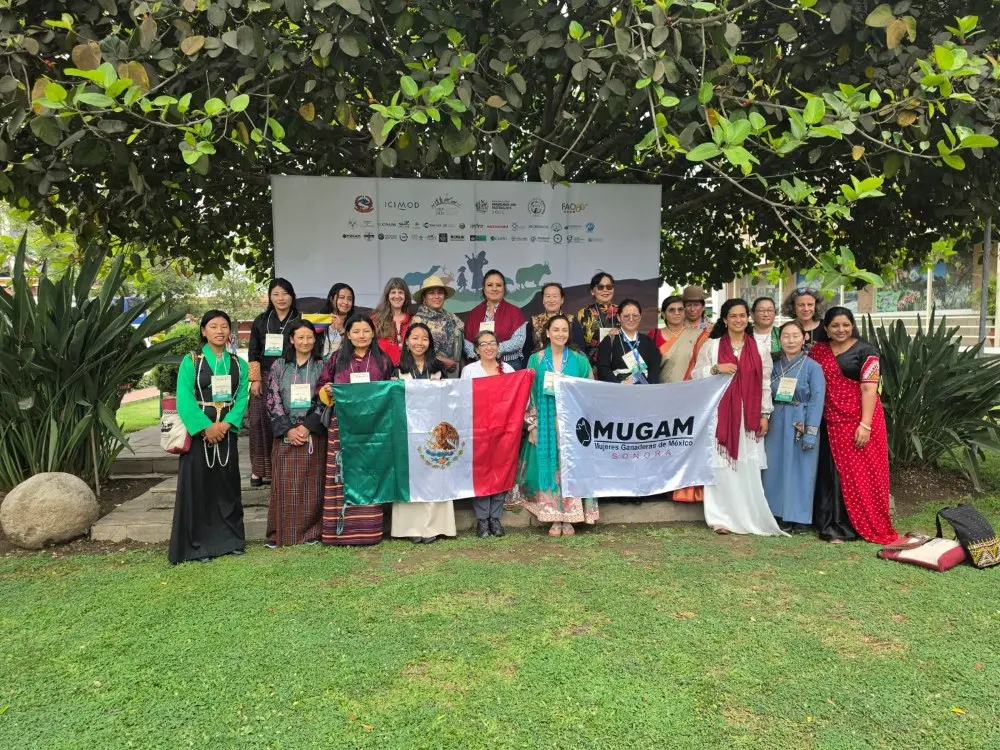
This collaboration enabled Colombia’s participation in the global gathering in Kathmandu in May 2026, an event that brought together more than 90 pastoralist women from 40 countries to establish the first global network of pastoralist women and advance the development of a shared agenda to strengthen their participation in policies related to the environment, rural development, food security, and the sustainable governance of pastoral territories. Among the Latin American representatives was the Wayuu Indigenous leader Mayra Quintero, from the Provincial Indigenous Reservation in Barrancas, La Guajira, who shared the experiences of Wayuu pastoralist women, whose culture has long maintained a relationship with sheep and goat herding in the Colombian Caribbean. During the gathering, she participated in dialogue sessions, knowledge exchange, and the collaborative development of proposals alongside women from different regions of the world. “Participating in this gathering was a deeply transformative experience. I discovered that although we live in different territories and cultures, we share the same challenges in protecting our animals, our lands, and our knowledge. I return to Colombia with new ideas and a strong commitment to strengthening the leadership of Wayuu women and all pastoralist women across the country. It was also incredible to cross the planet by plane, experience a different time zone, and discover new foods,” said Mayra Quintero.
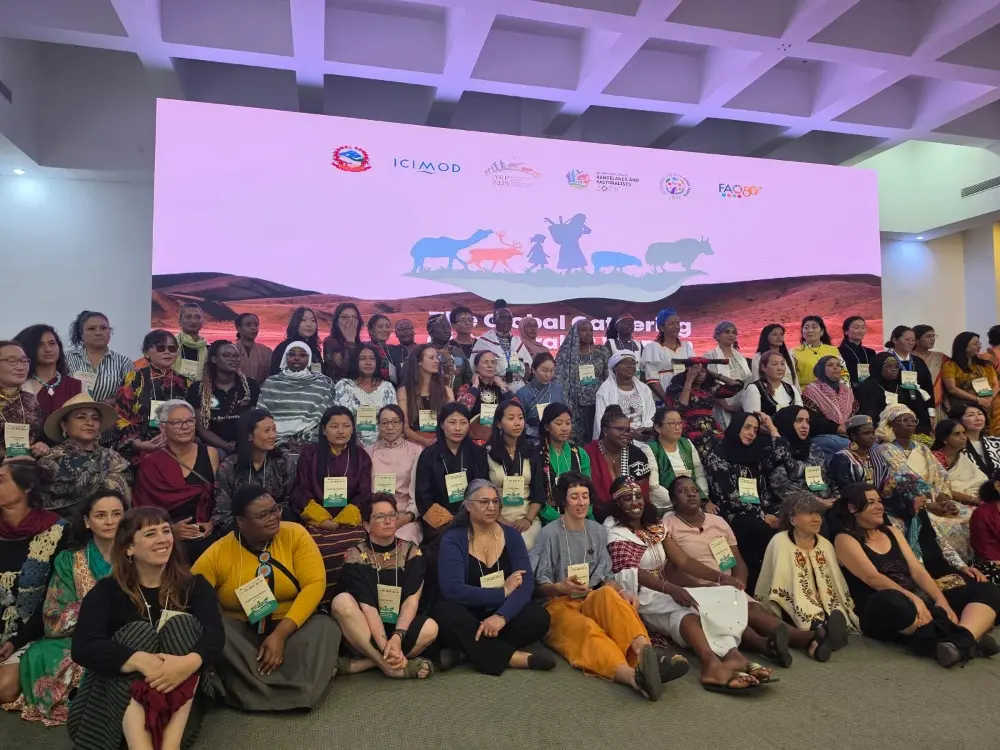
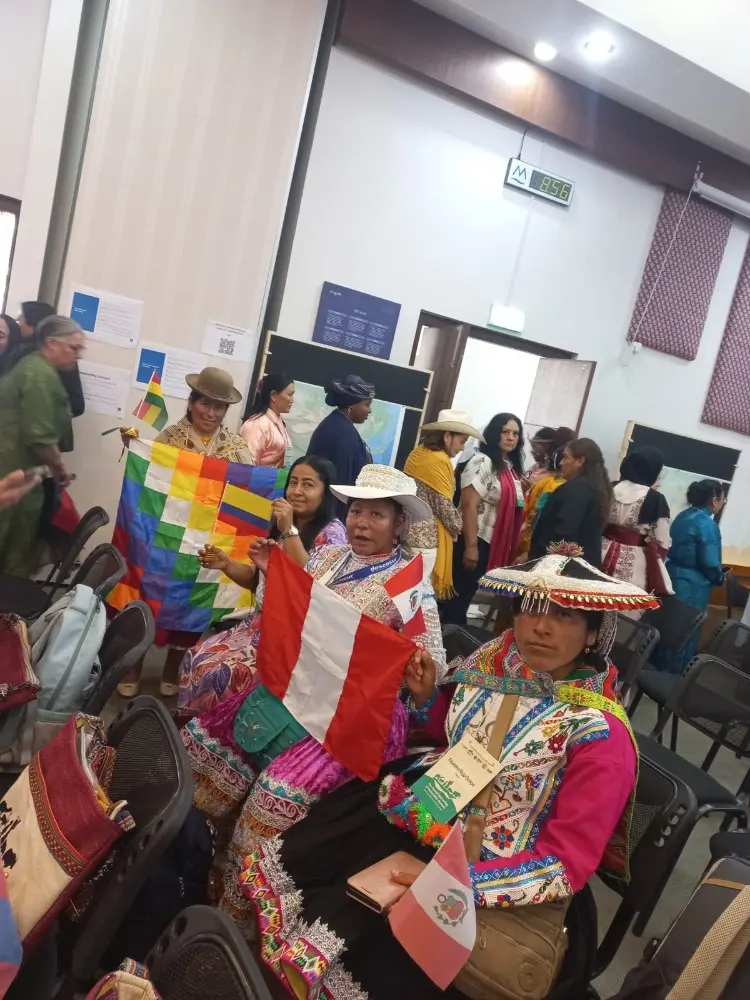
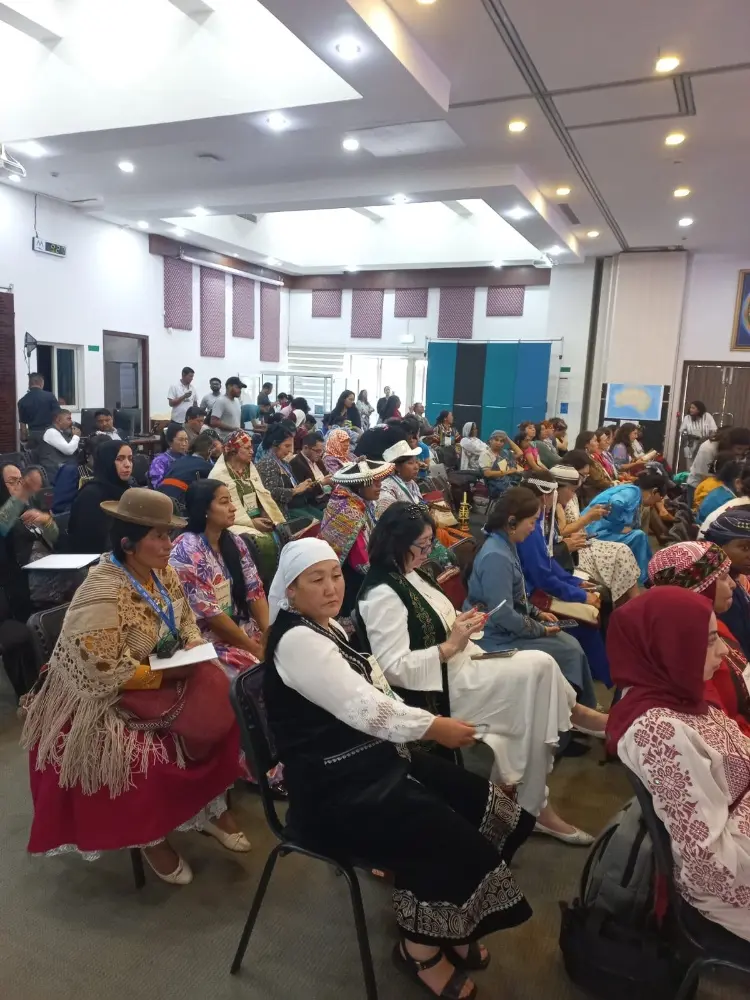
The MERA/2010 Declaration, adopted at the Global Gathering of Pastoralist Women, marked the first global call to recognize pastoralist women as fundamental actors in territorial governance, the sustainable management of pastoral systems, biodiversity conservation, and decision-making on natural resources. One of the gathering’s main outcomes was the development of a new declaration that promotes stronger leadership among pastoralist women, their meaningful participation in decision-making processes, and the recognition of their traditional knowledge as essential to strengthening the resilience of pastoralist communities in the face of environmental and social challenges.
AGROSAVIA invites stakeholders to participate in the public consultation
The draft Global Declaration of Pastoralist Women remains open to comments and contributions from producer organizations, Indigenous Peoples, rural women’s associations, academia, research institutions, development cooperation agencies, public entities, and other interested stakeholders. The Declaration also represents a valuable contribution to the international discussions that will take place during the 17th Conference of the Parties (COP17) to the United Nations Convention to Combat Desertification (UNCCD), to be held in Mongolia. Its principles bring a gender perspective to global discussions on land restoration, the resilience of pastoralist communities, climate change adaptation, and the sustainable management of rangeland ecosystems, while reinforcing recognition of women as leading actors in conserving these territories and developing solutions to address land degradation.
AGROSAVIA encourages Colombian institutions and organizations engaged in rural development, livestock production, territorial sustainability, and the strengthening of rural women’s leadership to participate in this public consultation. Their contributions will help consolidate a document that reflects the diversity of experiences and knowledge of pastoralist women worldwide, supports the implementation of the MERA Declaration, and amplifies a collective voice in international forums, including COP17 of the UNCCD, reaffirming the role of pastoralist women in building sustainable, resilient, and inclusive food systems.
Access the consultation form to submit your contributions to the Global Declaration of Pastoralist Women: https://forms.cloud.microsoft/r/N8jzJkuhFY
- More information here:
- Griselda Gómez Gámez
- Communications, Identity and Corporate Relations Professional
- Center for Research and Technology Transfer Motilonia
- Communications, Identity and Corporate Relations Advisory Office
- gmgomez@agrosavia.co
- AGROSAVIA