

- Over three days, representatives from Indigenous communities, Afro-descendant community councils, territorial organizations, and national institutions gathered in Tumaco to share experiences that are contributing to forest restoration, biodiversity conservation, and the strengthening of environmental governance in Colombia.
Tumaco, Nariño. July 28, 2026. The Knowledge and Experience Exchange on Sustainable Forest Management, Ecological Restoration, and Environmental Governance Event, held in July, brought together initiatives from the departments of Nariño, Valle del Cauca, Cauca, Cesar, and Caquetá. This event demonstrated that ecosystem protection is also built upon community knowledge and the collaborative integration of science and territorial expertise.
The initiative was organized by the Nariño Forest Roundtable, FONDO ACCIÓN, AGROSAVIA, the Universidad Nacional de Colombia, and National Natural Parks of Colombia, which created a space for dialogue to identify joint solutions to the environmental challenges faced by different regions of the country.
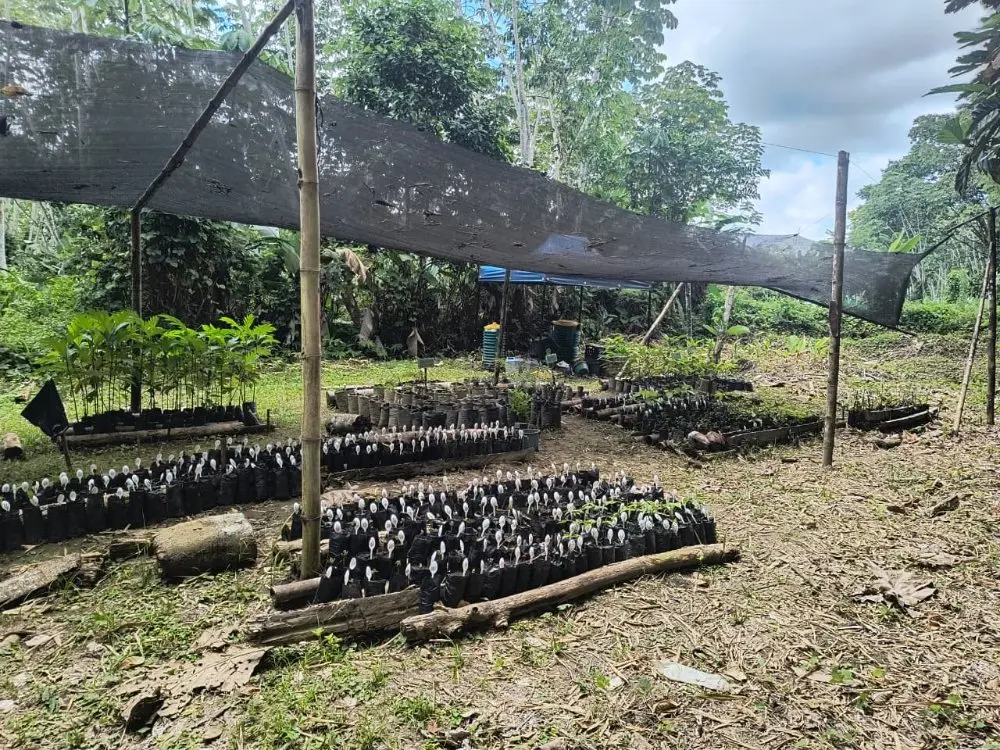
One of the key activities of the event was a field visit to AGROSAVIA’s El Mira Research and Technology Transfer Center, where participants learned how the Territorial Innovation System promotes productive transformation through agroforestry systems tailored to local conditions and the propagation of native species in plant nurseries. These strategies aim to restore ecosystems while creating sustainable livelihood opportunities for local communities.
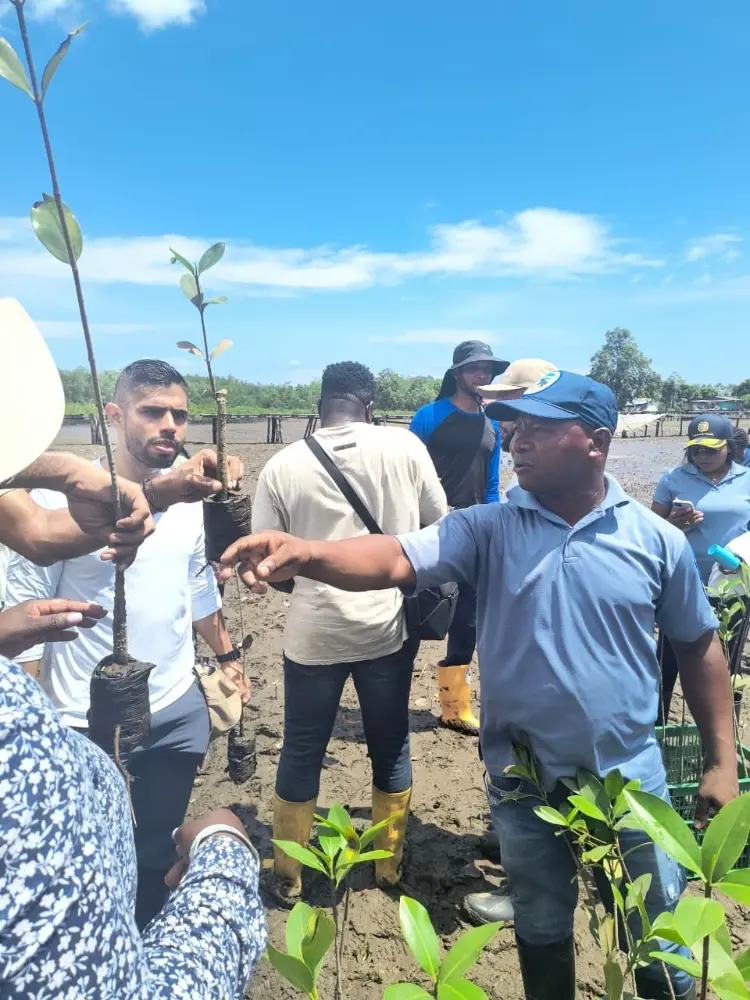
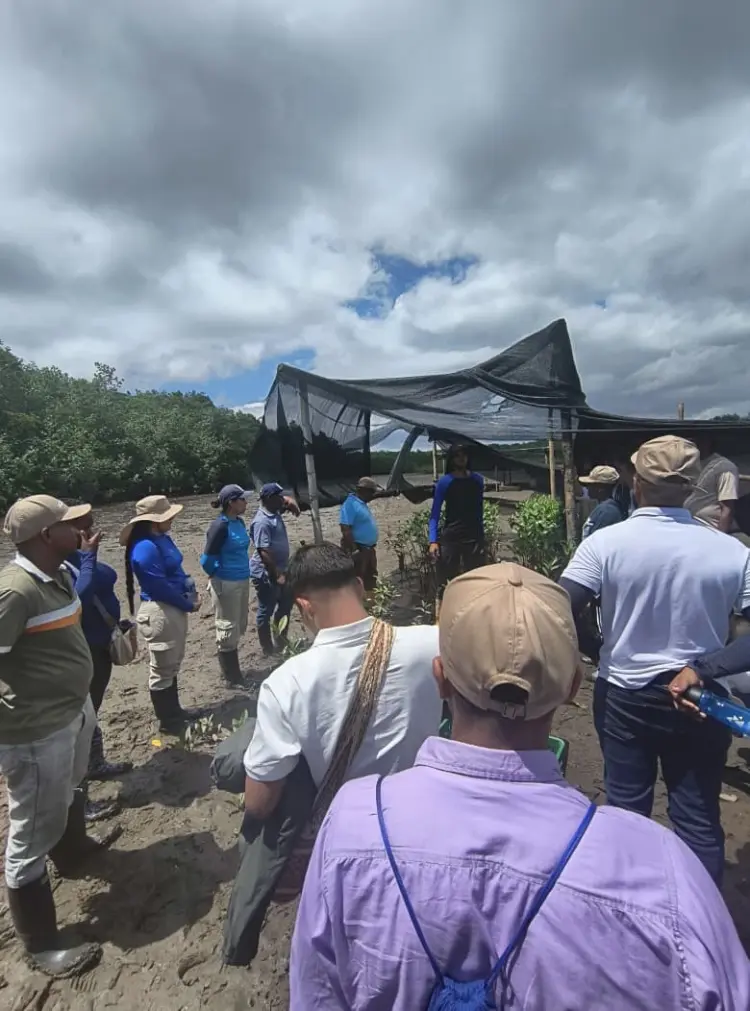
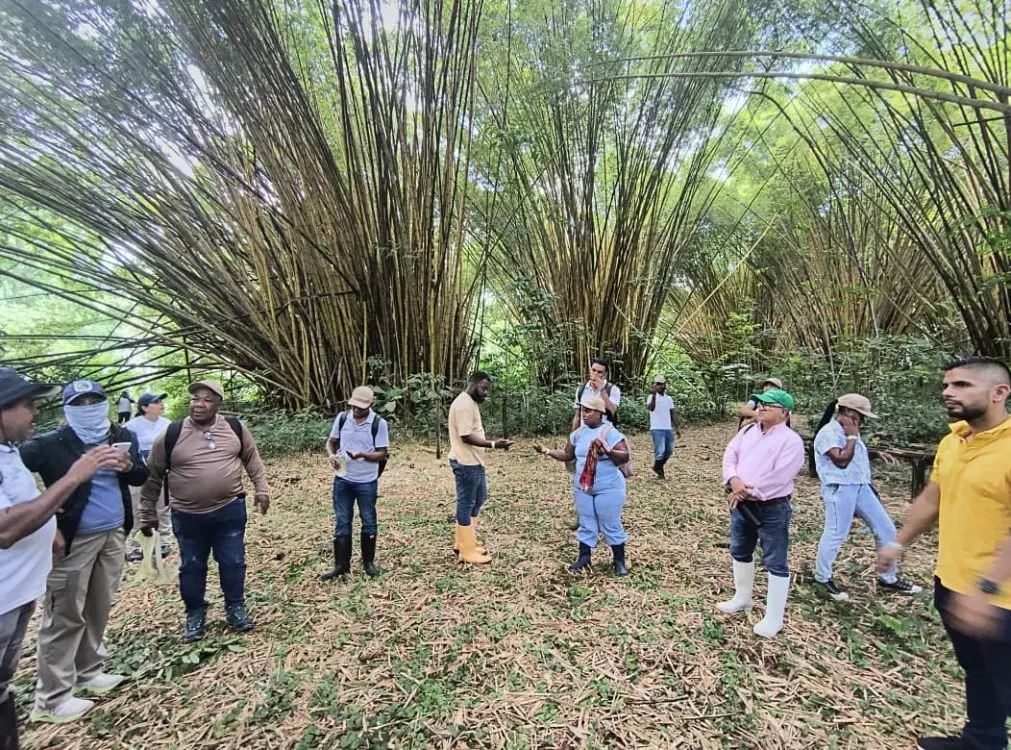
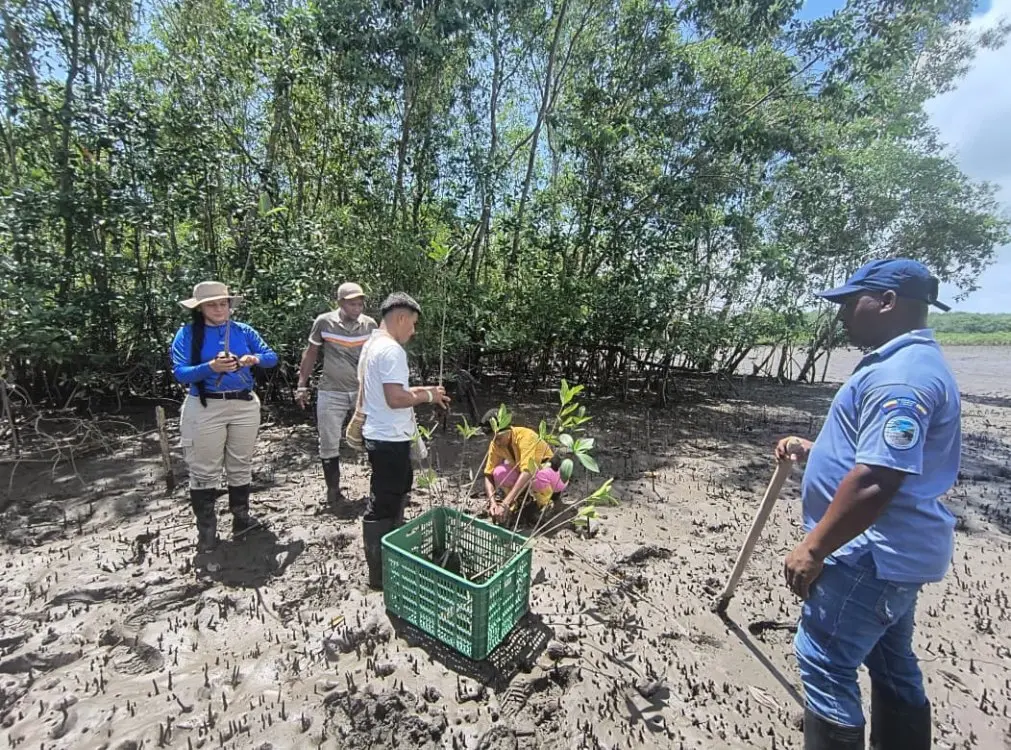
During the visit, participants were also introduced to the results of the Alliance for Forests project, led by FONDO ACCIÓN, as well as biodiversity conservation initiatives developed by Universidad Nacional de Colombia, Tumaco Campus. The agenda concluded with a visit to the Cabo Manglares National Integrated Management District, where attendees observed firsthand the restoration and monitoring efforts being carried out in one of the most important coastal ecosystems of the Colombian Pacific.
The meeting highlighted that ecological restoration depends on more than technical interventions alone. Building agreements among communities, institutions, and organizations, recognizing traditional knowledge, and integrating scientific expertise are all essential factors to achieve sustainable forest management and strengthen the resilience of territories in the face of climate change.
For AGROSAVIA, these exchanges represent an opportunity to bring research closer to local communities, strengthen innovation processes through a participatory approach, and contribute to the development of solutions that address the environmental and productive needs of the regions.
“Ecological restoration is far more effective when scientific knowledge is brought into dialogue with the experience of the communities that have cared for these territories for generations. This gathering demonstrates that innovation also emerges from collective action and that, when institutions and communities work together to develop solutions, it is possible to advance toward landscapes that are more resilient, productive, and sustainable for the country,” said Andrés Felipe Ardila, Project Leader of the Territorial Innovation Systems initiative for the region.
- More information here:
- Ivan David Alba Hidalgo
- Communications, Identity and Corporate Relations Professional
- Headquarters
- Communications, Identity and Corporate Relations Advisory Office
- ialba@agrosavia.co
- AGROSAVIA