


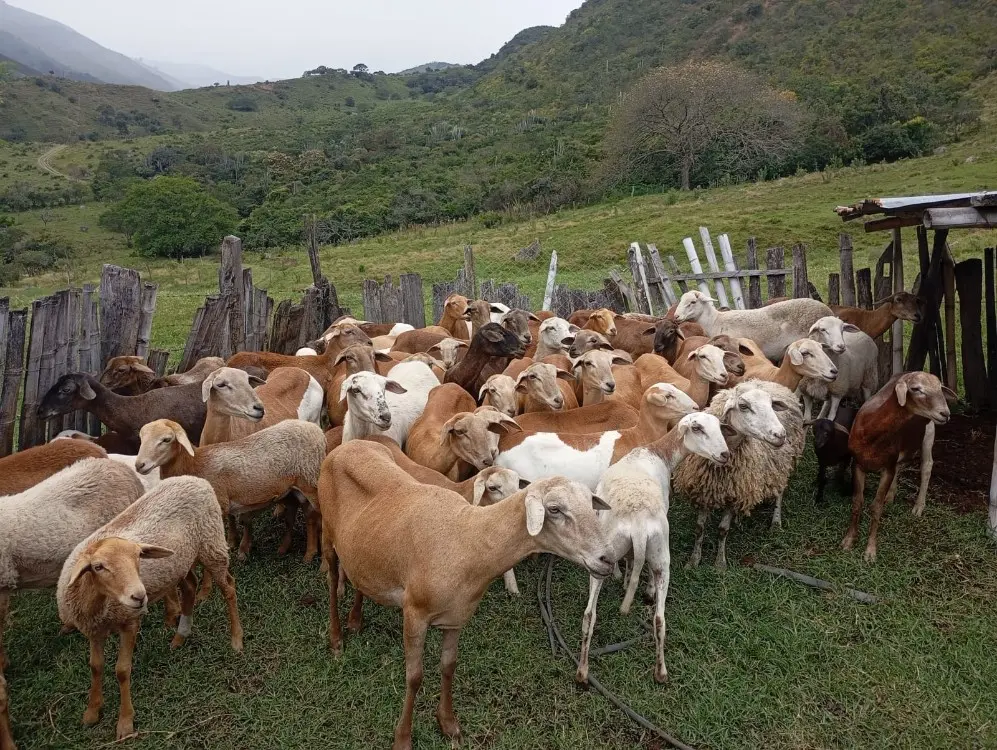
Neiva, Huila. September 16, 2026. More than 100 producers, researchers, students, technicians, and institutional representatives gathered at the Huila Regional Sheep and Goat Production Meeting “Towards Conservation and Sustainable Production,” an event that showed the department’s growing interest in consolidating a modern, sustainable, and competitive value chain for sheep and goat production.
The event, held with the support of the Government of Huila, the Huila Secretariat of Agriculture and Mining, AGROSAVIA, the Ministry of Agriculture and Rural Development, UNAD, SENA, and a representative of OVICAPRIHUILA, Lorena Cardoso Rodríguez, brought together, for the first time in the same setting, key stakeholders from the value chain to discuss genetics, nutrition, animal health, environmental sustainability, and technological innovation.
A central moment was the presentation of progress under the Sheep and Goat Animal Germplasm Bank project, an initiative aimed at strengthening the conservation and sustainable use of the country’s animal genetic resources.
“Huila has extraordinary conditions to establish itself as a leading region in sheep and goat production. We have found committed producers, well-organized associations, and institutions interested in creating sustainable rural development opportunities. The conservation of genetic resources and innovation must go hand in hand with strengthening producers and their organizations,” highlighted Clara Viviana Rúa Bustamante, Researcher at AGROSAVIA.
A Technical Tour to Explore the Potential of the Territory
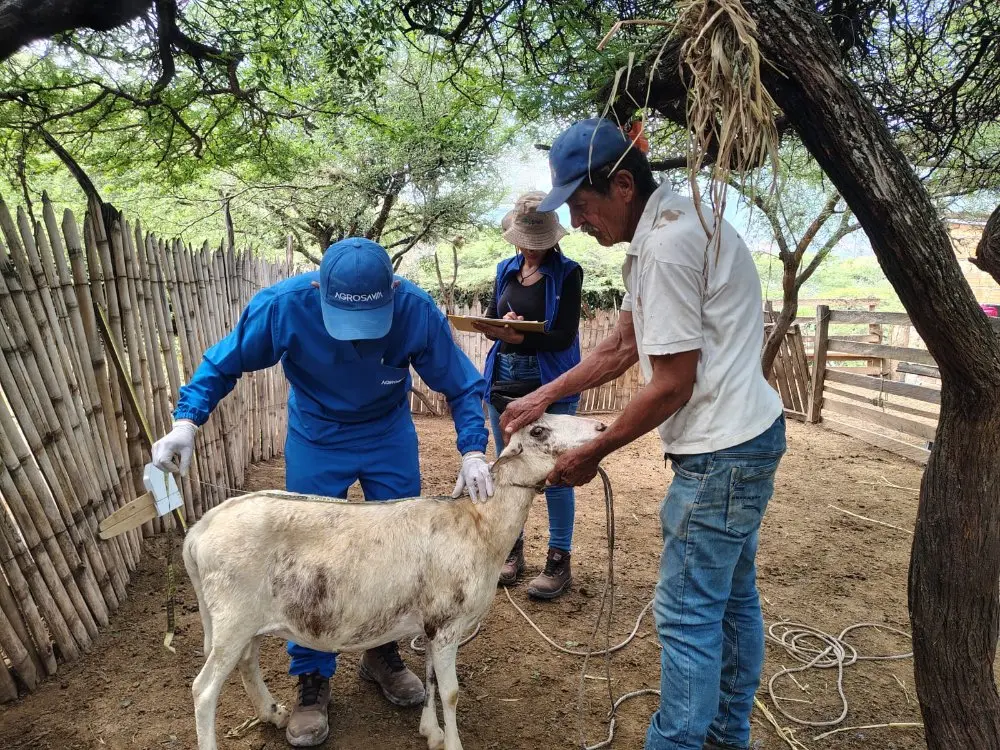
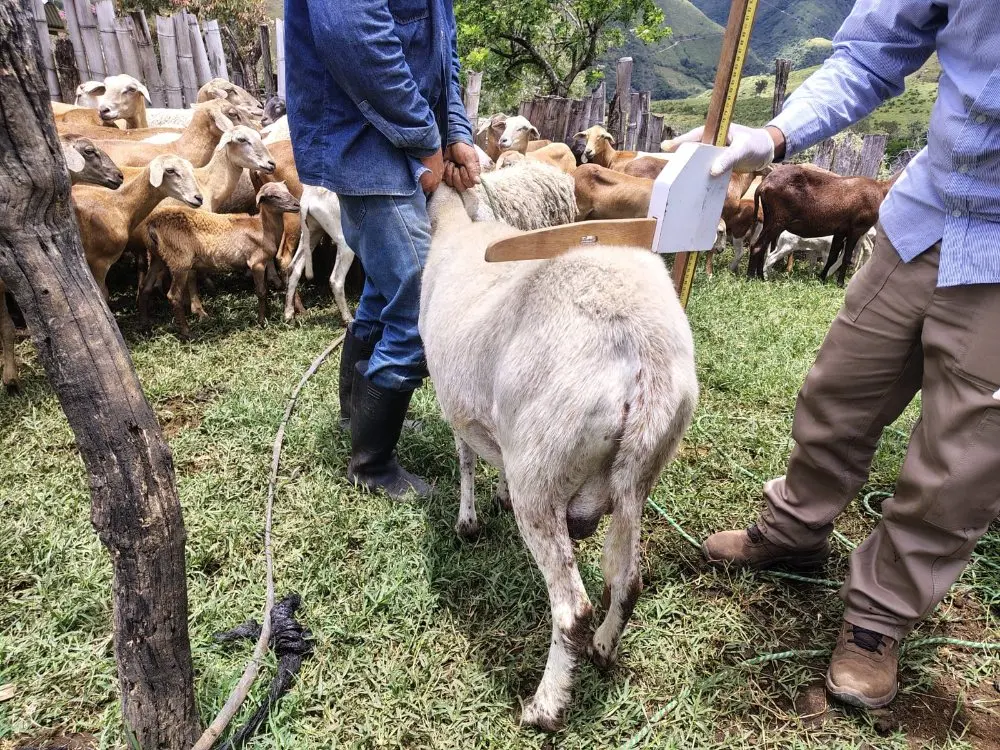
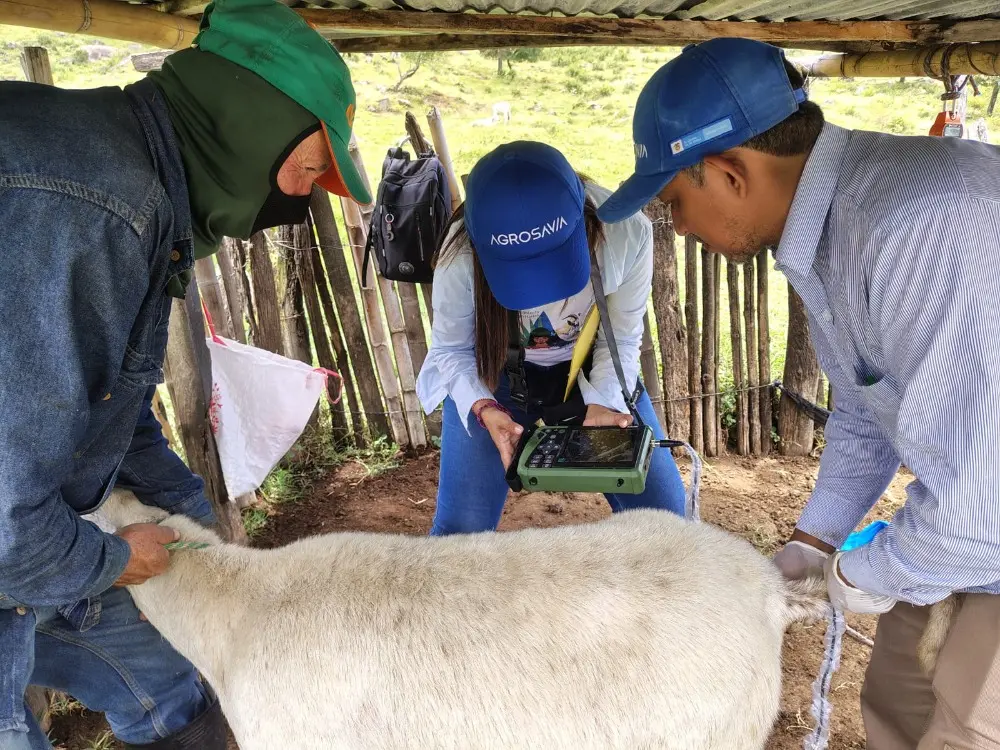
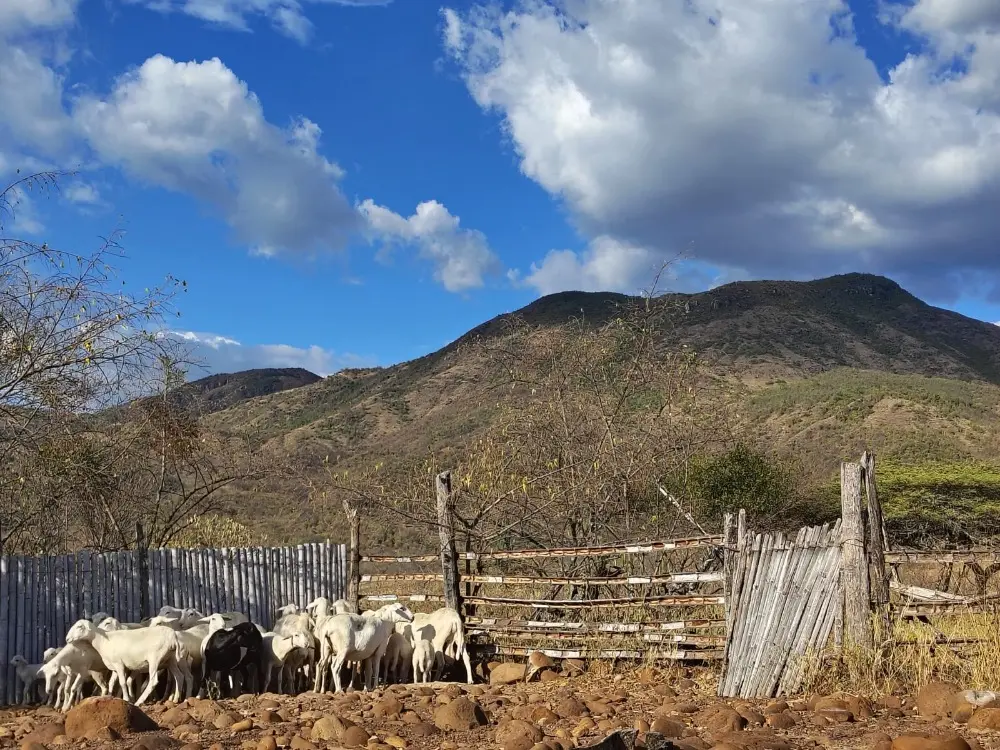
Before the regional meeting, AGROSAVIA researchers conducted a technical and sampling tour in the municipalities of Colombia and Villavieja, visiting the La Sabana, Soto, and Tatamacal farms, where they gained firsthand insight into the experiences of producers investing in sheep production under dry tropical conditions.
The tour enabled them to identify animals of interest for genetic characterization processes, document local management strategies, and strengthen ties between researchers and producers in the region. One of the most significant visits was to the Tatamacal farm, located in a rural area of Villavieja, which required travel along the Cabrera River and access on horseback, reflecting the particular conditions under which many producers carry out their activities.
Gastronomy as a Driver of the Value Chain
The meeting also demonstrated that strengthening the sector involves not only research and production, but also promoting consumption and value addition.
Participants had the opportunity to taste dishes prepared with goat meat produced in the region, including a traditional cabrito sudado served during lunch and a goat meat burger offered during the refreshment break. These culinary experiences generated considerable interest among participants, who highlighted the quality, versatility, and commercial potential of these types of products.
Gastronomy thus became a tool for highlighting the market opportunities that small ruminants represent for rural families in the department.
Institutional Commitment to Building a Stronger Value Chain
During the opening session and the dialogue spaces held throughout the day, the Government of Huila reiterated its commitment to strengthening the sheep and goat value chain as a growing productive alternative of importance to the department’s rural economy.
“From the Government of Huila, we recognize the potential of this sector to generate employment, strengthen food security, and provide new opportunities for rural families. Our commitment is to continue supporting associative processes and institutional coordination efforts that will help consolidate this productive activity in Huila,” stated Xiomara, representative of the Huila Secretariat of Agriculture and Mining.
For her part, Lorena Cardoso Rodríguez, representative of OVICAPRIHUILA, emphasized the importance of strengthening joint efforts among producers, associations, academia, and public institutions to accelerate the sector’s growth.
“Today we see a more organized sector, with producers interested in innovating and working together. The next step is to consolidate permanent coordination spaces that will make it possible to develop a development agenda for sheep and goat production in the department.”
Towards the Establishment of the Regional Sheep and Goat Value Chain Committee
One of the meeting’s main outcomes was the commitment expressed by the Government of Huila to move forward with the establishment of the Regional Sheep and Goat Value Chain Committee, a key body for coordinating efforts among producers, associations, institutions, academia, and the private sector.
Participants agreed this is a strategic step toward strengthening sector governance, managing projects, promoting innovation processes, and increasing producer representation in regional and national forums.
To advance this objective, the National Sheep and Goat Value Chain is expected to provide support, facilitating the organizational and coordination process needed to establish a roadmap for the sustainable development of the sector in the department of Huila.
Through initiatives like this, Huila reaffirms its commitment to becoming a national benchmark for sustainable sheep and goat production, bringing together research, innovation, producer organization, and rural development to benefit producer communities.
- More information here:
- Katherine Alexandra Leyva Patiño
- Communications Assistant
- Nataima Research and Technology Transfer Center
- kleyva@agrosavia.co
- AGROSAVIA