


- Homegrown technological solutions that have begun to attract attention beyond national borders.
Bogotá, Capital District. March 16, 2026. What once emerged as targeted responses to local challenges in Colombia has now evolved into a body of knowledge and capabilities that is drawing interest from other countries. In recent years, several of these solutions have begun to gain recognition beyond national borders. Some of these experiences are compiled in Colombia’s International Cooperation Offer Portfolio, a tool that organizes and showcases best practices promoted by public entities, research centers, civil society organizations, and territorial governments.
According to the Presidential Agency for International Cooperation of Colombia (APC-Colombia), having cooperation offer portfolios is key to highlighting those best practices in which the country has accumulated the greatest experience and international recognition. These initiatives have not only demonstrated verifiable results in the field but also hold the potential to be shared and adapted in other contexts through technical exchange and the joint development of solutions.
Within Colombia’s current International Cooperation Offer Portfolio, four initiatives developed by Corporación colombiana de investigación agropecuaria (AGROSAVIA) are receiving particular attention: AlimenTro, Dr. Agro, OCTIAGRO, and the SIEMBRA Platform. These experiences, conceived through applied research in the agricultural sector, are part of Colombia’s cooperation offer, and some have already been shared with several Caribbean countries interested in strengthening research, decision-making, and agricultural and livestock production systems. Their impact at the territorial level and their adaptability to different productive contexts have positioned them as technical exchange benchmarks that Colombia promotes with other nations.
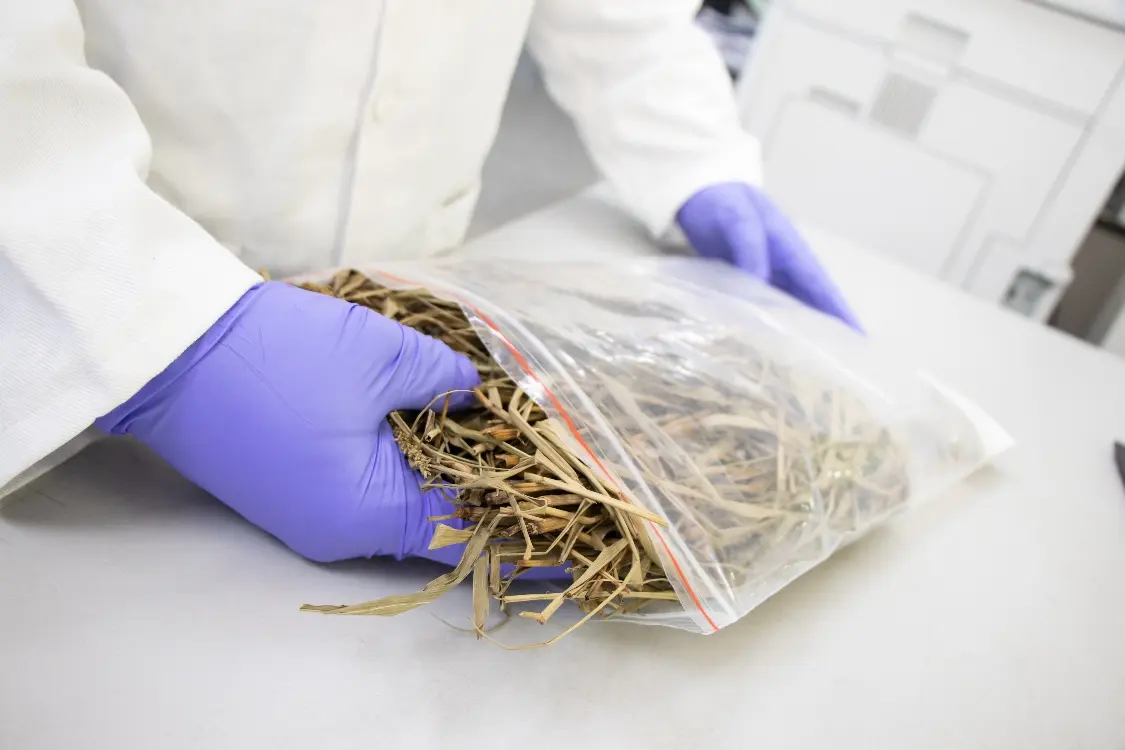
AlimenTro stands out as one of the most notable experiences within the portfolio. It is a platform that integrates information on the nutritional composition of forages used in livestock feeding in Colombia. By using this tool, it is possible to access technical data on different types of grasses and plants according to the region of the country, enabling producers, researchers, and technical advisors to design more precise diets for animals and thereby improve the efficiency of livestock systems.
Another innovation developed by Corporación colombiana de investigación agropecuaria (AGROSAVIA) that is now part of the Colombian portfolio is Dr. Agro, a mobile application designed to support farmers and technical advisors in the timely identification of pests, diseases, and nutritional imbalances in crops. The tool compiles scientific knowledge generated by researchers in the country and translates it into practical content that can be easily accessed from a mobile phone.
The application allows users to analyze symptoms present in plants based on images. “Photographs from different stages of the crop are uploaded, and the visual information helps identify what is occurring,” explains the expert. Once the issue is identified, the system guides the user with management recommendations, including alternatives for pest control or guidance when the problem is related to plant nutrition.
Meanwhile, the OCTIAGRO observatory is being consolidated as an analytical network that coordinates information and knowledge management around agricultural innovation to guide sector development. From this perspective, it generates differentiated inputs that enhance the understanding of the agricultural system and strategically support decision-making processes, facilitating the integration of diverse analytical capabilities and promoting the collective construction of knowledge for innovation.
The last development included in the portfolio is the SIEMBRA platform, which is structured as a knowledge management strategy aimed at facilitating decision-making in the agricultural sector through the use of historical and reference information associated with science, technology, and innovation. Its development integrates processes of content collection, standardization, and curation, organized into accessible and downloadable databases. Through the cross-referencing of information, it enables the generation of indicators and the use of data visualization tools. Additionally, it promotes the development of technological solutions that provide recommendations for different crop stages, strengthened by transmedia resources designed to encourage their adoption and effective use.
Countries across the hemisphere now have access to versions of these tools built with information generated within their own production systems. In this way, the platforms move beyond relying exclusively on data from Colombia and begin to incorporate records on crops, forages, and production conditions specific to each territory. In this process, the greatest value of these initiatives lies not only in the technology that supports them but also in the methodological approach they propose, i.e., a transferable and adaptable model that enables producers, technicians, and institutions to rely on trustworthy inputs to guide field-level decision-making and strengthen their agricultural systems.
“Being part of APC Colombia’s International Cooperation Portfolio highlights the Corporation’s best practices and positions it as a leading entity in South–South Cooperation, capable of transferring its knowledge to its regional counterparts while contributing to the implementation of the 2030 Agenda and its 17 Sustainable Development Goals,” concluded Shirley Salom Vega, Planning and Institutional Cooperation Professional in the Resources and Partnerships Department of AGROSAVIA.
- More information here:
- Ivan David Alba Hidalgo
- Communications, Identity and Corporate Relations Professional
- Headquarters
- Communications, Identity and Corporate Relations Advisory Office
- ialba@agrosavia.co
- AGROSAVIA