


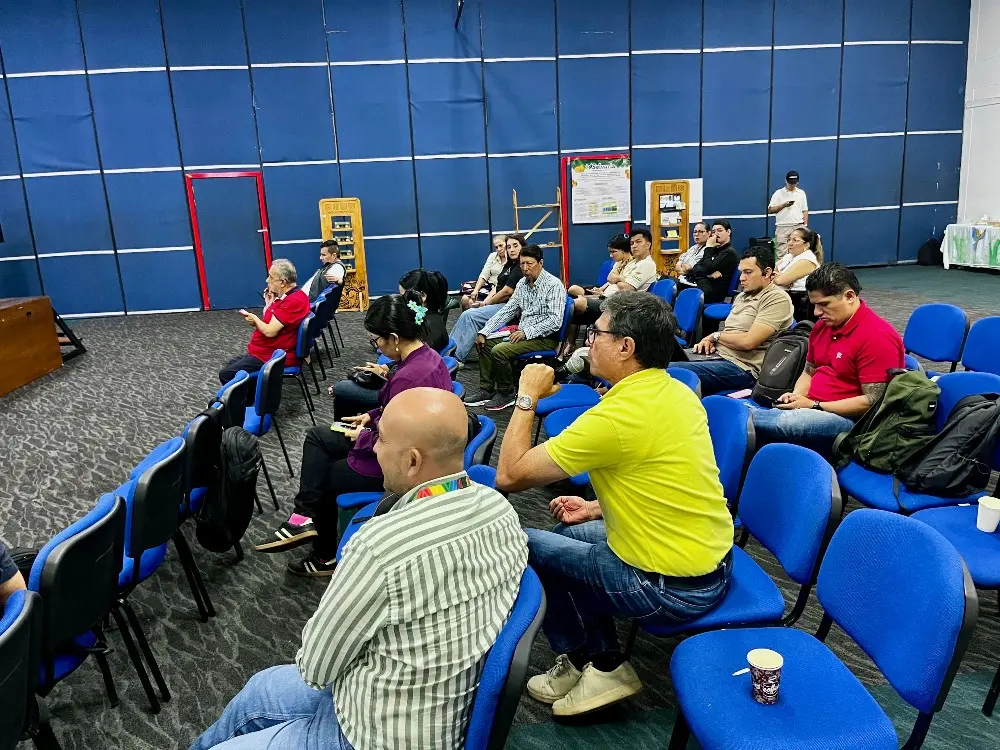
- A historic event to weave Caquetá's bioeconomy with a forward-looking vision.
Florencia, Caquetá. August 28, 2026. Florencia, the "Golden Gate of the Colombian Amazon," became the epicenter of dialogue and the co-construction of sustainable development in the Amazon with the "Linkata Florencia Gathering: Caquetá, a Living Territory and Amazonian Bioeconomy." This space brought together a diverse and representative group of territorial stakeholders: from extension agents, technical advisors, and rural promoters to producers, academics, local entrepreneurs, and sector representatives, all united by a common goal.
The event was led by Corporación colombiana de investigación agropecuaria – AGROSAVIA, through its Research and Technology Transfer team at the Florencia–Costayaco Headquarters, with the support of the Ministry of Agriculture, within the framework of the project "Consolidation of an Agricultural Node for the Bioeconomy in Caquetá," and within the Regional Commission for Competitiveness and Innovation. Its central purpose was to strengthen participants' capacities through participatory learning, the exchange of experiences, and the joint development of agricultural extension pathways that integrate the Amazonian territorial bioeconomy approach.
With objectives that guided the gathering, AGROSAVIA made it possible to understand the following aspects:
- Understanding the approach: Disseminate and deepen the understanding of the concept of Amazonian territorial bioeconomy and its practical application in agricultural extension.
- Recognizing local knowledge: Highlight the experiences, lessons learned, and challenges faced by extension agents in providing technical support to rural producers in the region.
- Strengthening partnerships: Identify opportunities to build a stronger collaboration network among the scientific community (AGROSAVIA and other organizations), the territory, producers, and the institutions that comprise the National Agricultural Innovation System (SNIA, for its Spanish acronym).
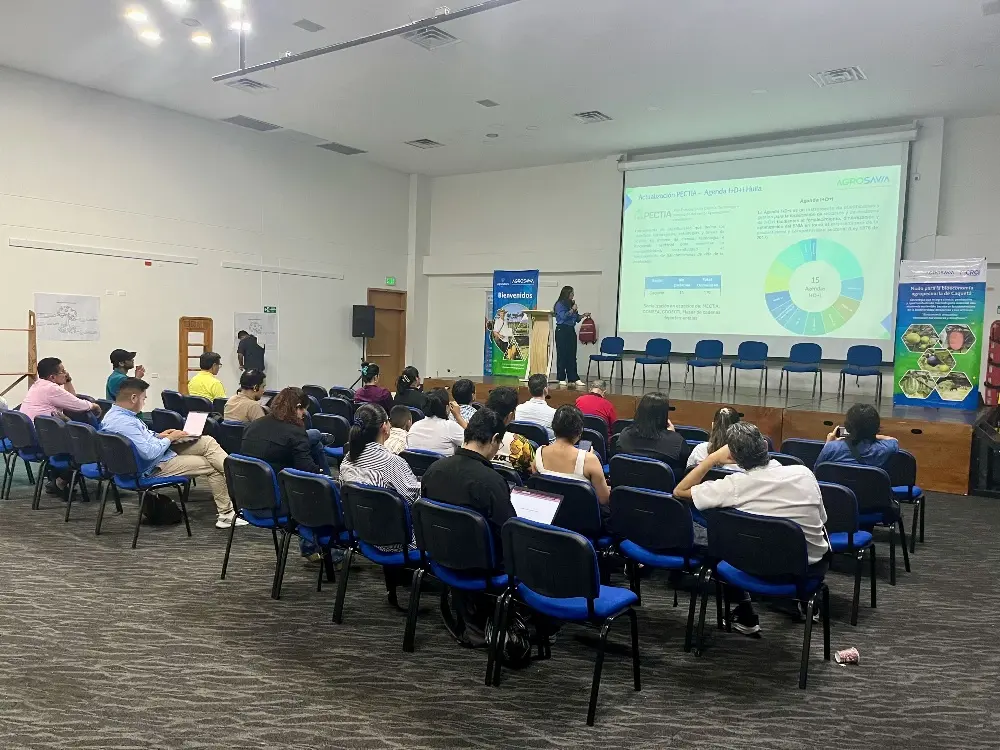
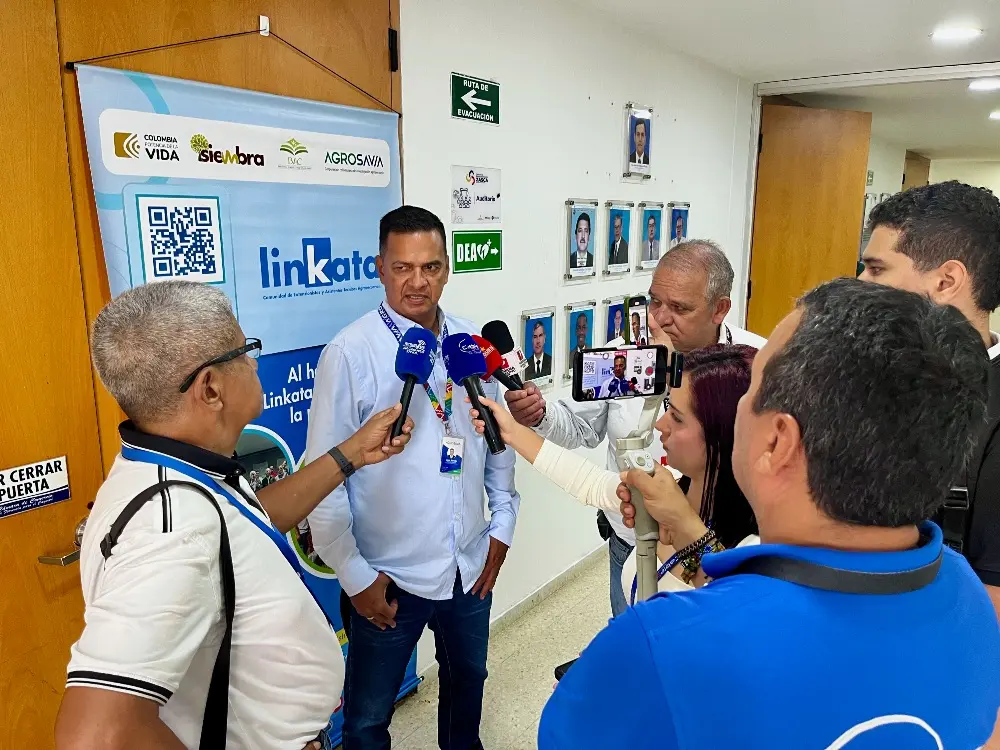
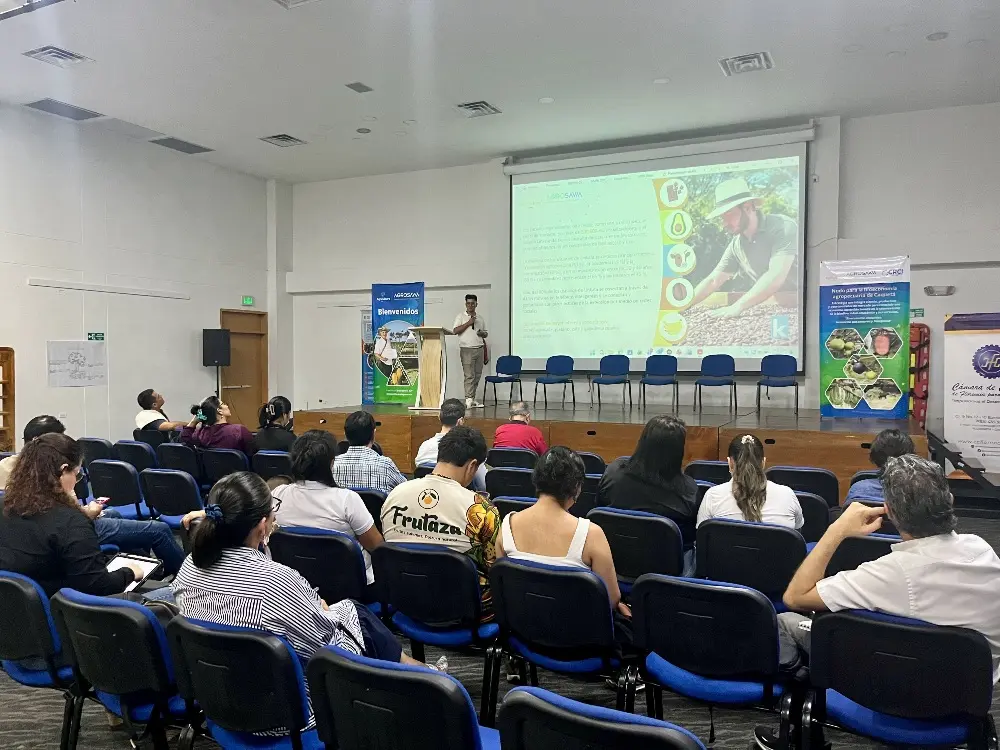
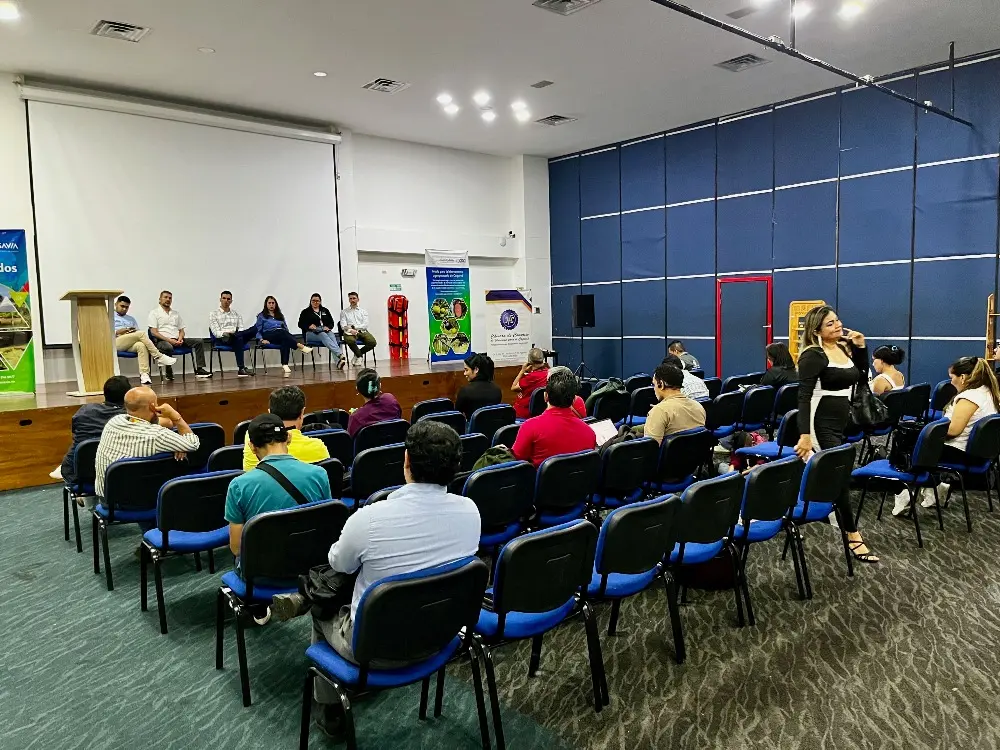
Institutional synergy was key to the gathering's success. The partnership with Universidad de la Amazonia, AGROSOLIDARIA, TEFOS (Sustainable Forest Territories), and GIZ (German Agency for International Cooperation) enabled an enriching, multifaceted dialogue. Together, they addressed crucial topics such as agroecology, agroforestry, the circular economy, the use of bio-inputs, and sustainable production systems, all pillars of a new vision for the rural sector.
Within the framework of the event, AGROSAVIA presented two strategic digital tools for SNIA. On the one hand, Linkata, a collaborative platform that functions as a learning and networking environment for the continuous training of extension agents and technical professionals. On the other hand, Siembra, a documentary repository that systematizes the country's available R&D&I (Research, Development, and Innovation) portfolio, projects, and agricultural information, promoting stakeholder coordination and the democratization of technical and scientific knowledge across the regions.
As a central component of the event, AGROSAVIA led a participatory discussion designed to collect extension experiences with a bioeconomy approach. The activity, which included the active participation of the partner institutions, consisted of developing a "tree of guiding questions." This collective exercise enabled an in-depth reading of the territory, identifying the roots (foundations), the trunk (structuring pillars), the branches (lines of action), the fruits (expected outcomes), and the risks (challenges) involved in strengthening agricultural extension in Caquetá.
The approach driving this work is the Amazonian Territorial Bioeconomy, conceived not simply as a production strategy, but as a comprehensive development model. This model is based on: i) Sustainable use of biodiversity: Valuing natural wealth as a driver of development. ii) Identity and proximity: Shortening production chains and enhancing the value of forest and local products. iii) Co-innovation: Integrating the ancestral knowledge of communities with the technological advances that AGROSAVIA and its partners make available to them. Aligned with the GIAHS approach (Globally Important Agricultural Heritage Systems), the Node aims to become a replicable model with potential for application in other departments of the Colombian Amazon.
Therefore, the project is founded on a clear principle: "Applied research with shared territorial governance." This means research must be relevant, responding to real-world problems; it must be co-designed with producers through co-creation processes; it must be validated participatorily under local conditions; and, ultimately, it must generate locally embedded capacities that endure within the territory.
Through this gathering, AGROSAVIA reaffirms its commitment to the Colombian Amazon, demonstrating that science, when articulated with the wisdom and knowledge of the territory, is the most powerful driver for building a sustainable and prosperous future for Colombia's rural sector.
- More information here:
- José Dario Ule Rodriguez
- Communications, Identity and Corporate Relations Professional
- Office Florencia
- Communications, Identity and Corporate Relations Advisory Office
- jule@agrosavia.co
- AGROSAVIA