


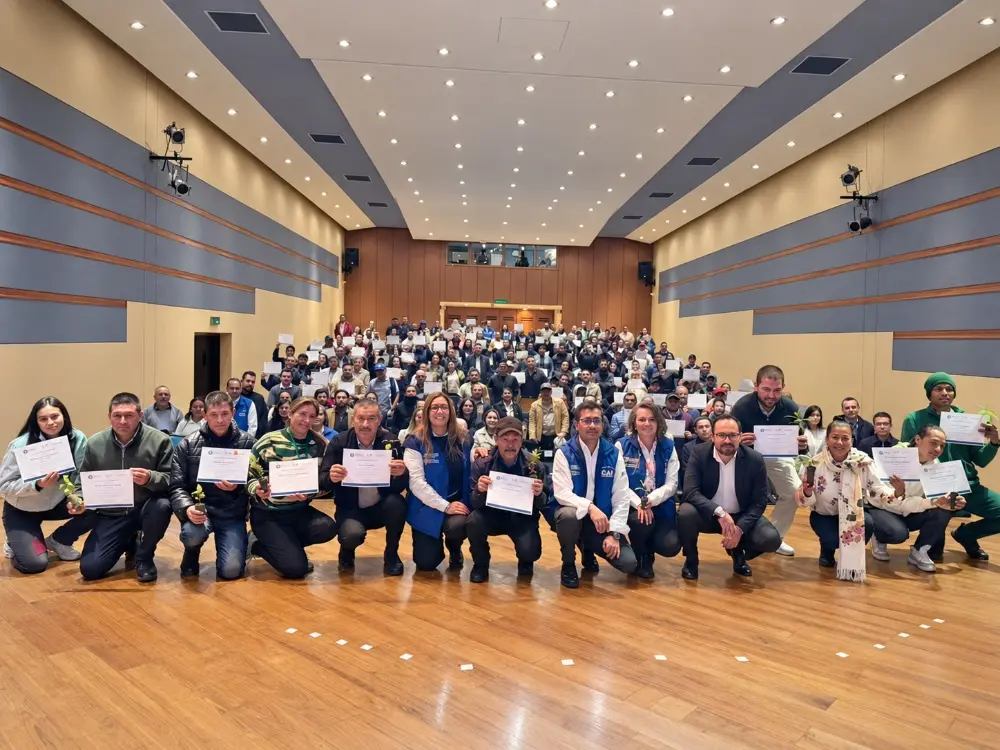
- In 27 workshops held as part of the research, selection, characterization, and supply of plant material from native species project in the CAR territory, 516 people from 88 municipalities in Cundinamarca and Bogotá identified current and potential seed collection areas and prioritized native forest species. The information will guide the production of plant material for reforestation and ecosystem restoration processes in areas of hydrological importance in the department.
Mosquera, Cundinamarca. September 11, 2026. Before planting a tree to restore an ecosystem, it is necessary to know where to obtain its seed, when to collect it, and whether the species is adapted to the site. In Cundinamarca, some of this information remains embedded in the experience of nursery operators, forest rangers, and traditional collectors, who are familiar with the phenological cycles of the species and recognize the importance of the native species found in their territories.
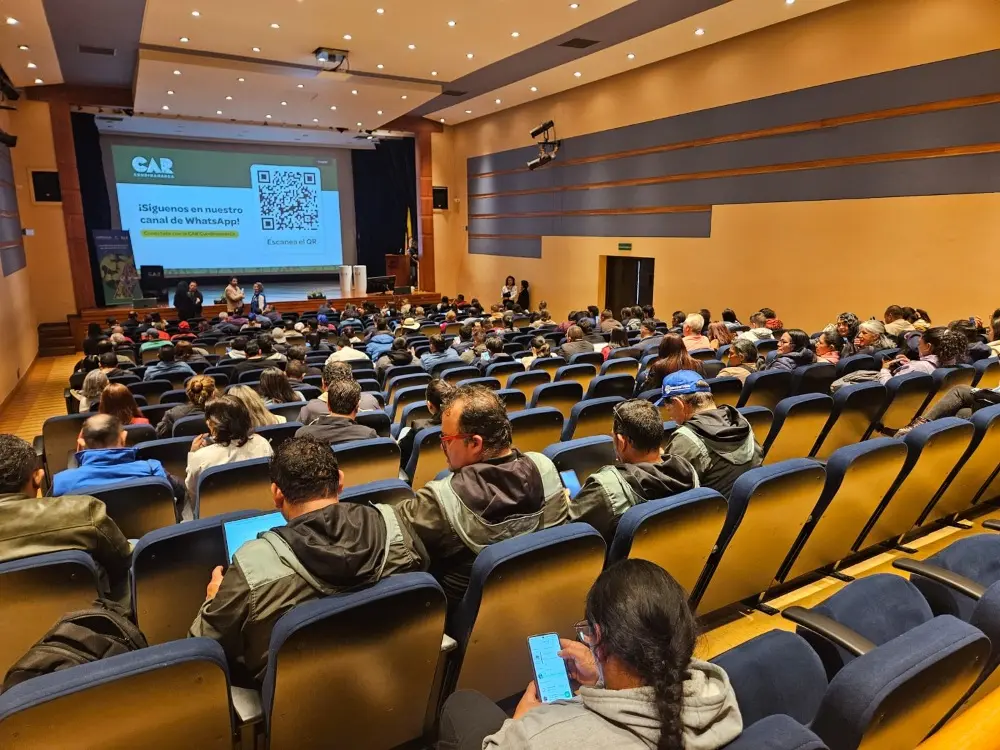
To gather and document this knowledge, 27 workshops were held across 13 regional offices of Corporación Autónoma Regional de Cundinamarca (CAR). During these sessions, 516 people provided information on collection sites and periods, as well as criteria for selecting native forest species. The participants represented 88 municipalities in the department and Bogotá.
This work constitutes one of the first results of the research, selection, characterization, and supply of plant material from native species project in the CAR territory, developed through an inter-administrative agreement between AGROSAVIA, CAR, and Secretaría de Bienestar Verde de Cundinamarca. The initiative, led by the Tibaitatá Research and Technology Transfer Center, addresses a specific problem: the limited availability and diversity of plant material from native forest species for carrying out reforestation and restoration processes in the department.
Vegetation cover loss, soil erosion, and the degradation of ecosystems and water sources increase the need for quality plant material adapted to each area's conditions. Producing such material requires knowing which species perform best in each ecosystem, where seed sources are located, and when to collect their seeds.
The territory helps determine which species to recover
The work was carried out in two phases. During the first, 14 workshops were held. Using maps of each regional office, participants identified national and regional protected areas, civil society reserves, properties designated for conservation, and different forest cover types. This information helped identify current and potential seed collection areas.
Representatives from the municipalities identified the species present in these locations and selected ten of particular interest, subsequently prioritizing three based on their environmental importance, uses passed down through generations, and productive or economic value. The exercise brought together the everyday knowledge of nursery operators, traditional collectors, and forest rangers with geographic and technical information.
The second phase comprised 13 workshops. During these meetings, the characteristics of the prioritized species, their flowering and fruiting cycles, and local practices for collecting reproductive material were documented. Instituto Colombiano Agropecuario (ICA) supported the sessions by providing information on the registration of forest nurseries.
“By recovering the natural memory of the territory and remembering what our elders used each species for, we are recovering our own history and our autonomy to heal the land,” stated Juan Sebastián Díaz, a nursery operator from Sasaima who participated in the project.
For Díaz, the value of the exercise lay in recognizing communities as part of the knowledge-building process: “Thank you for bringing us science, but above all, for respecting and building upon the knowledge of our people.”
From maps to plant material production
The information collected will support four lines of work: the characterization of seed sources located within CAR regional offices; the documentation of seed collection and handling procedures; the production and delivery of native plants for different agroecological zones of Cundinamarca; and the development of research aimed at improving their propagation and production.
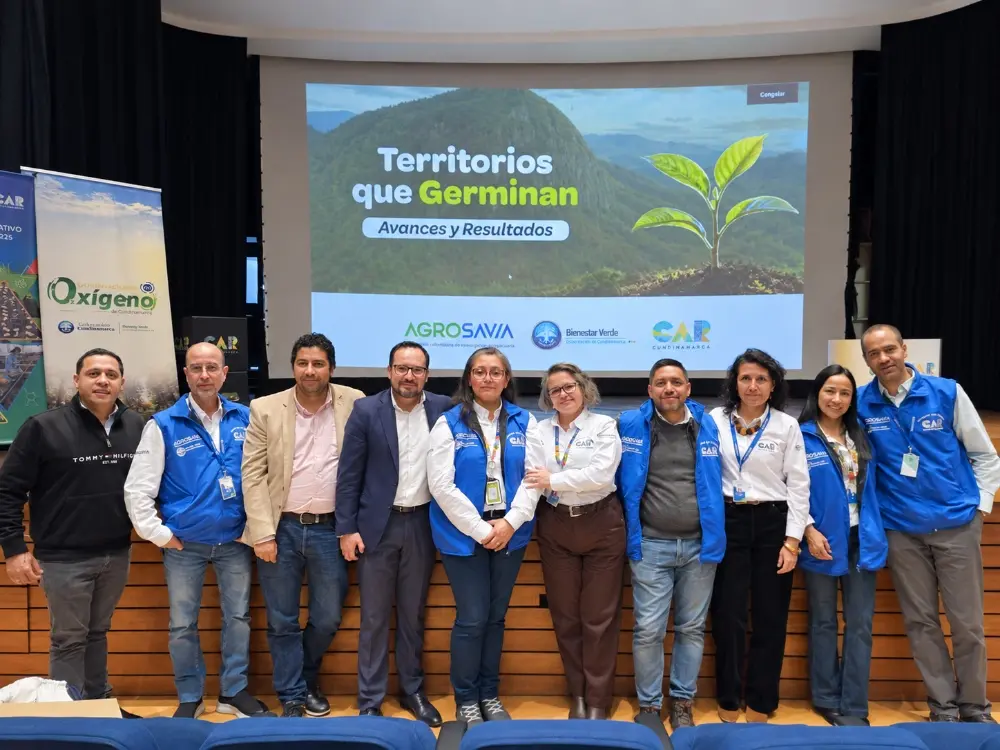
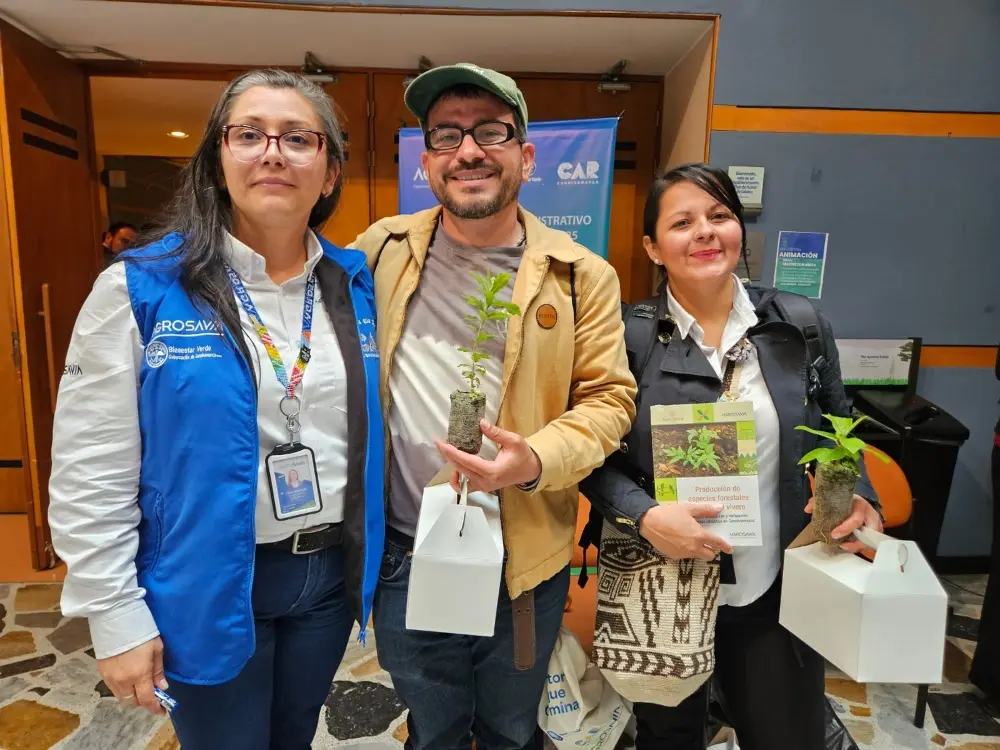
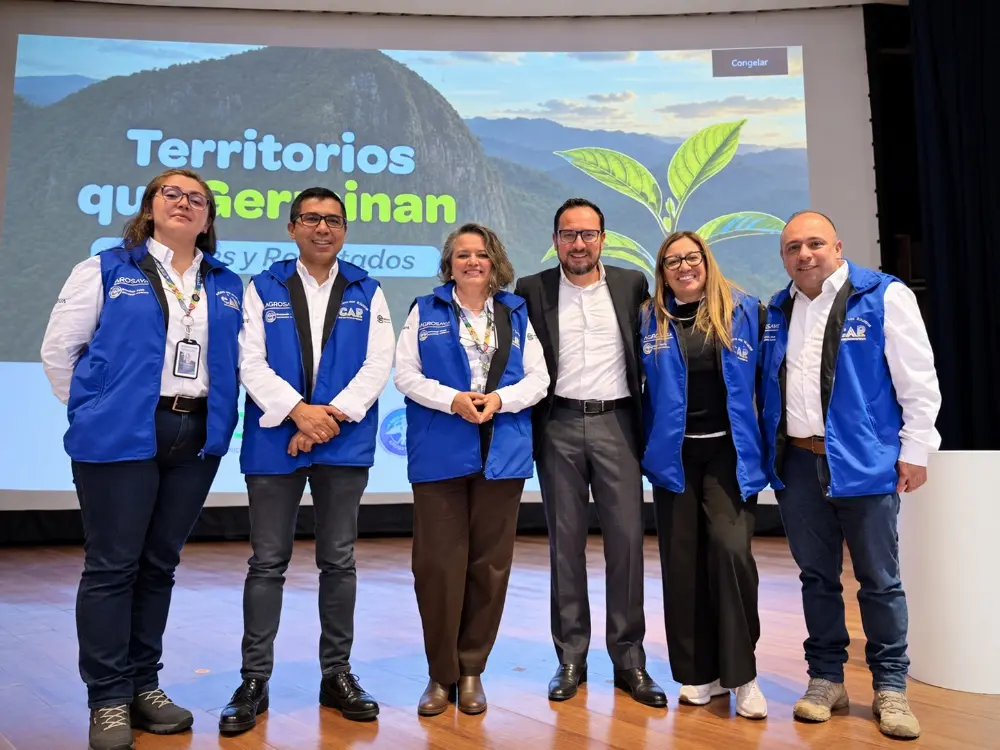
On September 3, representatives of the participating institutions, forest rangers, collectors, and nursery operators met in Bogotá under the theme “Territories that Germinate” to learn about the preliminary results of the workshops. The event also covered regulations on collecting native seeds and registering forest nurseries.
Science and local knowledge to restore the territory
The next step will be to organize and analyze the information collected during the 27 workshops to guide the production of plant material according to the needs of each territory. The joint work of AGROSAVIA, CAR, Secretaría de Bienestar Verde de Cundinamarca, and local communities integrates scientific knowledge with the territory and with the experience and traditions of nursery operators, forest rangers, and seed collectors.
This joint work between institutions and communities paves the way for these native seeds to become new forests that protect the soil, water sources, and life in the territories.
- More information here:
- María Elena Londoño Rubio
- Communications, Identity and Corporate Relations Professional
- Center for Research and Technology Transfer Tibaitatá
- Communications, Identity and Corporate Relations Advisory Office
- melondono@agrosavia.co
- AGROSAVIA