


- This project closes the production cycle by turning what was once considered waste into bio-inputs that restore life to the soil, while taking plantain beyond the fresh market into flours, snacks, purées, and other processed products that multiply the fruit's value.
- The Corporation has focused its efforts on associations of small-scale producers in Tolima, benefiting more than 300 families.
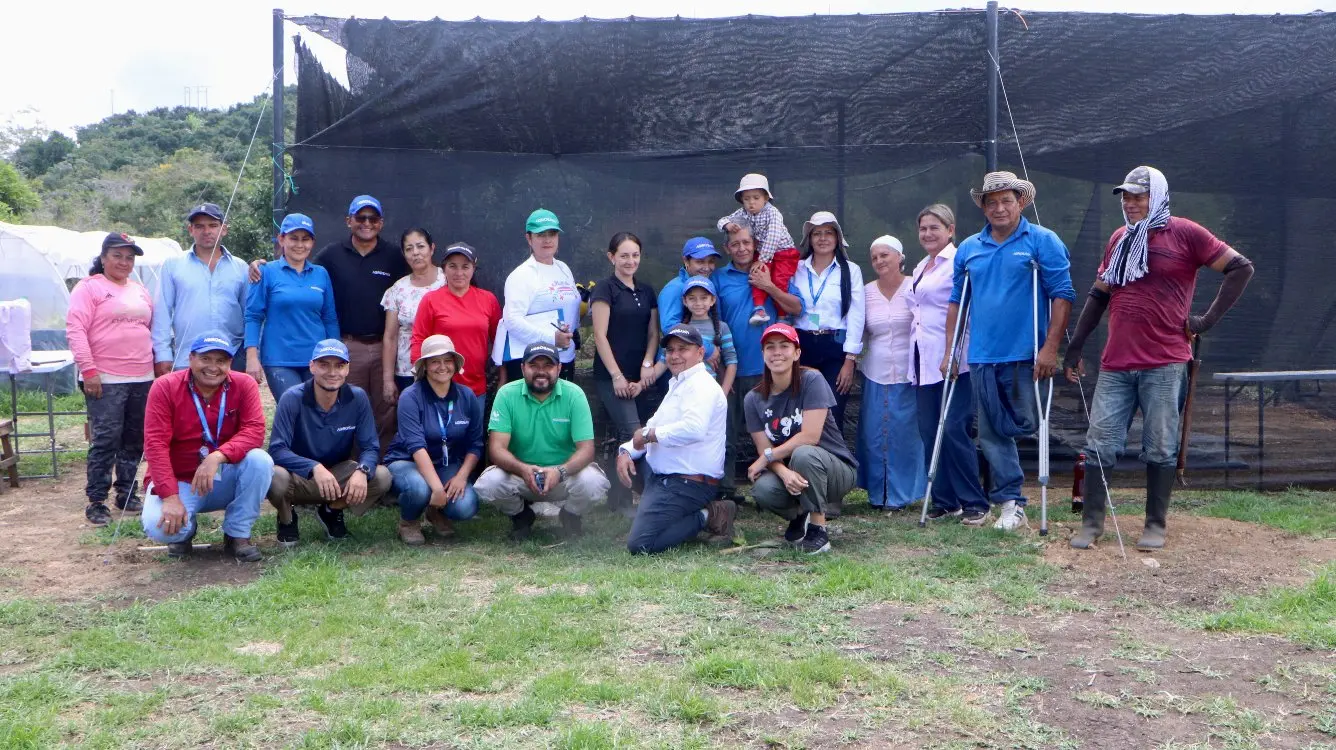
Fresno, Tolima. September 16, 2026. At the imposing heights of the Central Andes, where mist winds its way through coffee plantations and the sun slowly kisses the slopes of Tolima, lies Fresno, a land that breathes agriculture. Here, the land is not merely cultivated; it is dreamed upon: every furrow is a promise, every harvest, a collective heartbeat. In this mountainous landscape, the Association of Women Plantain Producers of Fresno (ASOMUFRES, for its Spanish acronym) has planted a hope that goes beyond the fruit itself: the hope of obtaining plantain planting material that is uniform in shape, vigorous in growth, true to its genetic characteristics, and free from diseases that may threaten it. They are not simply seeking to plant; they are seeking to perpetuate life.
Alongside them, Corporación colombiana de investigación agropecuaria – AGROSAVIA and the Ministry of Agriculture, with financial support from the Government of Tolima, are carrying out their most valuable mission: bringing innovation, technology, and scientific knowledge to the areas where they are most needed. Through the project Strengthening the Hartón and Dominico Hartón Plantain Production System, AGROSAVIA is not only transferring technology, but also building lasting capacities within rural communities.
The objective is clear and transformative: to move away from improvised practices and establish a system for producing quality planting material—physically, genetically, physiologically, and phytosanitarily sound. To achieve this, the team at the Nataima Research Center (C.I. Nataima) has designed a methodological pathway that combines science with farmers’ day-to-day practices and establishes protocols for the rapid multiplication of plantain planting material. But innovation does not stop in the field; the project incorporates a circular economy approach that converts crop residues into bio-inputs and transforms the fruit into semi-processed and processed products, generating new income sources and reducing waste.
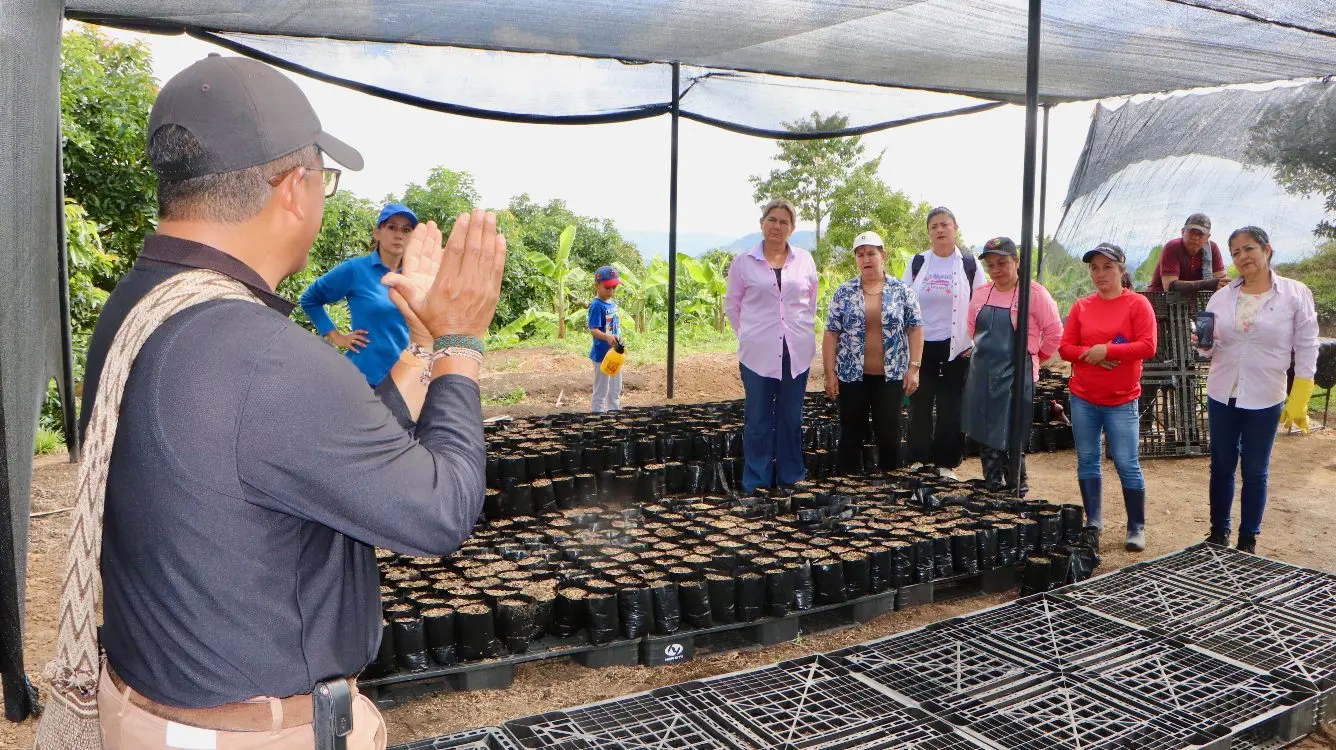
The members of ASOMUFRES (Association of Rural Women / Women Entrepreneurs of Fresno, Tolima) are receiving an innovative, high-quality plantain planting material production system that is transforming the agricultural landscape. This model optimizes yields and profitability through specialized protocols, from mother gardens and intensive multiplication plots to tunnels and nurseries, ensuring large-scale, efficient propagation.
A truly revolutionary element of this initiative is integrating clean alternative energy sources as a fundamental pillar of the production process. The self-sustaining irrigation system is powered by photovoltaic solar energy: solar panels collect the energy required to continuously supply water throughout the entire infrastructure, in an environmentally friendly way and without relying on the conventional electricity grid or fossil fuels.
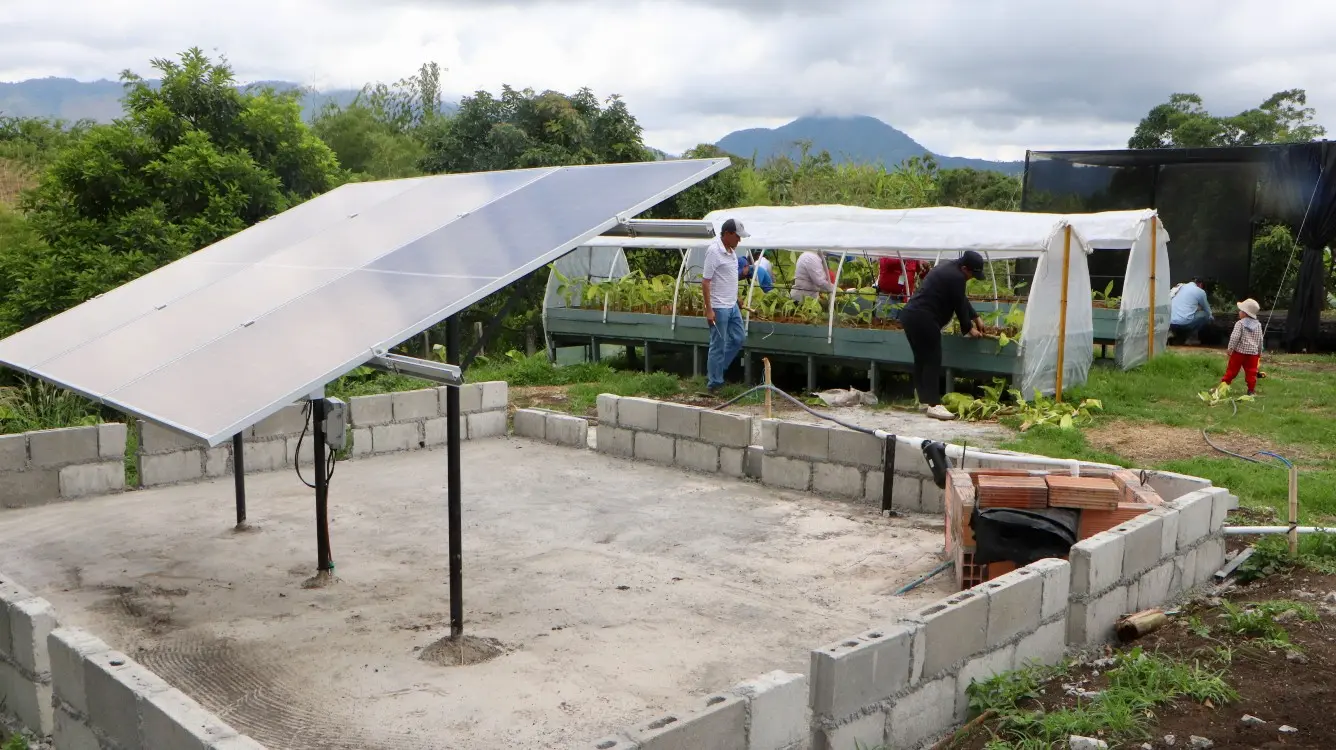
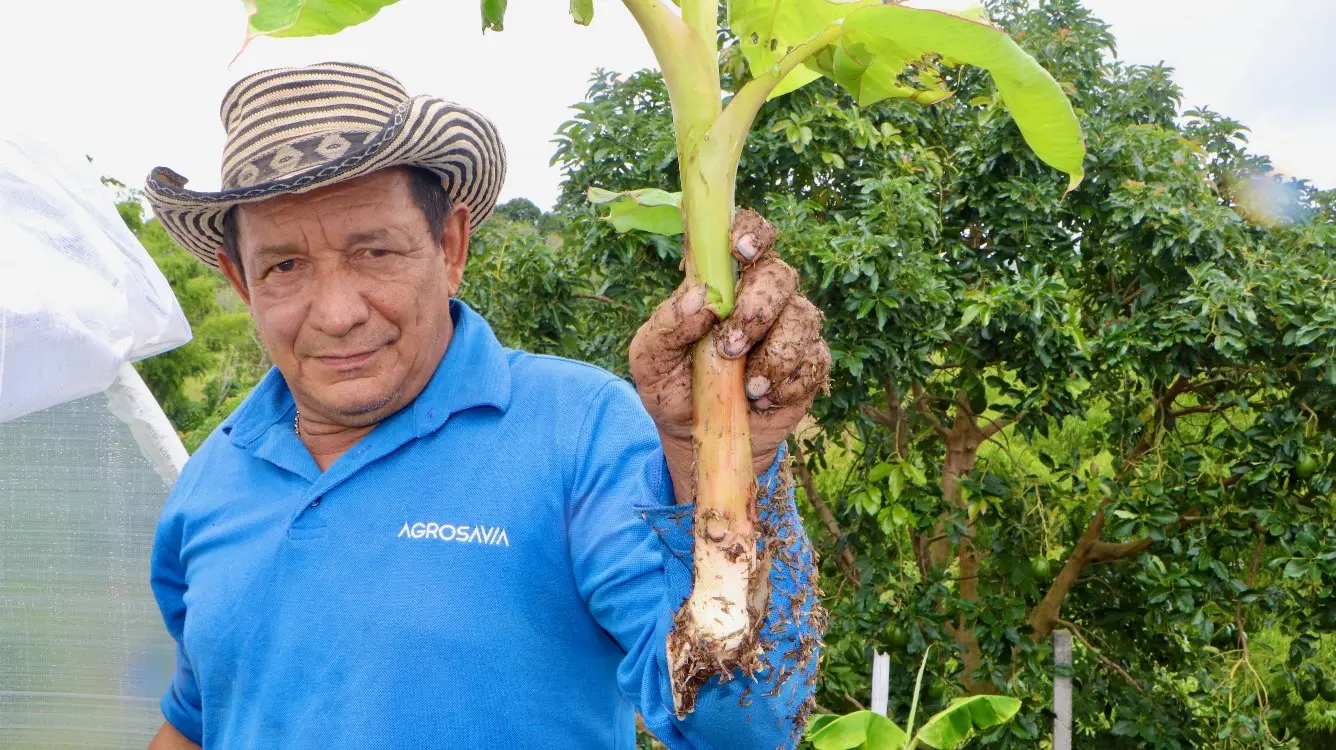
This approach not only reduces the carbon footprint and operating costs, but also makes ASOMUFRES a replicable model of sustainable agriculture, where technological innovation and responsible use of natural resources come together to ensure food security and the economic empowerment of rural women. The production of quality plantain planting material ceases to be merely an agronomic process and becomes an example of applying the energy transition to rural agriculture.
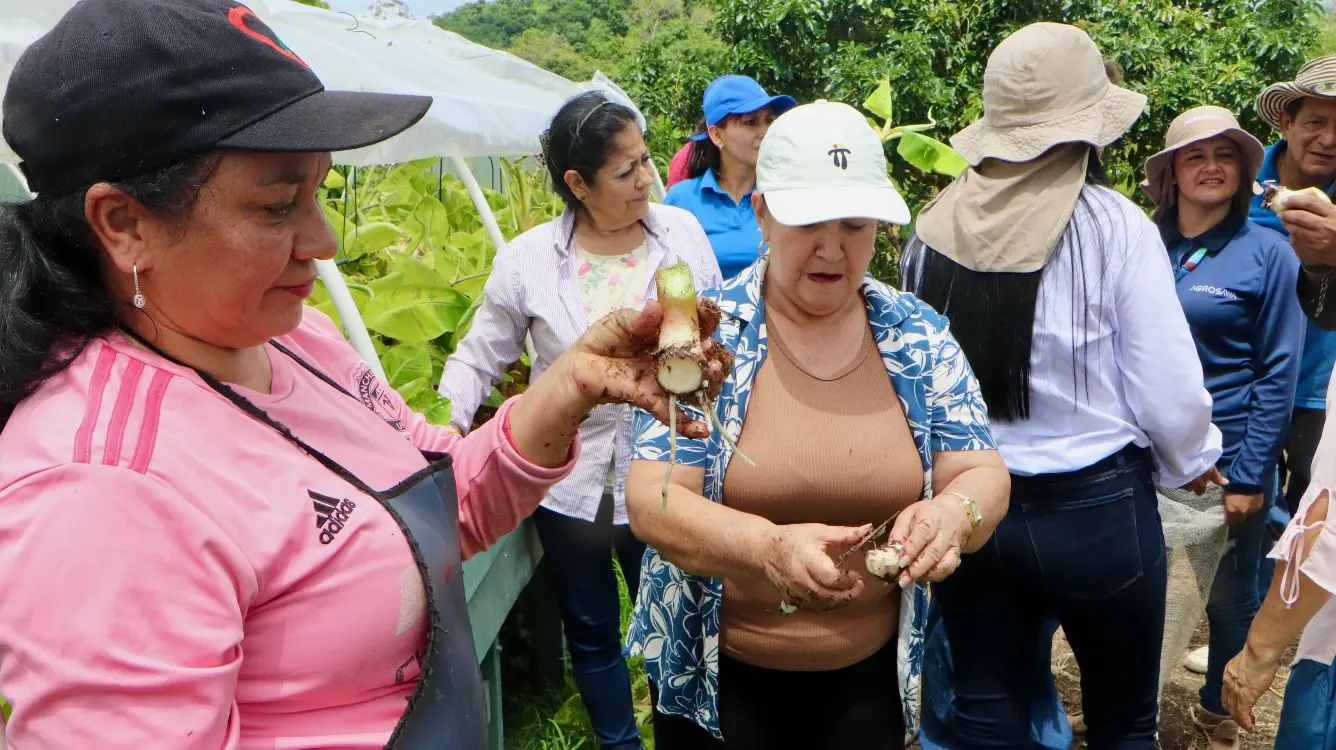
AGROSAVIA’s work goes beyond technical aspects to address the human dimension. Recognizing that plantain is a staple food and a key component of national food security, the organization has focused its efforts on associations of small-scale producers in Tolima, a department whose production has lagged behind other regions due to a lack of structured planting-material programs. Through Farmer Field Schools and personalized technical assistance, knowledge networks are being built to empower farmers, strengthening their organizational and management capacities so they can compete and diversify their income sources.
This project is not simply a workshop or an input distribution; it is a coordinated strategy involving seven associations and directly benefiting approximately 300 families. In three of them, seed production hubs will be established; in two, satellite multiplication strategies will be deployed; and in the remaining two, pilot plants for food and non-food agro-industrial processing will be implemented. AGROSAVIA will provide continuous support to all of them, ensuring that knowledge takes deep root and that the project’s sustainability extends beyond its implementation period.
In this way, AGROSAVIA reaffirms its commitment to the agricultural sector at the national level, demonstrating that agricultural research is not a laboratory luxury, but a powerful tool for closing gaps, dignifying rural work, and building food sovereignty from even the country’s most remote territories.
Thus, amid field trials and knowledge-transfer sessions, a quiet revolution is taking shape: small-scale producers, equipped with knowledge and ongoing support, are transforming their farms into schools for life. AGROSAVIA sows technical knowledge, but harvests dignity. Through this exchange, Hartón and Dominico Hartón plantains cease to be merely fruits and become symbols of a Tolima that grows from the roots, with the certainty that food security is not a luxury but a right built with hands in the soil and the soul of the mountains.
- More information here:
- José Dario Ule Rodriguez
- Communications, Identity and Corporate Relations Professional
- Office Florencia
- Communications, Identity and Corporate Relations Advisory Office
- jule@agrosavia.co
- AGROSAVIA