


- An international project aims to cut methane emissions intensity in cattle production systems by 10% and increase animals’ average daily weight gain by up to 10%. The solutions developed will reach more than 2,000 producers, technicians, and academics in Colombia and Argentina.
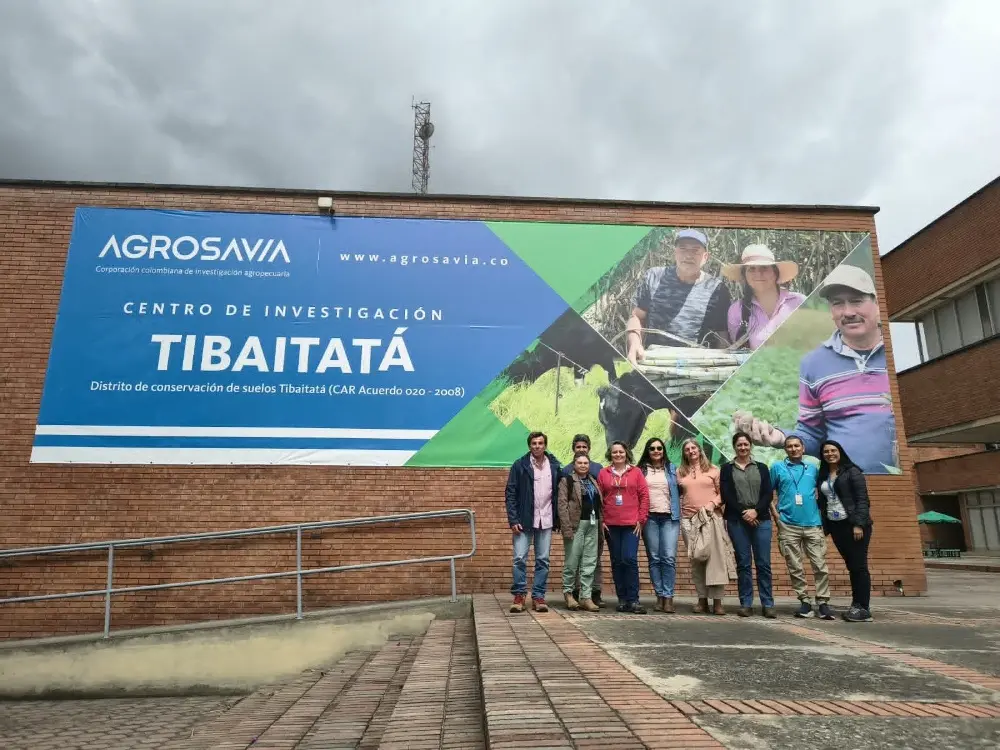
Mosquera, Cundinamarca. September 14, 2026. Reducing the methane generated by cattle production without compromising animal performance is the challenge bringing together researchers from Argentina and Colombia. To advance toward this goal, the teams conducted a technical mission at AGROSAVIA’s Tibaitatá and Turipaná Research and Technology Transfer Centers (CITs), where they reviewed monitoring systems and observed how the innovations performed under field conditions.
The mission was carried out as part of the international FONTAGRO project Innovations to Reduce Methane Emissions in Ruminants, led from the El Nus CIT. The initiative seeks to reduce emission intensity by 10%—that is, the amount of methane associated with production—and increase cattle’s average daily weight gain by up to 10%.
Researchers from AGROSAVIA’s Tibaitatá, El Nus, Turipaná, and Nataima Research and Technology Transfer Centers are participating, along with the National Institute of Agricultural Technology (INTA, for its Spanish acronym) and the Universidad Nacional de Córdoba (UNC) in Argentina, and the Universidad de los Andes in Colombia.
FONTAGRO funds the project, and the Government of New Zealand supports it as part of its contribution to the Global Research Alliance on Agricultural Greenhouse Gases (GRA).
Measuring methane to guide decision-making
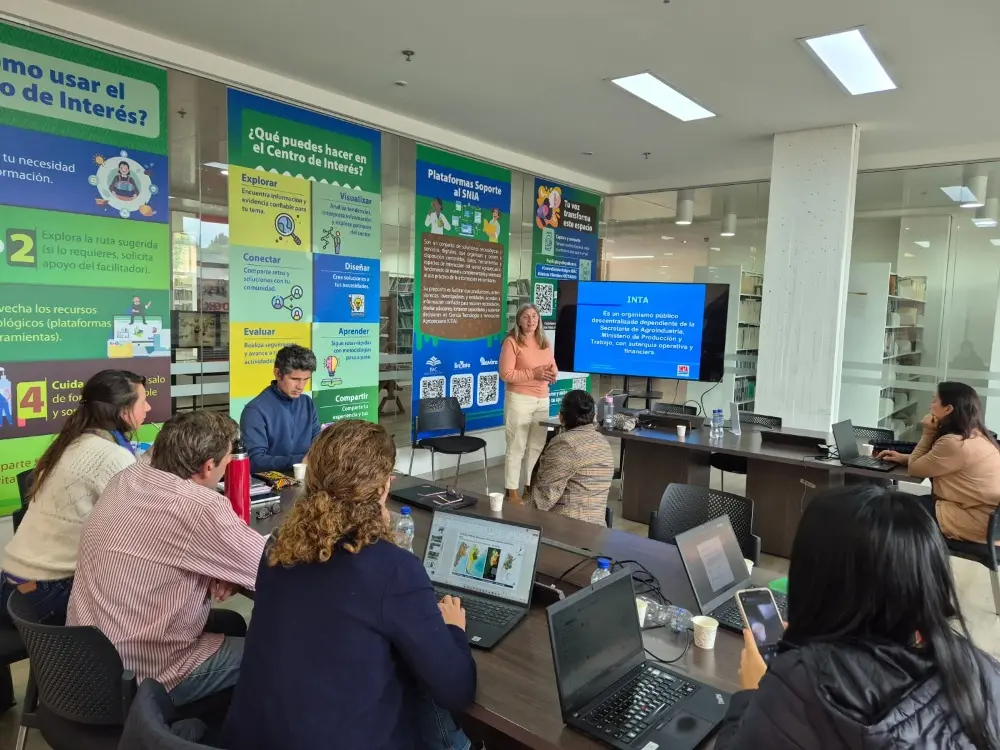
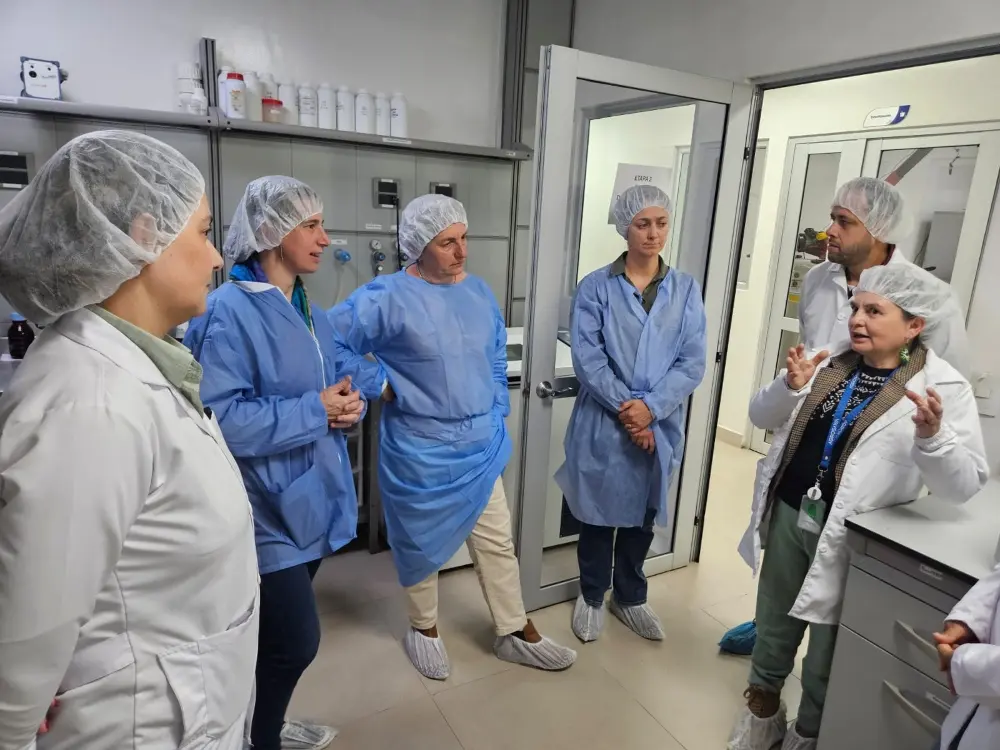
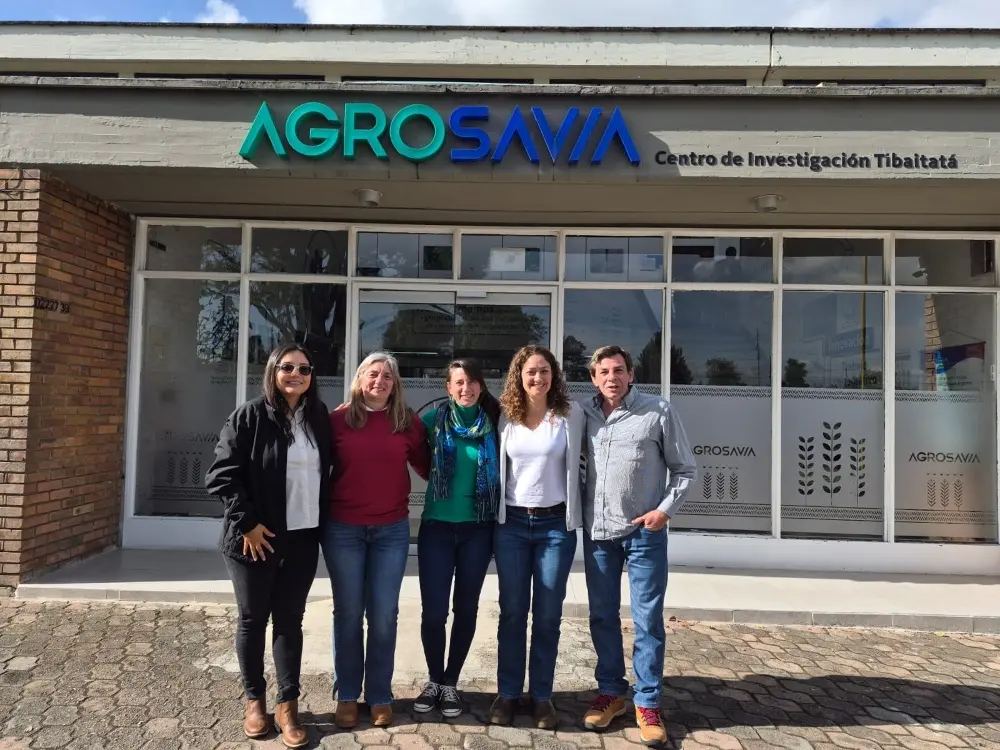
The first stage of the mission took place at the Tibaitatá CIT in Mosquera, Cundinamarca. There, researchers from the partner institutions and the El Nus and Nataima CITs worked with the Universidad de los Andes team on engineering and monitoring components.
This work is essential to obtain reliable measurements, compare the performance of the alternatives being evaluated, and determine whether they can reduce emissions without affecting the productivity of cattle production systems.
The exchange also brought together experiences from different livestock production conditions. This diversity will make it possible to assess the technologies beyond a single environment and identify the adjustments required for their implementation in each region.
Innovations move into field conditions
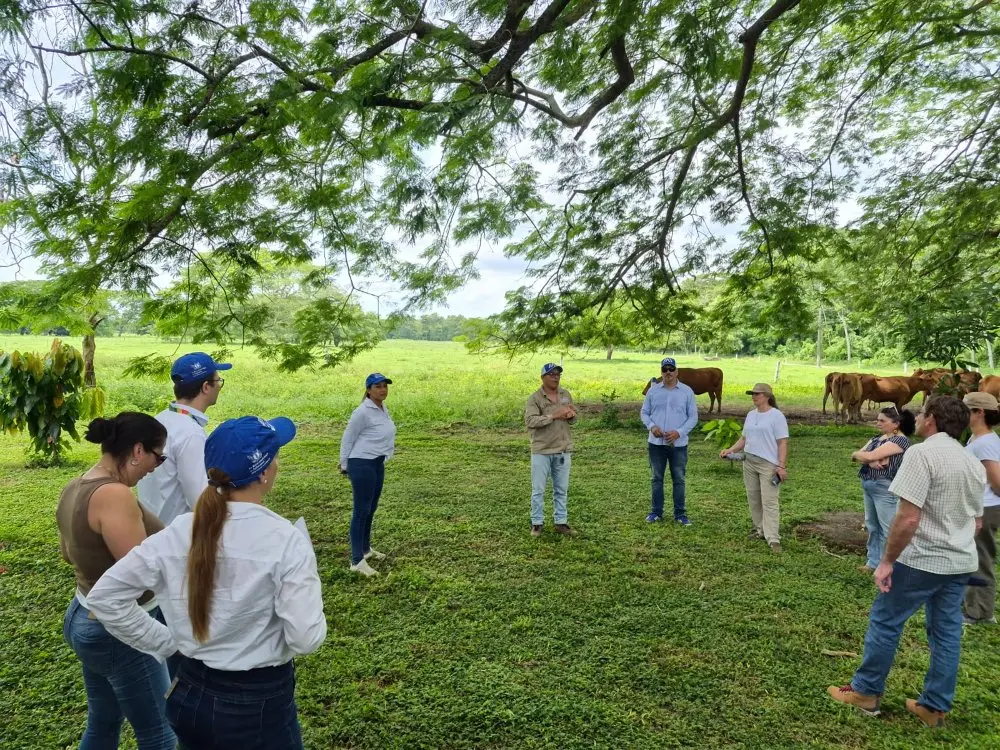
The second stage took place at the Turipaná CIT in Córdoba, a research center specializing in cattle production in the lowland tropics. The delegations visited experimental trials, germplasm banks, and silvopastoral systems to assess the innovations’ performance in the field.
Researchers from the El Nus and Nataima CITs also participated in the evaluation, allowing them to compare results and discuss potential applications in production systems with different environmental conditions and management models.
The mission linked the design of measurement instruments and protocols with observations of animals, pastures, and silvopastoral systems. In this way, the project seeks to ensure that the alternatives being evaluated address both the need to reduce emissions and producers’ interest in improving animal performance.
Research with regional reach
The work carried out by AGROSAVIA, INTA, the Universidad Nacional de Córdoba, and the Universidad de los Andes brings together expertise in animal production, nutrition, engineering, and gas measurement. FONTAGRO and the Government of New Zealand support this scientific cooperation between the two countries.
The project’s results will reach more than 2,000 livestock producers, technicians, and academics in Colombia and Argentina. The challenge will be to turn measurements and field trials into applicable recommendations that help produce meat and milk with less methane per unit of product, while animals maintain or improve their average daily weight gain.
- More information here:
- María Elena Londoño Rubio
- Communications, Identity and Corporate Relations Professional
- Center for Research and Technology Transfer Tibaitatá
- Communications, Identity and Corporate Relations Advisory Office
- melondono@agrosavia.co
- AGROSAVIA